
TL;DR
Staying hydrated and choosing the right foods before and during your flight can prevent discomfort and fatigue. Prioritize water, light meals, and snacks that support digestion and energy, while avoiding excess caffeine and alcohol.
Long flights aren’t just about enduring hours in a cramped seat; they’re about managing your body’s reactions to altitude, dry air, and irregular eating schedules. Your choices before and during your flight can make a world of difference in how you feel afterward.
Imagine landing without the usual fatigue, bloating, or dehydration — it’s possible with a few simple, practical steps. This guide breaks down what to eat and drink that keeps you energized, comfortable, and ready to hit the ground running.
Hydrate heavily with water and electrolyte drinks before and during the flight.
Eat a balanced, slow-digesting meal before boarding to stabilize energy and prevent mid-flight hunger.
Choose snacks wisely — opt for nuts, dried fruits, and whole grains, avoiding salty or greasy options.
Avoid alcohol, caffeine, and carbonated drinks to prevent dehydration and bloating.
Plan ahead for dietary restrictions by bringing your own snacks and communicating with airlines.
Hydration is Your Best Friend — Here’s How to Drink Smart
Airplane cabins have some of the driest air on Earth — around 10-20% humidity. This environment can cause your body to lose water rapidly, leading to dehydration, dry skin, and even headaches, which can all diminish your travel experience. Drinking plenty of water before and during the flight acts as a safeguard against these effects, helping to keep your mucous membranes moist and your body functioning optimally. It’s not just about quenching thirst; proper hydration supports circulation, keeps your energy levels stable, and aids in the removal of toxins accumulated during travel.
Skip excessive caffeine and alcohol — they’re diuretics that speed up fluid loss, exacerbating dehydration and possibly leading to headaches or dizziness. Instead, carry a reusable water bottle and sip regularly, aiming for at least 8 ounces every hour — this steady approach ensures your body maintains a healthy fluid balance and can better adapt to altitude changes. Electrolyte tablets or powders can boost hydration, especially on long flights. Just dropping one into your water bottle can help replenish lost salts and minerals, which are essential for nerve function and muscle performance, reducing cramping and fatigue. This balanced hydration strategy is crucial for maintaining your energy and comfort throughout the journey.

TakeToday Collapsible Water Bottles 21oz (600mL), Foldable Platinum Silicone Travel Water Bottle with Straw & Carry Strap, Leak-Resistant Screw Lid, Wide Mouth, BPA-Free for Hiking, Flights
[Foldable and Compact] Our silicone collapsible water bottle makes use of the advantages of the material's softness and…
As an affiliate, we earn on qualifying purchases.
As an affiliate, we earn on qualifying purchases.
What to Eat Before You Board to Stay Energized and Calm
Choosing the right meal before a long flight isn’t just about avoiding hunger — it’s about setting your body up for sustained comfort and stable energy levels. Foods rich in complex carbohydrates, lean proteins, and healthy fats digest slowly, providing a steady release of energy and helping to regulate blood sugar. This is important because stable blood sugar prevents the mid-flight energy dips that can leave you feeling sluggish, irritable, or anxious. When your blood sugar levels are balanced, your body can maintain better focus and mood, reducing stress and discomfort. For example, oatmeal topped with nuts and berries supplies fiber, healthy fats, and antioxidants, supporting digestion and immune health — all of which contribute to a more resilient, less reactive body during travel. Whole-grain toast with avocado and eggs offers a balance of slow carbs, healthy fats, and proteins, which can help you feel full without heaviness or bloating, thus minimizing the risk of stomach discomfort that can worsen with altitude. These foods encourage a calm, stable mood and reduce the likelihood of gastrointestinal issues during the flight, which can be triggered by irregular eating patterns or processed foods.
Eating at least an hour before boarding allows your digestive system time to process and start working, reducing the chances of discomfort or nausea in cramped conditions. Avoid overeating or high-sugar foods that can cause rapid spikes and crashes in blood sugar, leading to fatigue, irritability, and energy slumps. Instead, opt for nutrient-dense, moderate portions that provide sustained energy and support your body’s resilience. This mindful approach to pre-flight nutrition not only helps you arrive feeling more refreshed but also minimizes stress on your digestive system, which is especially important during long periods of sitting and limited movement. The implications are clear: well-chosen, balanced meals before travel can significantly enhance your comfort and overall well-being during and after the flight.
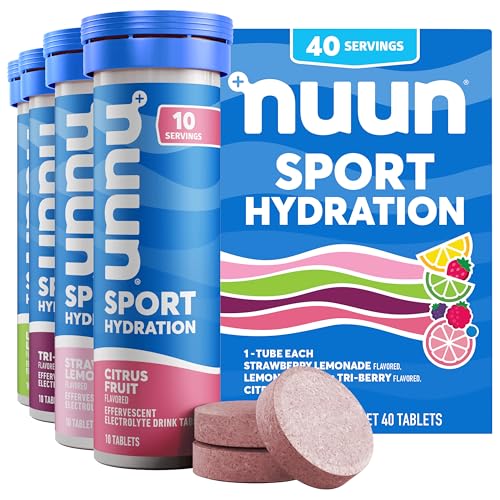
Nuun Sport Electrolyte Tablets, Gluten Free & Vegan, Mixed Flavor, 4 Pack (40 Servings Total)
HYDRATION MADE FOR YOUR ACTIVE LIFE: Nuun Sport electrolyte tablets offer a perfect sports drink for daily use,…
As an affiliate, we earn on qualifying purchases.
As an affiliate, we earn on qualifying purchases.
Smart Snacks for During the Flight — Keep Energy Up Without Bloating
Selecting the right snacks during a flight is about balancing convenience, digestibility, and sustained energy. Portable, non-perishable options like nuts, seeds, dried fruit, and granola bars contain healthy fats, fiber, and natural sugars that provide a slow, steady energy release, helping you avoid the sugar crashes associated with processed snacks. These nutrient-dense choices also help stabilize blood sugar levels, preventing the spikes and drops that can lead to fatigue and irritability. For instance, a handful of almonds and dried apricots offers a combination of protein, healthy fats, and natural sugars that can keep hunger at bay and sustain your alertness. These choices also tend to be less salty and greasy, reducing the risk of water retention and bloating — common discomforts during flights that can impair circulation and cause swelling. Packing snacks in resealable bags allows for small, frequent bites, which are easier to digest and help prevent overeating in confined spaces. This strategy helps maintain your energy levels and comfort, making the flight feel less taxing.
Furthermore, choosing snacks that are low in salt and additives supports your body’s natural hydration process and minimizes swelling. Whole, minimally processed foods tend to be easier on your digestive system and help you avoid the sluggishness and discomfort that processed foods can cause, especially when combined with altitude and cabin pressure. Incorporating these mindful snack choices during your flight not only sustains your energy but also promotes a quicker recovery upon landing, ensuring you feel more refreshed and ready for your destination.

Sahale Snacks Glazed Mix Nut Blend Variety Pack, 1.5 Oz Grab & Go Bags (12 Total Packs) – Four Different Dry-Roasted Deluxe Mixed Nuts Blends Included – Non-GMO Kosher & Certified Gluten-Free Snacks
SAHALE SNACKS GLAZED MIXES – Our gourmet snacks are exceptional combinations of premium, dry-roasted, lightly glazed nuts, dried…
As an affiliate, we earn on qualifying purchases.
As an affiliate, we earn on qualifying purchases.
Avoid These Foods and Drinks That Make Your Flight Worse
Greasy, spicy, or salty foods can upset your stomach and cause bloating, especially at high altitudes where digestion slows down and your body is more prone to discomfort. These foods often contain ingredients that can trigger indigestion or acid reflux, which are exacerbated in the dry, pressurized environment of an airplane cabin. They can also lead to water retention, making your face, hands, and feet swell, which not only causes physical discomfort but can also impair circulation, leading to feelings of sluggishness or even dizziness. Carbonated drinks and alcohol are notorious for bloating and dehydration; they introduce gas into your digestive system and increase fluid loss, respectively. The gas causes distension and discomfort, while alcohol acts as a diuretic, further dehydrating your body and impairing your recovery. Think twice before reaching for that soda or heavy fast-food burger before flying, as they can exacerbate these issues. Instead, opt for light, bland foods that are easy to digest, such as plain rice, bananas, or toast, to minimize your risk of gastrointestinal discomfort. These choices help your body conserve energy and reduce the likelihood of feeling unwell during the flight, especially when combined with altitude-induced sluggishness.
Replacing these with plain water or herbal teas, like ginger or chamomile, can soothe your stomach and promote relaxation. Ginger tea, for example, contains natural compounds that can reduce nausea and improve digestion, which is particularly helpful during flights. Chamomile has calming properties that can help you relax and sleep better. Remember, a heavy meal combined with altitude pressure can lead to sluggishness, discomfort, and even nausea, which can ruin your travel experience. Making mindful choices here is essential for maintaining comfort and preventing avoidable health issues during your flight, ultimately helping you arrive at your destination more refreshed and ready to enjoy your trip.
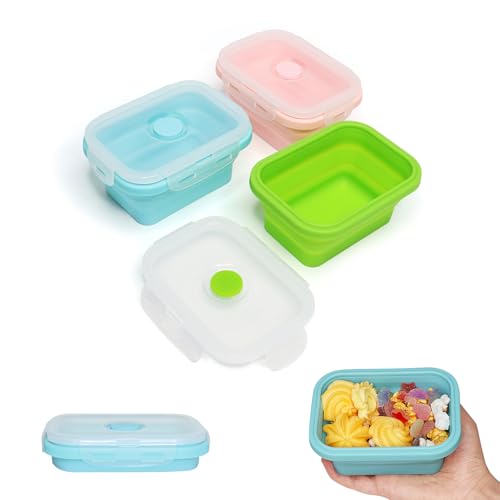
Alimat PluS 11.8oz Small Silicone Collapsible Food Storage Containers With Lids, 3 Pack Set 350ml Collapsible Food Storage Containers with Lids, Travel Food Containers for Outdoor and Kitchen
Food Storage Set: You will receive 3 small silicone food storage containers in different colors, pink, blue and…
As an affiliate, we earn on qualifying purchases.
As an affiliate, we earn on qualifying purchases.
How to Time Your Eating for Less Bloating and More Comfort
- Eat a balanced, hearty meal at least an hour before boarding. This allows your body to begin digesting, reducing the likelihood of stomach discomfort or nausea during the flight. Proper timing helps prevent the feeling of fullness that can cause bloating and sluggishness at altitude. Eating too close to departure might mean your stomach is still working when you need to relax or sleep, leading to discomfort or indigestion.
- Bring light, easily digestible snacks to eat during the flight — small portions every couple of hours can help maintain your energy without overloading your digestive system. This approach minimizes the risk of gas buildup and bloating, especially in confined spaces with limited movement. Spreading out your intake prevents your digestive system from working too hard at once and helps keep your blood sugar stable, reducing fatigue and irritability.
- Limit caffeine and alcohol during the flight — they can dehydrate your body and cause blood vessels to constrict, leading to swelling and discomfort. Instead, focus on sipping water or herbal teas to stay hydrated and promote relaxation. Proper hydration during this period is crucial because dehydration can compound the effects of altitude and cabin dryness, intensifying discomfort and fatigue.
- After landing, rehydrate thoroughly and eat a nutritious meal to help your body recover from the flight’s stresses. This step supports digestion, replenishes lost nutrients, and prepares you for the next phase of your journey. Timely rehydration and nourishing food can also help reset your internal clock, easing any jet lag symptoms and promoting quicker recovery.
What to Do if You Have Special Dietary Needs or Restrictions
If you have allergies, diabetes, or specific dietary preferences, planning ahead can significantly reduce stress and ensure you maintain your health routines while traveling. Bringing your own snacks that meet your needs allows you to avoid hidden ingredients and questionable food sources. Notifying airlines about special meal requests in advance maximizes the chances of receiving suitable options, but carrying backup snacks provides extra security. For example, a vegetarian traveler might pack trail mix and fruit, and request vegetarian meals when possible. Always double-check ingredients to avoid surprises that could cause allergic reactions or digestion issues.
Being prepared with familiar foods and clear communication helps you stick to your dietary routine, minimizes the risk of discomfort, and allows you to enjoy your journey without unnecessary worry. This proactive approach ensures you stay nourished and comfortable, no matter your dietary restrictions.
Frequently Asked Questions
How much water should I drink during a flight?
Aim for at least 8 ounces of water every hour during your flight. Carry a refillable bottle and sip regularly to combat dry cabin air and stay hydrated.Are there specific foods that help prevent jet lag?
Foods rich in vitamins C and D, probiotics, and antioxidants support immunity and gut health, which can indirectly ease jet lag symptoms. Incorporate fruits, yogurt, and fermented foods when possible.Can I bring my own snacks on the plane?
Yes, as long as they follow security rules. Pack sealed, non-perishable snacks like nuts, dried fruits, or granola bars for convenience and control over your diet.What drinks should I avoid during the flight?
Avoid alcohol, caffeine, and carbonated beverages — they can dehydrate you and cause bloating. Stick to water or herbal teas instead.How can I reduce bloating during the flight?
Hydrate well, avoid carbonated drinks, and get up and move around periodically. Simple leg stretches or walking the aisle helps circulation and prevents swelling.Conclusion
Long flights don’t have to drain your energy or ruin your comfort. Focus on hydration, light nutritious foods, and smart snacking to arrive feeling better. Your body responds quickly to what you put in — make it count.
Next time you fly, picture yourself sipping water, nibbling on healthy snacks, and landing ready to conquer. Small, deliberate choices transform a long haul into a manageable journey — because your comfort starts with what’s on your plate.