TL;DR

Get travel and outdoor gear delivered free with Prime
- Fast, free delivery on millions of items
- Prime Video, Amazon Music and more included
- Member-only deals all year
Flight discomforts like airplane ear, dry air, and swollen feet are common but manageable. This guide offers practical tips, from pressure-equalizing tricks to hydration hacks, making your journey smoother and less stressful.
Long flights often come with surprises. Your ears might pop painfully, your skin feels parched, and your feet swell into uncomfortable balloons. These are more than just minor annoyances — they’re signs your body is reacting to the unique environment of the aircraft.
Knowing how to fix or prevent these issues can turn a harrowing journey into a manageable experience. This guide breaks down the common discomforts and shares practical, real-world tips to keep you feeling fresh and pain-free up in the air.
Use simple pressure-equalizing tricks like swallowing and yawning during descent to prevent airplane ear pain.
Drink at least 8 oz of water per hour, avoid alcohol and caffeine, to combat dry cabin air and dehydration.
Wear graduated compression socks and move regularly to prevent swollen feet and reduce DVT risk.
Adjust your sleep schedule, hydrate, and stretch to beat jet lag and other circadian disruptions.
Recognize warning signs of blood clots: one-sided leg swelling, pain, warmth, redness — seek immediate medical attention.
Cabin comfort field guide
Airplane Ear, Dry Air & Swollen Feet
Pressure shifts, ultra-low humidity and hours of immobility can make flying surprisingly hard on the body. Most discomfort is manageable: equalize gently, hydrate regularly and keep your lower legs moving.
01 / Pressure
Pop your ears quickly—and gently
During ascent and especially descent, the Eustachian tubes may not equalize middle-ear pressure fast enough. Fullness, muffled hearing and pain are common; forceful pressure maneuvers are not the answer.
First line
Swallow or yawn
Activate the muscles that open the Eustachian tubes. Repeat often during descent rather than waiting for pain.
Keep working
Chew or suck
Gum, hard candy, feeding or a pacifier encourages repeated swallowing. This is especially useful for children and infants.
Controlled
Gentle Valsalva
Pinch the nose, close the mouth and exhale softly. Stop if it hurts; excessive force can injure delicate ear structures.
Alternative
Try Toynbee
Pinch the nose and swallow. This combines throat movement with a pressure change without forceful blowing.
Slow the shift
Filtered earplugs
Pressure-regulating earplugs slow the rate of change, giving the ears more time to adapt during takeoff and landing.
Timing
Stay awake
Being awake during descent lets you swallow, yawn and respond before pressure becomes painful.
Flying congested raises the risk. Colds, sinus infections and allergies can block pressure equalization. Ask a clinician or pharmacist whether a decongestant is appropriate; rebound congestion can follow prolonged nasal-spray use.
02 / Dryness
Protect moisture from the inside out
Low cabin humidity dries the eyes, lips, skin and nasal passages. Mild under-drinking may add fatigue and headache, but perceived dryness—not extreme dehydration—is usually the dominant problem.
How dry is the cabin?
Typical relative humidity, shown against familiar environments.
Why it matters: dry mucous membranes feel irritated and mucus thickens, reducing the nose’s normal filtering function.
Practical target
Sip steadily, not all at once
- +Carry or refill a bottle after security and drink regularly.
- +Use saline spray, lubricating eye drops, moisturizer and lip balm.
- −Limit alcohol and excess caffeine; consider glasses instead of contacts.
03 / Circulation
Turn your calves into pumps
Bent knees, gravity and long periods of stillness reduce venous return. Blood and fluid pool in the lower legs, causing tight shoes and swollen ankles—and slightly increasing clot risk on longer journeys.
Bent knees and immobility slow lower-leg blood flow.
Gravity keeps more fluid in feet and ankles.
Foot flexes and calf raises squeeze deep veins.
Movement helps push blood back toward the heart.
Move every 30–60 minutes throughout the flight.
| Strategy | Swelling | Circulation | Use |
|---|---|---|---|
| Ankle circles + foot pumps | ✓ Helpful | ✓ Active | Every 30–60 min |
| Aisle walk | ✓ Helpful | ✓ Strong | When safe |
| 15–30 mmHg compression | ✓ Helpful | ✓ Supported | Long haul |
| Crossed legs | ✗ Worse | ✗ Restricts | Avoid |
| Routine aspirin | ~ Not a fix | ✗ Not advised | Only if prescribed |
Loose clothing, hydration and elevating the feet when practical can add comfort.
Healthy traveler estimate
1–3 per 10,000
Approximate absolute DVT risk after long-haul travel.
Risk rises with longer flights, recent surgery, pregnancy, estrogen therapy, cancer, obesity, previous clots and some inherited clotting conditions. High-risk travelers should seek individualized medical advice before flying.
04 / Beyond the big three
Quick fixes for the rest of the cabin
Timing light, reducing gas-producing inputs and building movement into the trip can ease several other common discomforts without adding complexity to your travel day.
Circadian
Jet lag
Shift sleep gradually before departure, use destination-timed daylight and keep naps short. Eastward travel is often harder than westward travel.
Light timing mattersPressure
Bloating
Cabin pressure makes intestinal gases expand. Avoid carbonated drinks and gas-forming foods, then walk and stretch gently.
Gas volume +25–30%Posture
Back & neck pain
Use a rolled sweater for lumbar support, keep feet supported and change position regularly instead of chasing one “perfect” posture.
Movement beats rigidityStability
Motion sickness
Choose a seat near the wings, look toward a stable horizon, keep air flowing and avoid heavy meals before turbulent flights.
Less motion over wingsThe comfort chain: small actions, repeated early
Swallow and yawn before pressure becomes painful.
Sip water steadily and replace surface moisture.
Flex ankles, contract calves and walk periodically.
Use properly fitted graduated socks when appropriate.
Use destination-timed light, sleep and movement.
How to Pop Your Ears Quickly and Safely
Airplane ear is caused by rapid pressure changes that block your middle ear. The importance of managing this discomfort lies in preventing pain, temporary hearing loss, and even more serious issues like ear barotrauma, which can cause damage to the eardrum. When pressure isn’t equalized properly, it can lead to a sensation of fullness, muffled hearing, or pain that may last hours or days if untreated.
For example, during descent, the rapid drop in cabin pressure can cause a significant imbalance. Techniques like swallowing or yawning are effective because they activate the muscles that open the Eustachian tubes, allowing pressure to equalize. The Valsalva maneuver, if done gently, helps force air through these tubes, but excessive force can damage delicate structures. Using filtered pressure-regulating earplugs like EarPlanes slows the pressure change, giving your ears time to adapt gradually, which significantly reduces discomfort and the risk of injury.
Understanding why these methods work and their safe application makes a difference—preventing painful ear blocks and avoiding unnecessary medical interventions. Safe practices involve gentle, controlled movements, and knowing when to seek medical advice if discomfort persists beyond the flight.
graduated compression stockings for travel
As an affiliate, we earn on qualifying purchases.
As an affiliate, we earn on qualifying purchases.
Beat the Dry Cabin Air — Stay Hydrated and Protect Your Skin
The cabin’s dry air, often just 10–20% humidity, creates an environment that accelerates dehydration, impacting more than just your comfort — it can impair your immune response, cause fatigue, and slow recovery from jet lag. When your mucous membranes dry out, nasal passages become less effective at filtering pathogens, and eyes may become irritated, increasing your risk of infection. The skin loses elasticity and moisture, leading to cracking and discomfort.
During a typical 10-hour flight, the body can lose 1 to 2 liters of water, especially if hydration is neglected. This dehydration can make you feel sluggish, give you headaches, and worsen jet lag symptoms. For instance, I once arrived with severe dry lips and a sore throat after a long flight, simply because I underestimated my hydration needs.
Addressing this involves more than just drinking water—it’s about maintaining the body’s moisture balance to support overall health and comfort. Regular hydration helps thin mucus, supports circulation, and aids in detoxification. Using saline nasal sprays and eye drops replenishes mucous membranes directly, preventing dryness-related infections. Applying moisturizer and lip balm before and during the flight creates a barrier that retains skin moisture, reducing cracking and irritation. These measures collectively improve your resilience against the dehydrating effects of dry cabin air and help you arrive feeling more refreshed and less fatigued.
airplane ear pressure relief tools
As an affiliate, we earn on qualifying purchases.
As an affiliate, we earn on qualifying purchases.
How to Prevent and Manage Swollen Feet on Long Flights
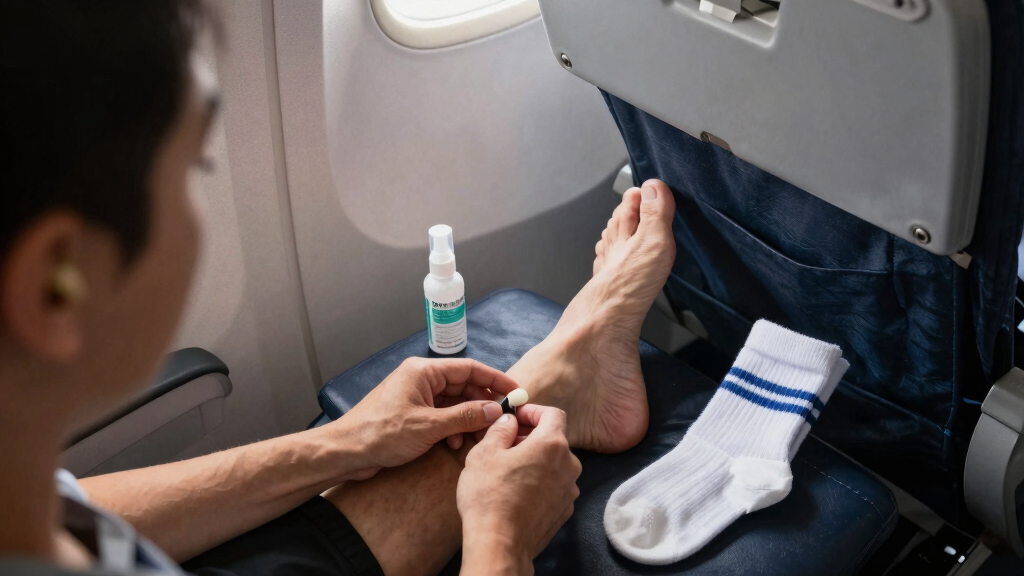
Swollen feet and ankles, or dependent edema, are not just uncomfortable—they can be warning signs of circulatory issues that, if ignored, may develop into more serious conditions like deep vein thrombosis (DVT). Sitting for long periods causes blood to pool in the lower limbs due to gravity and reduced muscle activity, which impairs venous return. The added cabin pressure can constrict blood vessels further, exacerbating swelling and increasing clot risk. If left unaddressed, this can lead to pain, skin changes, and in severe cases, life-threatening clots.
For example, after a 12-hour flight, I noticed my ankles had doubled in size, and my shoes felt tight. Recognizing that prolonged immobility was a factor, I incorporated simple exercises like calf raises and ankle circles every 30 minutes. These movements activate the calf muscles, acting as natural pumps to push blood back towards the heart. Wearing graduated compression socks (15–30 mmHg) enhances this effect by providing external pressure that supports venous return and reduces swelling. Staying well-hydrated prevents blood from thickening, which can slow circulation, while avoiding crossing legs minimizes additional pressure on veins. Elevating your feet on a footrest or bag when seated helps reduce hydrostatic pressure in the lower limbs, easing swelling and discomfort. These strategies, combined, significantly improve circulation and comfort during long flights, and choosing the right compression level can optimize benefits without sacrificing comfort.
As an affiliate, we earn on qualifying purchases.
When to Worry About Blood Clots and Swelling
Deep vein thrombosis (DVT) is a rare but serious condition that can develop during or after long flights, especially in individuals with risk factors such as recent surgery, pregnancy, cancer, or previous clotting episodes. Recognizing early signs—pain, swelling, warmth, and redness—can be lifesaving, as untreated clots may dislodge and cause pulmonary embolism, a potentially fatal complication. For instance, I once noticed my calf was significantly enlarged and tender after a lengthy flight. Prompt medical consultation led to diagnosis and treatment, preventing more serious consequences.
Understanding these warning signs empowers travelers to seek timely care. Using compression stockings and moving frequently during flights are proven strategies to mitigate risk. For high-risk individuals, consulting a healthcare professional before travel to develop a personalized prevention plan is advisable. If sudden chest pain, shortness of breath, or fainting occurs, immediate emergency medical attention is critical, as these are signs of a pulmonary embolism. Early detection and intervention are essential to prevent severe health outcomes.
As an affiliate, we earn on qualifying purchases.
Quick Fixes for Other Common Flight Discomforts
Aside from ears, dryness, and swelling, many travelers face jet lag, bloating, and back pain. Addressing these issues effectively involves understanding their causes and applying targeted strategies. Jet lag results from circadian rhythm disruption; adjusting sleep schedules before departure and exposing yourself to natural light at appropriate times can help reset your internal clock more rapidly, reducing fatigue and improving alertness upon arrival. Bloating and gas are often due to swallowed air or gas-producing foods; avoiding carbonated drinks and gas-forming foods like beans or cabbage before and during the flight minimizes this problem. Standing, stretching, and doing gentle abdominal exercises during the flight facilitate gas movement and relieve discomfort. Back and neck pain stem from poor ergonomics and prolonged static postures; using a rolled sweater as lumbar support, changing positions frequently, and stretching every hour can prevent stiffness and soreness. Motion sickness can be mitigated by selecting aisle seats, using cold air vents for airflow, and trying natural remedies like ginger candies or OTC medications such as dimenhydrinate. For example, I adjusted my sleep pattern two days before a long-haul flight to Tokyo, which helped me arrive feeling refreshed and free of jet lag, demonstrating the importance of proactive planning for comfort.
Frequently Asked Questions
How do I pop my ears on a plane — and what do I do if they won’t pop?
Start by swallowing or yawning during takeoff and landing. If those don’t work, try the Valsalva maneuver carefully. If ears remain blocked for hours or days after landing, consult a doctor to rule out damage or infection.
Is it safe to fly with a cold, sinus infection, or ear infection?
Flying with a cold or sinus infection can worsen symptoms or cause pain. Using decongestants and pressure-equalizing techniques helps. If you have a severe ear infection or recent surgery, check with your doctor before flying.
How much water should I actually drink on a flight? Do alcohol and coffee really dehydrate me?
Aim for about 8 oz of water per hour of flight. Alcohol and caffeine have mild diuretic effects and can contribute to dehydration, so limit intake and focus on hydration instead.
Why do my feet swell when I fly, and when should I worry about a blood clot?
Feet swell due to prolonged sitting, gravity, and impaired blood flow. If swelling is one-sided, painful, warm, or red, seek medical attention — it might be a blood clot requiring prompt care.
Do compression socks really work, and what strength should I buy?
Yes, graduated compression socks (15–30 mmHg) can reduce swelling and DVT risk. Choose the right level based on your needs and consult a healthcare professional if unsure.
Conclusion
Most flight discomforts aren’t inevitable — they’re signals your body reacts to the unique conditions of travel. By understanding and applying simple fixes, you can turn a cramped, dry, and swollen experience into a smoother journey.
Next time you fly, remember these practical tips. Your body will thank you, and your trip will start on a better note, no matter how long the flight lasts.
Evergreen bestsellers Picks
bestsellers
As an affiliate, we earn on qualifying purchases.