

TL;DR
Listen free for 30 days with Audible
Thousands of audiobooks and originals — cancel anytime.
Start your free trialAs an affiliate, we earn on qualifying purchases.
Jet lag usually lasts about one day per time zone crossed. Eastward travel often extends recovery, but strategies like light therapy and melatonin can speed up adjustment. Your route and individual factors shape the timeline.
Ever landed after a long flight and felt like your body was still stuck in another time zone? That’s jet lag — a confusing, often annoying disruption to your sleep and alertness. But how long does it actually stick around? And does it depend on where you’re coming from or going?
In this guide, you’ll find out exactly what influences jet lag duration, how your route affects recovery, and what tricks can help you bounce back faster. Whether you’re a business traveler crossing continents or a vacationer chasing the sun, understanding these timelines can make your trips smoother and less draining.
Expect about one day of recovery for each time zone crossed, but individual factors can speed or slow this process.
Eastward travel typically causes longer jet lag because it requires your body to make a phase advance.
Using light therapy and melatonin at the right times can significantly shorten recovery time.
Planning your sleep and light exposure before and during travel helps your body adapt faster.
Older travelers may need more time — up to a week or more — to fully recover after crossing many zones.
How Long Does Jet Lag Last?
Your body clock cannot teleport. Recovery usually takes about one day per time zone crossed, with eastward routes, age, sleep debt, and poor timing often extending the adjustment.
A useful planning estimate, not a fixed biological deadline.
Advancing the body clock is usually tougher than delaying it.
Strategic light, sleep planning, and well-timed melatonin can help.
Recovery by route length
The number of time zones crossed gives the clearest first estimate. Direction and personal biology then move the timeline shorter or longer.
Small shift
1–2 days 1–3 time zonesMild sleepiness or early waking is common. Many travelers adjust within a weekend.
Noticeable reset
3–5 days 4–6 time zonesExpect several days of mistimed sleep, appetite, alertness, and concentration.
Full clock shift
Up to 7+ 7 or more zonesA week or longer is plausible, especially after an eastward trip or with accumulated fatigue.
What different journeys feel like
These are practical planning ranges. The same route can feel very different depending on direction, departure timing, sleep quality, and chronotype.
| Route type | Zones crossed | Typical recovery | Direction effect | Likely impact |
|---|---|---|---|---|
| Short-haul | 1–3 | 1–2 days | Either direction | ✓ Usually mild |
| Medium-haul | 4–6 | 3–5 days | West easier; east longer | ~ Plan recovery |
| Long-haul | 7+ | Up to a week or more | Eastward often more severe | ✗ High disruption |
| New York → Paris | 6 | About 4–6 days | Eastward advance | ✗ Tougher shift |
| London → New York | 5 | About 3–5 days | Westward delay | ✓ Often easier |
| Los Angeles → Tokyo | 9 | About 7+ days | Large clock change | ~ Individual variance |
Planning estimate: allow extra recovery time before important meetings, driving, or demanding physical activity.
East is usually harder than west
Eastward travel asks the circadian system to shorten its day and move sleep earlier. Westward travel extends the day, a shift many bodies tolerate more easily.
Earlier than your clock expects
You must fall asleep and wake up earlier. The result is often stronger insomnia, morning fatigue, and a longer reset.
Later fits the natural drift
You stay awake and sleep later. Extending the biological day is generally easier, though long routes still produce symptoms.
Your destination clock changes instantly, but sleep, alertness, appetite, hormones, and body temperature need repeated environmental signals to realign.
Nudge the clock into sync
The strongest approach combines preparation, destination-time behavior, strategic light, and consistent sleep rather than relying on one isolated trick.
Shift before departure
Move sleep gradually toward destination time, especially before a major eastward trip.
Adopt local time
Set meals, activity, and sleep around the new schedule as early as practical.
Time your light
Use destination morning or evening light according to the direction of the needed shift.
Repeat consistently
Stable wake time and repeated cues help the circadian system complete the reset.
Four levers that can help
Timing matters as much as the intervention. Light or melatonin used at the wrong circadian time may shift the clock in an unhelpful direction.
Strategic light exposure
Natural or artificial light can advance or delay the body clock depending on when it is used.
Well-timed melatonin
Often used near local bedtime, but dose, timing, interactions, and product quality deserve care.
Gradual sleep adjustment
Moving bedtime in small increments can reduce the size of the clock shift after arrival.
Hydration and movement
These do not reset the clock directly, but they can reduce the fatigue layered on top of jet lag.
Limit alcohol and caffeine
Alcohol fragments sleep; late caffeine can make destination-time sleep more difficult.
Apps and wearables
Personalized tools can schedule light, darkness, sleep, and meals around a specific itinerary.
Medication note: Discuss melatonin, prescription sleep aids, or other treatments with a qualified clinician—particularly if you take medication, have a health condition, are pregnant, or must perform safety-critical work.
Why your timeline may differ
The “one day per zone” rule is a starting point. Your recovery is the combined result of route pressure, biological flexibility, sleep quality, and behavior.
Build in recovery time
Arrive early when performance matters, then reinforce destination time with consistent environmental cues.
Then adjust upward for eastward travel, older age, poor sleep, illness, stress, or a very long route—and downward when preparation and light timing work well.
What’s the real timeline for jet lag after crossing multiple time zones?
Jet lag lasts roughly one day per time zone crossed, but that’s just a starting point. For example, after crossing three zones, you might feel out of sync for about three days. But it’s not a strict rule — individual factors matter big time.
Imagine flying from New York to Paris — six time zones. You might take around six days to fully adapt, but some people recover faster or slower based on age, sleep habits, and overall health.
Recent research and traveler reports agree—your body needs about as many days as you’ve crossed zones to reset its internal clock. Yet, some get back on track faster thanks to smart strategies.
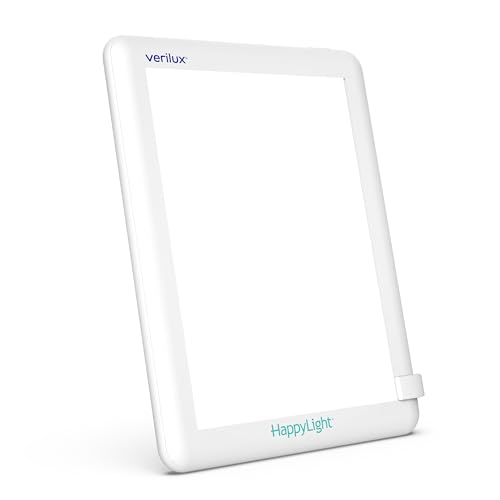
Verilux HappyLight Lucent – One-Touch Light Therapy Lamp with 10,000 Lux, UV-Free, LED Bright White Light & Detachable Stand for Boosting Mood & Improving Sleep
- One-Button Operation: Easy to use light therapy lamp
- High Lux Brightness: Provides up to 10,000 lux of UV-free light
- Full-Spectrum Light: Delivers natural, flicker-free, glare-free light
As an affiliate, we earn on qualifying purchases.
As an affiliate, we earn on qualifying purchases.
Why does eastward travel drag out recovery more than westward?
Eastward travel is tougher because it forces your body to advance its internal clock — essentially, to go to bed earlier than usual. That’s harder than delaying your sleep cycle, which westward travel allows.
Think of flying from London to New York. Your body has to shift forward by five hours. It’s like trying to wake up at 4 AM instead of midnight — your circadian rhythm resists this change.
Research shows that phase advances (eastward trips) tend to cause more severe jet lag and longer recovery times. Travelers often report feeling groggy for several days after eastbound journeys, especially crossing more than three zones.

Nature's Bounty Melatonin 3mg Quick Dissolve, Sleep Aid Supplement, Sleep Aids for Adults, Cherry Flavor, 240 Count (Pack of 1)
- Supports Relaxation and Sleep: Helps promote restful sleep and relaxation
- Promotes Restful Sleep: Aids occasional sleeplessness for refreshed mornings
- Quick Dissolve Tablets: Dissolves under the tongue in 30 seconds
As an affiliate, we earn on qualifying purchases.
As an affiliate, we earn on qualifying purchases.
How route length and direction shape your jet lag recovery
Here’s a quick comparison of how different routes influence jet lag duration:
| Route Type | Time Zones Crossed | Typical Recovery Time | Travel Direction |
|---|---|---|---|
| Short-haul | 1-3 | 1-2 days | West or East |
| Medium-haul | 4-6 | 3-5 days | Westward easier, Eastward longer |
| Long-haul | 7+ | up to a week or more | Eastward more severe |
For example, flying from Los Angeles to Tokyo crosses nine zones. Expect at least a week for full adjustment, especially if heading east. Conversely, a flight from London to New York might only need three days, particularly if you’re heading west.

MZOO Luxury Sleep Mask for Women Men Patented Light Blocking Design
- Zero Eye Pressure: Deep 13mm arc-shaped eye cups
- Ideal for Side Sleepers: 15°-curved thin sides for comfort
- Complete Light Blocking: Contoured cups and 22mm nose padding
As an affiliate, we earn on qualifying purchases.
As an affiliate, we earn on qualifying purchases.
What tricks can speed up your jet lag recovery?
Strategies like light therapy and melatonin can make a real difference. Using timed exposure to sunlight or artificial light helps shift your internal clock faster. For instance, a traveler heading east can get morning light in their new destination to accelerate phase advances.
Melatonin supplements, taken at the right time, can also reduce symptoms. Many travelers report feeling more alert sooner when they use melatonin about 30 minutes before local bedtime.
Other tips include adjusting your sleep schedule before departure, staying hydrated, avoiding caffeine and alcohol during travel, and planning your sleep to sync with the new time zone early. Tech tools and apps now help you plan light exposure, making this easier.
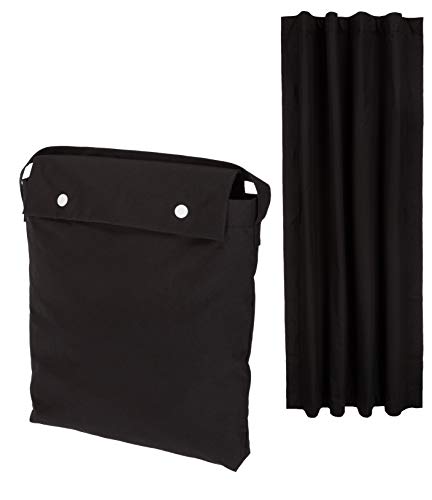
Amazon Basics Portable Blackout Curtain Shade with Suction Cups, Noise Reducing, Energy Saving, 50" W x 78"L, Black, 1-Pack
- Energy Saving: Blocks sunlight for insulation
- Noise Reduction: Reduces outside noise
- Customizable Fit: Adjustable with Velcro tabs
As an affiliate, we earn on qualifying purchases.
As an affiliate, we earn on qualifying purchases.
Does age or health change how long jet lag lasts?
Yes. Older travelers often find their jet lag lingers longer. That’s because their circadian rhythms are less flexible, making phase shifts more difficult. Someone in their 60s might need a week or more to feel fully adjusted after crossing multiple zones, while a younger person might recover in four or five days.
Similarly, good health and sleep habits help speed recovery. If you’re well-rested and physically active, your body adapts more easily. On the flip side, stress, fatigue, or underlying health issues can extend jet lag’s grip.
Frequently Asked Questions
How long does jet lag last after crossing 4-6 time zones?
Generally, expect about 3 to 5 days for your body to fully adjust. The exact time depends on your age, health, and whether you’re traveling east or west. Strategies like light therapy can shorten this period.Is jet lag worse when traveling east or west?
Traveling east tends to cause more severe jet lag because it requires your body to advance its internal clock. Westward trips are usually easier, as they involve delaying your sleep cycle.What’s the best way to recover faster from jet lag?
Use light exposure to shift your circadian rhythm, take melatonin at the right time, adjust your sleep gradually before travel, and stay well-hydrated. Planning ahead makes a big difference.Can jet lag be prevented altogether?
While impossible to avoid entirely, you can minimize its effects by gradually adjusting your sleep and light exposure before departure, especially for eastward trips crossing many zones.Are there new treatments for jet lag?
Yes. Recent advances include personalized light therapy devices, circadian rhythm apps, and ongoing research into medications. These tools help tailor the adjustment process more precisely.Conclusion
Jet lag isn’t a mystery — it’s your body fighting to realign with a new schedule. Knowing the typical timelines and how your route influences recovery arms you with power. A little prep, some strategic light, and patience can turn a long, draining adjustment into a smoother transition.
Next time you fly across the globe, remember: your body’s clock can be nudged back faster. Think of it as tuning your internal radio — a few well-placed signals and a bit of patience, and you’ll be back in sync sooner than you think.
Flea & tick season Picks
flea and tick prevention
As an affiliate, we earn on qualifying purchases.