TL;DR
Open a free Amazon Business account
Business pricing, bulk buying and tax-exempt orders.
Create a free accountAs an affiliate, we earn on qualifying purchases.
Your first 24 hours after landing set the tone for jet lag recovery. Hydrate, get sunlight, manage sleep, and stay active to reset your internal clock faster and feel better sooner.
Landing in a new time zone can feel like hitting a wall. Fatigue, disorientation, and hunger hit hard, and you wonder how to bounce back faster. The truth is, what you do immediately after landing can either prolong your jet lag or cut it short.
This guide walks you through a simple, effective plan for the first 24 hours. From hydration to light exposure to sleep tips, you’ll learn the exact steps to reset your internal clock and start enjoying your trip, not fighting it.
Hydrate aggressively within the first few hours after landing to combat dehydration.
Get outside for natural light early and at the right times to reset your circadian rhythm.
Align your sleep with local night hours as soon as possible, using blackout curtains and a cool room.
Avoid alcohol, excess caffeine, and heavy meals during the first 24 hours.
Stay active with gentle movement to stimulate circulation and alertness.
How to Reset Your Clock Right After Landing
The first thing you do after stepping off the plane can set the tone for your entire trip. Prioritize hydration, get outside for natural light, and align your meal times.
For example, if you land in the afternoon, spend at least 30 minutes outdoors in sunlight. Drink water steadily — aim for at least 16 ounces (half a liter) every hour until you feel well-hydrated. Eat meals according to the local schedule, even if you’re not hungry yet. These small steps tell your brain and body it’s time to adjust.
hydration water bottles for travel
As an affiliate, we earn on qualifying purchases.
As an affiliate, we earn on qualifying purchases.
The 3-Step Light and Sleep Strategy to Kickstart Recovery
- Get Morning Light: If you arrive eastward, expose yourself to morning sunlight. This is crucial because natural light is the primary cue your body uses to synchronize its internal clock with the environment. Morning light suppresses melatonin, the hormone that makes you sleepy, signaling to your brain that it’s daytime. This helps you wake up and start adjusting to the new schedule more quickly.
- Limit Light at Night: In the evening, dim the lights or wear sunglasses if you’re outside. Artificial light, especially blue light from screens, can trick your brain into thinking it’s still daytime, delaying melatonin production and making it harder to fall asleep. Managing light exposure at night helps reinforce your body’s natural circadian rhythm, promoting earlier sleep onset and better quality rest.
- Sleep at the Right Time: Even if sleep feels elusive, aim to sleep during the local night hours. This resets your internal clock by aligning your sleep-wake cycle with the new time zone. Use blackout curtains and a cool, quiet environment to enhance sleep quality. If you’re extremely tired, a 20-minute power nap can be beneficial, but longer naps risk pushing your schedule further out of sync, so they should be used cautiously. Prioritizing sleep during the right window ensures your body gets the rest it needs to recover and adapt faster.
For instance, if you arrive in the evening, avoiding bright screens and artificial light becomes even more critical because light exposure at the wrong time can delay your sleep onset, prolonging jet lag. Short naps can help manage immediate exhaustion but should be timed carefully to prevent disrupting your sleep schedule.
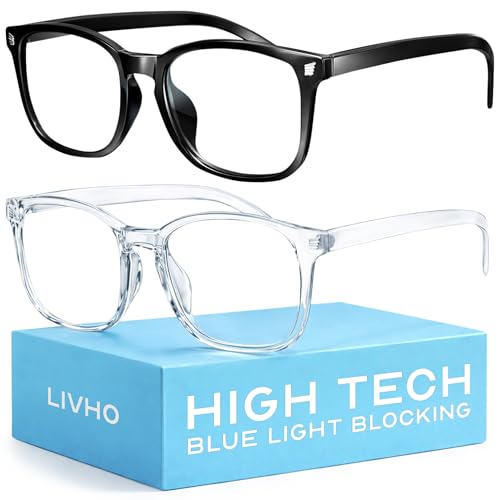
livho High Tech Blue Light Glasses – Advanced Blue Light Blocking Computer Glasses – Screen Fatigue & UV Protection
- Blue Light Blocking: Reduces eye strain from screens
- UV Protection: Protects eyes from harmful UV rays
- Stylish Women's Frame: Chic and functional design
As an affiliate, we earn on qualifying purchases.
As an affiliate, we earn on qualifying purchases.
Why Hydration and Nutrition Matter More Than You Think
Dehydration from long flights makes fatigue worse because water is essential for nearly every bodily function, including energy production and waste elimination. When dehydrated, your body struggles to recover from the physical stress of travel, leading to headaches, sluggishness, and impaired cognitive function. Drinking plenty of water helps reduce these symptoms, making your body more efficient at adjusting to the new environment.
Moreover, dehydration can amplify feelings of disorientation and mood disturbances. Avoiding alcohol and caffeine initially is important because both are diuretics—substances that promote water loss—and can exacerbate dehydration. Alcohol also interferes with sleep quality, further delaying recovery. Prioritizing balanced hydration and light, nutritious meals stabilizes blood sugar levels, which is vital because fluctuations can worsen fatigue and impair your ability to adapt.
For example, a traveler landing in Tokyo after a 12-hour flight drinks two liters of water within the first few hours and chooses light snacks like fruit or nuts instead of heavy or processed foods. This approach supports hydration and provides steady energy, aiding your body’s natural adjustment process. Recognizing the importance of hydration early on helps you avoid a cycle of dehydration and fatigue that can extend jet lag recovery times.
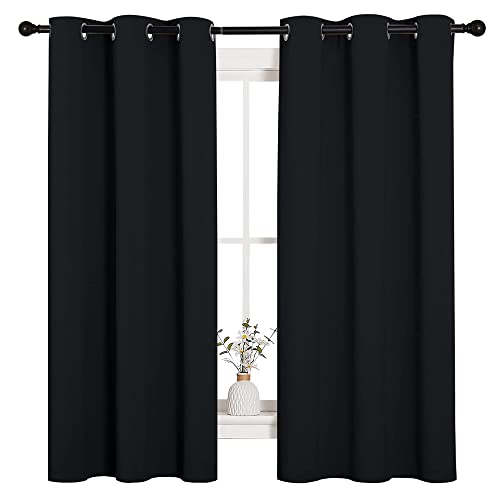
NICETOWN Halloween Pitch Black Solid Thermal Insulated Grommet Blackout Curtains/Drapes for Bedroom Window (2 Panels, 42 inches Wide by 63 inches Long, Black)
- Set Includes: 2 blackout curtains, 42×63 inches each
- Grommet Top: 6 grommets per panel for easy hanging
- Light Blocking: Blocks 85%-99% of light and UV rays
As an affiliate, we earn on qualifying purchases.
As an affiliate, we earn on qualifying purchases.
How to Stay Active Without Exhausting Yourself
Gentle movement helps your body adapt faster by stimulating circulation and signaling to your brain that it’s daytime. Light stretching, walking, or even a quick session of yoga can prevent stiffness and boost alertness without overtaxing your energy reserves. This is especially helpful if you land in the early morning or afternoon, when your body is most receptive to activity that promotes adjustment.
Imagine arriving in Paris at 8 a.m. You take a 15-minute walk along the Seine, feeling the cool breeze and hearing the city wake up. This simple activity sends signals to your brain that it’s daytime, encouraging your internal clock to shift accordingly. Over time, consistent light activity helps reinforce the new schedule and reduces feelings of sluggishness, making the transition smoother.
However, it’s important to balance activity with rest. Overexertion can increase fatigue and hinder sleep, so keep the movements light and avoid strenuous exercise during the first 24 hours. The goal is to stimulate your circadian rhythm gently, not to tire yourself out.

SUXIO Light Therapy Lamps Rechargeable, 10000 Lux Sunlight Lamp with Wake-Up Function, Daylight Lamp with Memory Function, Happy Lamp Use As Lift-Mood, Light Therapy Box for Home/Office
- Rechargeable Design: Lasts 3-8.5 hours, quick charging
- Multiple Brightness Modes: 4000-10000 Lux with memory function
- Adjustable Timer Settings: 30, 60, 90, 6-8 hours options
As an affiliate, we earn on qualifying purchases.
As an affiliate, we earn on qualifying purchases.
Comparison Table: Eastward vs. Westward Travel Recovery Tips
| Aspect | Eastward Travel | Westward Travel |
|---|---|---|
| Best Light Exposure | Morning sunlight | Evening light |
| Sleep Timing | Try to sleep earlier | Stay awake longer |
| Hydration Focus | Start early, hydrate often | Maintain hydration, avoid caffeine late |
What Not to Do in the First 24 Hours
Avoid heavy meals, alcohol, and caffeine in excess. Also, skip long naps if possible—these can reset your internal clock in the wrong direction. Don’t stay in bed all day if you’re not sleepy. Keep moving and stay in natural light.
For example, a traveler who naps 3 hours after arrival might find their jet lag worsened, taking longer to adapt. Instead, they stay upright, keep busy with light activities, and wait for local bedtime.
Engaging in heavy meals or alcohol can impair your body’s natural adjustment process because these substances can interfere with sleep quality and hydration status. Long naps, while tempting, can push your internal clock further from the desired schedule, especially if they extend beyond 30 minutes or occur late in the day. Staying in bed all day might seem restful but can actually reinforce fatigue and disrupt your circadian rhythm. Instead, focus on light activity and exposure to natural light to promote a healthy adjustment.
Frequently Asked Questions
How quickly can I expect to feel better after landing?
Most people start feeling noticeably better after 2-3 days, but your first 24 hours set the foundation. Proper actions right after landing can speed up that process significantly.Should I take melatonin immediately after arriving?
Melatonin can help regulate sleep if used at the right time, especially for eastward travel. However, it’s best to consult a healthcare provider to match dosage and timing with your schedule.Is it better to stay awake or sleep right after landing?
It depends on your arrival time. If you land during the day, staying awake until local bedtime helps reset your clock. If extremely exhausted, a short nap (20-30 minutes) can help, but avoid long sleep that might delay adaptation.How long does it usually take to fully recover from jet lag?
Typically, your body adjusts about one hour per day. So, crossing six time zones could take around six days, but early strategies can cut this down to 2-3 days.Are there any supplements or medications that help?
Melatonin and sometimes mild sleep aids can assist, but they should be used under medical supervision. Focus on behavioral strategies first for best results.Conclusion
Actively managing your first 24 hours after landing can shave days off your jet lag recovery. Hydrate, get sunlight, and stick to your local schedule. Your body and mind will thank you.
Next time you touch down, remember: this isn’t just about arriving — it’s about arriving ready to enjoy your trip. A few smart choices now mean more fun, less fatigue, and faster adaptation.
Labor Day sales Picks
labor day deals
As an affiliate, we earn on qualifying purchases.