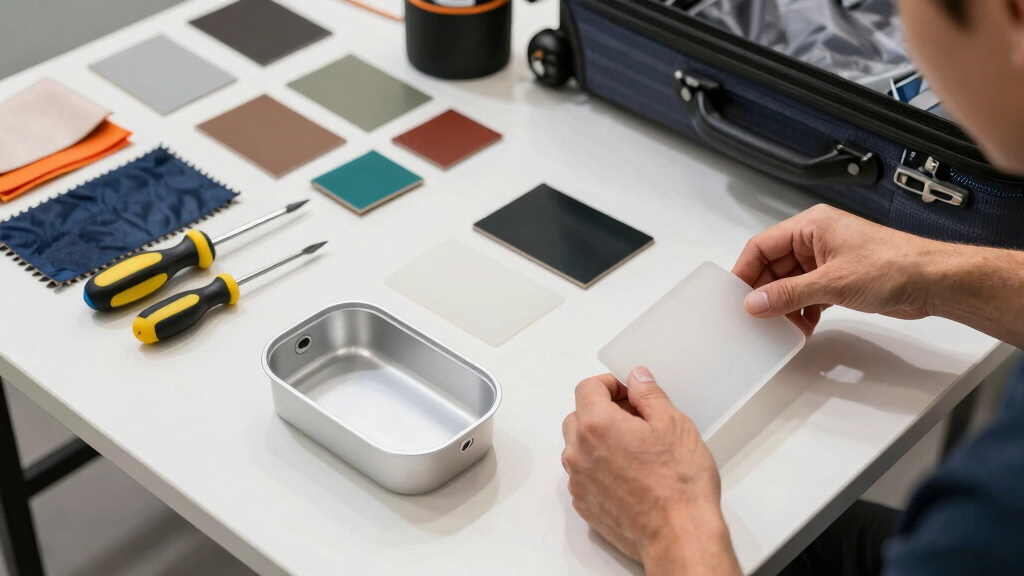

TL;DR

Get travel and outdoor gear delivered free with Prime
- Fast, free delivery on millions of items
- Prime Video, Amazon Music and more included
- Member-only deals all year
Polycarbonate and aluminum offer high impact resistance and protection, but differ in weight and cost. ABS is budget-friendly and lightweight, while ballistic nylon provides flexibility and abrasion resistance. Recent innovations boost durability and weather resistance across all options.
Polycarbonate offers great impact resistance and a sleek look, perfect for frequent travelers who want durability without weight.
ABS is budget-friendly and lightweight but less impact-resistant—best for casual or occasional trips.
Aluminum luggage provides maximum protection and style but is heavier and pricier, suited for business travelers.
Ballistic nylon combines flexibility and abrasion resistance, ideal for soft-sided luggage that needs to endure rough handling.
Recent innovations in coatings and hybrid designs improve the longevity and weather resistance of all luggage materials.
Polycarbonate, ABS, Aluminum and Ballistic Nylon
Material choice changes how a suitcase handles impact, weight, weather, scratches and price. Polycarbonate and aluminum lead on protection, ABS keeps costs down, and ballistic nylon brings flexible abrasion resistance for soft-sided travel.
The four materials behave very differently once travel gets rough.
The best suitcase is not just the strongest one. It is the material that matches your travel frequency, packing style, weight tolerance and budget.
Polycarbonate
Lightweight, flexible and impact-resistant. It absorbs shocks well, though glossy finishes can show scratches and UV exposure may dull the surface over time.
ABS
Very light and cost-effective, with decent toughness for light use. It is more prone to cracking under heavy impact than polycarbonate.
Aluminum
Rigid, stylish and highly protective for fragile contents. It dents and scratches visibly, but many travelers treat that patina as part of the appeal.
Ballistic Nylon
A dense woven fabric built for abrasion resistance and flexibility. Coatings improve rain protection, but most versions are water-resistant rather than waterproof.
Durability is a mix of impact resistance, abrasion control and surface aging.
A hard shell can protect electronics from a baggage belt drop, while a soft woven bag may survive scraping, squeezing and overpacking better.
TL;DR
Choose polycarbonate for everyday durable hard-shell travel, ABS for price and lightness, aluminum for maximum protection and style, and ballistic nylon for flexible, abrasion-resistant soft-sided use.
Feature-by-feature material comparison.
Use this table as the quick filter: protection, weight, price and surface wear are where the major tradeoffs appear.
| Feature | Polycarbonate | ABS | Aluminum | Ballistic Nylon |
|---|---|---|---|---|
| Impact resistance | ✓ High flex and rebound | ~ Moderate protection | ✓ Excellent rigid shell | ~ Good, less rigid |
| Weight | ✓ Light | ✓ Very light | ✗ Heavier | ~ Varies by build |
| Price profile | ~ Mid to premium | ✓ Budget-friendly | ✗ Premium cost | ~ Mid to premium |
| Surface wear | ~ Scratches can show | ~ Scratches less visible | ~ Dents and patina | ✓ Strong abrasion resistance |
| Best fit | Frequent travelers | Casual travelers | Business travelers | Flexible soft-sided packing |
Choose by travel pattern, not just showroom feel.
A suitcase that looks sleek in the store still has to survive stairs, taxis, overhead bins, luggage belts and rain.
Need impact protection?
Start with polycarbonate or aluminum if fragile items are common.
Need lowest weight?
ABS and polycarbonate stay easiest to lift and maneuver.
Need flexibility?
Ballistic nylon expands, compresses and handles abrasion well.
Need premium finish?
Aluminum offers the strongest style signal with a higher cost.
Check coatings
Modern finishes can improve scratch, UV and water resistance.
Weight spectrum
Cost spectrum
The latest material upgrades are making every category tougher.
Recent luggage innovation is less about one magic material and more about smarter combinations: coatings, alloys, reinforced corners, water-resistant treatments and embedded tracking.
Scratch and UV resistance
Textured finishes and protective coatings help polycarbonate and aluminum look newer for longer.
Lighter aluminum
Advanced aluminum alloys reduce weight while preserving the rigid protection premium travelers expect.
Hard plus soft
Polycarbonate shells paired with ballistic nylon accents can add expansion, flexibility and corner protection.
Trackable luggage
Sensors and GPS trackers are increasingly housed inside durable shells for real-time peace of mind.
Flex under pressure, protect contents, watch for scratches.
Save weight and money, accept lower impact resistance.
Maximize protection and style, budget for weight and cost.
Gain abrasion resistance, flexibility and packable expansion.
Look for coatings, reinforced corners and water treatments.
What is polycarbonate, and why do travelers love it?
Polycarbonate is a lightweight, impact-resistant plastic that’s become the gold standard for modern hard-shell luggage. It flexes under pressure instead of cracking—imagine dropping your suitcase from a baggage carousel. This flexibility reduces the risk of catastrophic failure during rough handling, which is common in busy airports. The textured finishes used in recent models are designed not just for aesthetics but also to hide scratches, which are inevitable with frequent travel. This means your suitcase maintains a sleek appearance longer, giving you more value over its lifespan. The impact resistance of polycarbonate directly translates into better protection for your belongings, especially fragile items. However, because the material is softer than metals, it can be more prone to surface scratches and discoloration over time if exposed to strong UV sunlight. This tradeoff is often acceptable for travelers prioritizing lightweight durability and ease of maneuverability. The ability to absorb shocks without cracking makes polycarbonate an ideal choice for frequent travelers who need reliable protection without added weight, but it does require some maintenance to keep it looking pristine.
Products Worth Considering

DEWALT 20V MAX 1/4-Inch Impact Driver Kit with Battery and Charger (DCF787D1)

Greenworks 24V Brushless Drill and Impact Driver Combo Kit with Two 2.0Ah USB-C Batteries and 65W Charger

DEWALT 20V MAX Drill and Impact Driver Combo Kit (DCK240C2)
As an affiliate, we earn on qualifying purchases.
How does ABS compare to polycarbonate? Is it worth choosing?
| Feature | Polycarbonate | ABS |
|---|---|---|
| Impact Resistance | High | Moderate |
| Weight | Light | Very light |
| Price | Higher | Lower |
| Scratches | More visible | Less visible |
| Durability | Excellent | Decent, but prone to cracking under heavy impact |
ABS is often called the budget-friendly sibling of polycarbonate. It’s lighter and cheaper but less tough. This means that while ABS luggage can be a practical choice for casual travelers or those on a tight budget, it generally offers less protection against impacts. When you’re navigating crowded airports or handling your luggage frequently, the risk of cracks or dents increases with ABS. The lighter weight makes it easier to carry or lift, especially if you’re managing multiple bags or stairs. However, because it’s less impact resistant, it may not withstand rough handling as well as polycarbonate. The tradeoff is cost and weight savings, which can be significant for infrequent travelers or those who prioritize convenience over maximum protection. If you want a budget option that still looks good and performs adequately for light use, ABS can be suitable—just be aware of its limitations in durability and impact resistance over time.
What makes aluminum luggage stand out from plastics?
Aluminum isn’t just shiny and stylish—it’s tough. Aluminum cases are often used by business travelers who need maximum impact protection and a professional look. Think of a rugged trip where your suitcase gets knocked around in a taxi or tossed onto a luggage belt—aluminum’s rigid shell offers superb protection for fragile items like electronics or jewelry. The rigidity of aluminum means it can absorb impacts without deforming, which is crucial when safeguarding valuable or delicate contents. However, this strength comes with a weight penalty; aluminum is heavier than plastics, making it less ideal for travelers prioritizing lightweight options. Recent innovations use lightweight aluminum alloys, which significantly reduce weight without sacrificing strength—this is a game-changer for those who want impact protection without the bulk. Over time, aluminum develops dents and scratches that add character, giving each case a unique, well-traveled look. This aesthetic appeal is often appreciated by frequent travelers who like their luggage to tell a story of adventures, but it also indicates the case’s resilience to impacts and rough handling.
Why do travelers choose ballistic nylon, and what are its pros and cons?
Ballistic nylon is a tough, woven fabric originally designed for military use—think bulletproof vests. It’s favored in soft-sided luggage because it’s highly resistant to tears and abrasions, making it ideal for travelers who need durability combined with flexibility. This material’s woven structure distributes stress evenly, which helps prevent tears when subjected to rough handling or sharp objects. Imagine a soft bag that survives a week of city travel, bouncing around in taxis and crowded airports—its resilience keeps your belongings safe. However, ballistic nylon isn’t perfect—water resistance varies depending on coatings and treatments, and it can be heavier than hard-shell options, which might be a concern for travelers trying to minimize weight. Modern versions often get a water-resistant coating, making them more suitable for rainy trips, but they’re not fully waterproof. The flexibility of ballistic nylon allows for expansion—handy if you’re shopping or packing last minute—yet this same flexibility can sometimes mean less structural rigidity, which might be a drawback if you prefer a more rigid shell for better impact resistance. Overall, ballistic nylon strikes a balance between durability, weight, and flexibility, making it a popular choice for those who value resilience and adaptability in their luggage.
What’s new in luggage materials? The latest innovations
Recent advances focus on making luggage lighter, tougher, and smarter. Coatings now reduce scratches and UV damage on polycarbonate and aluminum, extending the aesthetic lifespan of your case. Hybrid cases combine hard shells with soft fabrics—think a polycarbonate exterior with ballistic nylon accents—adding both strength and flexibility, which is especially useful for travelers who need impact protection but also want room for expansion. Lightweight aluminum alloys have been developed to significantly cut weight without sacrificing strength, making premium impact protection more accessible. Water-resistant treatments on nylon and hybrid fabrics help keep your gear dry, vital for unpredictable weather conditions. Additionally, some brands embed sensors and GPS trackers inside durable shells, turning your suitcase into a smart device that can be tracked in real time—this innovation is increasingly popular among frequent travelers and those who want peace of mind during transit. These technological and material innovations are shaping the future of luggage, making it more durable, functional, and adaptable to the needs of modern travelers.
Your top questions answered: Which luggage material is best for you?
- Which is most durable? Aluminum and polycarbonate lead in impact resistance, with aluminum offering maximum protection but at a weight and price premium. The choice depends on whether you prioritize ruggedness or weight savings.
- Hard-shell or soft-sided? Hard-shell (polycarbonate, aluminum) provides better impact and weather protection, making it suitable for fragile items and harsh conditions. Soft-sided (ballistic nylon) offers flexibility, expandability, and easier packing, which is ideal for travelers needing extra space or flexibility in packing.
- How do I care for my luggage? Polycarbonate and ABS can be cleaned with mild soap and water; aluminum benefits from regular polishing to maintain its shine and prevent corrosion; ballistic nylon responds well to water-resistant sprays and gentle cleaning, helping it resist stains and moisture over time.
- Is lightweight less durable? Not always—modern materials like high-grade polycarbonate and lightweight alloys are engineered to balance weight and toughness, providing durable options without the bulk.
- Which is best for frequent travelers? Impact-resistant polycarbonate or ballistic nylon tend to be favorites, depending on whether you prefer a hard shell with maximum impact protection or a soft, flexible case that can expand and absorb shocks better. Your specific needs—such as impact resistance, weight, or expandability—will guide your choice.
Frequently Asked Questions
How do I prevent scratches on my polycarbonate luggage?
Use a soft cloth for cleaning, avoid dragging it on rough surfaces, and consider a protective film or textured finish to hide scratches. Regularly polishing with a plastic cleaner can also keep it looking new. Being mindful during handling and storing it in protective covers when not in use can also prolong its pristine appearance, ensuring your investment stays looking sharp for years.
Is aluminum luggage worth the extra cost?
If you need maximum impact protection and a sleek, professional look, aluminum can be a smart investment. Its durability means less worry about dents or cracks during rough handling. However, weigh the weight and higher price against your travel needs—if you prioritize lightweight convenience or travel frequently, consider whether the added protection justifies the cost and weight. For travelers who value style and longevity, aluminum can be a worthwhile choice, but for casual trips, a high-quality polycarbonate might suffice.
Can ballistic nylon luggage handle rain?
Modern ballistic nylon often gets a water-resistant coating, which helps protect your belongings from light rain or splashes. However, it’s not fully waterproof—heavy rain or prolonged exposure can still allow water to seep in. For wet climates, look for models with sealed zippers and additional water-resistant treatments, or pack your nylon bag inside a rain cover for extra protection. Proper maintenance, like reapplying water-resistant sprays, can also extend its water-repelling capabilities and keep your gear dry during unpredictable weather.
Which luggage material is best for frequent international travel?
Impact-resistant polycarbonate or ballistic nylon are top choices. Polycarbonate offers lightweight durability that’s easy to carry through airports and crowded spaces, while nylon provides flexibility and expandability, which is useful for packing souvenirs or additional items. Consider your priorities—if impact protection and ease of handling are paramount, polycarbonate is ideal; if you need a softer, more adaptable case that can handle rough handling and extra packing, nylon might be better suited. Both materials have proven their worth in demanding travel environments, so choosing depends on your specific needs and travel style.
How can I extend the life of my luggage?
Handle it gently—avoid dragging over rough surfaces, which can cause scratches or dents. Regular cleaning with appropriate products—mild soap and water for hard shells, water-resistant sprays for soft fabrics—helps maintain its appearance and resistance to stains. Store your luggage in a cool, dry place away from direct sunlight to prevent material degradation. For hard-shell cases, applying protective coatings or polish can help preserve their finish, while soft cases benefit from reapplying water-resistant treatments. Also, consider using luggage covers or protective bags during transit to minimize scratches and impacts, ensuring your investment remains functional and attractive for many trips to come.