TL;DR

Get travel and outdoor gear delivered free with Prime
- Fast, free delivery on millions of items
- Prime Video, Amazon Music and more included
- Member-only deals all year
TSA locks are specially designed luggage locks that TSA agents can open with a master key, preventing damage during inspections. They’re recommended for checked bags, especially when traveling abroad, but do have some limitations in security and privacy.
Every time you check a bag at the airport, there’s a little worry. Will my lock get broken? Will someone peek inside? TSA locks are the quick fix. They let TSA agents open your luggage with a master key, then lock it again—no damage, no fuss.
If you travel frequently or internationally, understanding how TSA locks work can save you time and money. This guide explains the different types, their benefits, and when it’s smart to use one.
TSA locks allow TSA agents to inspect luggage without damage using a universal master key.
They are recommended for international travel and long layovers, especially for checked bags.
Choose locks with anti-shim features and resettable combinations for better security.
TSA locks aren’t completely theft-proof; use additional security measures if needed.
If you forget your combo or need a replacement, most brands offer easy reset or replacement options.
What Are TSA Locks and Why Do They Matter?
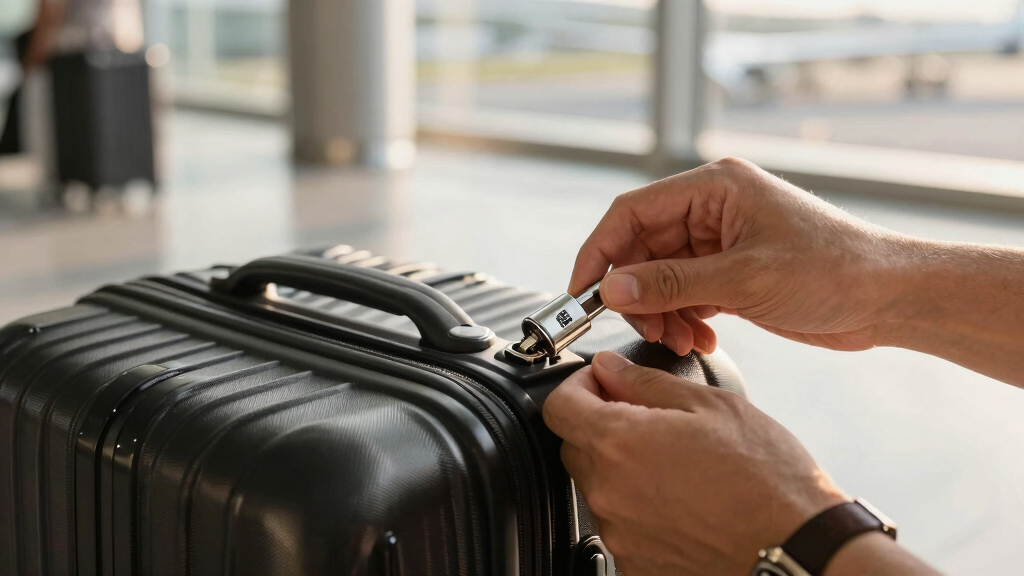
TSA locks are special luggage locks approved by the Transportation Security Administration. They feature a design that TSA agents can open with a master key—no broken zippers or torn fabric needed. This means your luggage gets inspected without damage, saving you money and hassle.
Imagine sending your suitcase through the scanner, only to find your lock snapped or cut open. That’s frustrating. TSA locks prevent that, offering peace of mind—and sometimes, a little extra security.
For instance, if you’re flying internationally to a country with strict security, TSA locks help avoid delays or damage, especially on long journeys with multiple layovers.
As an affiliate, we earn on qualifying purchases.
How Do TSA Locks Actually Work? 3 Key Steps
- Set or Use Your Lock: Choose between a combination dial or a key lock. Set your personal code or keep the key handy.
- Travel and Security Inspection: When your luggage passes through security, TSA agents open the lock using a universal master key, inspect the contents, then relock it.
- Re-lock and Travel On: Your lock is securely fastened again, ready for your journey. No damage, no fuss.
Understanding this process is crucial because it highlights the balance between security and convenience. TSA locks allow security personnel to perform necessary inspections without damaging your luggage, which is especially important in busy airports where luggage handling can be rough. However, this convenience comes with a tradeoff: anyone with access to the master key, including TSA agents, can open your lock, which could potentially be exploited if the lock isn’t high quality. Choosing a reputable, high-quality TSA lock minimizes this risk and ensures your luggage remains secure during travel.
combination TSA locks for suitcases
As an affiliate, we earn on qualifying purchases.
As an affiliate, we earn on qualifying purchases.
TSA Locks vs. Traditional Locks: Which Is Better?
| Feature | TSA Locks | Traditional Locks |
|---|---|---|
| Can TSA open? | Yes, with master key | No |
| Damage risk during inspection | Minimal | High, if forced |
| Privacy | Limited (TSA can open) | Higher (no access without key) |
| Security | Moderate; deters casual theft | Varies; easier to bypass |
Choosing between TSA and traditional locks involves weighing convenience against privacy. TSA locks facilitate inspections without damage, which is crucial for international travel or long layovers where luggage might be handled multiple times. However, because TSA has universal access, your belongings are more accessible to security personnel, which could be a concern if your luggage contains sensitive items. Traditional locks offer more privacy but risk damage or forced entry, especially if the lock is weak or the luggage is mishandled. The tradeoff is essentially between ease of inspection and maximum privacy/security—consider your destination and the value of your items when choosing.
As an affiliate, we earn on qualifying purchases.
When Should You Use a TSA Lock? 4 Practical Scenarios
- International Travel: Most countries mandate or recommend TSA locks to facilitate inspections. Using one signals compliance and can save time, as TSA agents can quickly open and re-lock your luggage, reducing delays and potential damage.
- Long Layovers or Multiple Flights: When your luggage might be handled multiple times, TSA locks ensure that security can inspect your bag without you having to be present or risking damage from forced opening, maintaining the integrity of your luggage and contents.
- High-Value Items Inside: TSA locks act as a deterrent to casual theft, especially in busy airports where luggage can be left unattended briefly. While not theft-proof, they add a layer of security that can discourage opportunistic theft.
- Frequent Business Travelers: Reusable and easy to reset, TSA locks are ideal for those who travel often, providing a balance of security and convenience that can streamline the security process and reduce frustration during repeated trips.
In contrast, if you’re traveling domestically with carry-on only, TSA locks aren’t necessary—your bag won’t typically go through the same inspection process, and you might prefer locks that prioritize privacy and security over ease of access.
As an affiliate, we earn on qualifying purchases.
What Are the Limitations of TSA Locks?
While TSA locks are a helpful security feature, they are not infallible. Thieves with knowledge or tools can sometimes bypass them, especially if the lock is of low quality or improperly used. This means that relying solely on a TSA lock doesn’t guarantee complete security—your luggage could still be vulnerable to theft or tampering. The ability of TSA agents to open and re-lock your luggage is a double-edged sword: it facilitates inspection but also means your belongings are accessible to anyone with the master key, which could be misused if the lock or the TSA master keys are compromised.
Furthermore, some travelers worry about privacy because TSA agents, or anyone with access to the master keys, can open their bags without their knowledge. This can be concerning if you’re carrying sensitive or valuable items. Additionally, if you forget your combination or lose your keys, resetting or replacing your lock can be a hassle, especially if the lock isn’t designed for easy reset or replacement. The security tradeoff is clear: convenience and inspection facilitation versus potential privacy and security vulnerabilities. Selecting a high-quality, tamper-resistant TSA lock can mitigate some of these risks, but no lock can guarantee absolute security.
Choosing the Right TSA Lock: Tips for Smart Travelers
- Pick a lock with anti-shim features: These prevent thieves from slipping a thin piece of metal between the lock and latch, which is a common bypass method. High-quality locks with anti-shim technology significantly reduce the risk of forced entry.
- Go for a resettable combination: No keys to lose or misplace, and you can change your code easily if needed. This flexibility enhances security and convenience, especially if traveling with multiple people or frequently changing codes.
- Match your luggage size: Larger suitcases often require more robust, heavy-duty locks to withstand rough handling, while small carry-ons can use compact, lightweight options without sacrificing security.
- Consider smart locks: Bluetooth-enabled locks can be controlled via your smartphone, allowing you to lock or unlock remotely and monitor access. This adds a layer of convenience and control, especially for frequent travelers who want to keep track of their luggage.
For example, a frequent flyer might prefer a smart lock that allows remote access monitoring, while a casual traveler might opt for a simple combination lock for ease of use. The key is balancing security features with practical usability.
How to Reset or Replace Your TSA Lock if Needed
- Check the manufacturer’s instructions: Most locks come with a manual or online guide for resetting combinations or ordering replacement keys. Following these instructions carefully ensures you don’t damage the lock or compromise its security features.
- Verify ownership: Keep receipts or proof of purchase to streamline the process of obtaining replacements or resets, especially if you need to prove the lock belongs to you.
- Contact customer service: Many brands offer support for damaged or lost keys, or if you forget your combo. Reaching out can often lead to quick solutions, such as sending a replacement or providing reset codes.
- Choose a new lock: If your current lock is compromised or not meeting your needs, consider upgrading to a more secure or feature-rich model. Investing in a high-quality lock can prevent future issues and enhance your overall travel security.
Many TSA locks are designed for easy resetting or replacement, making it simple to maintain security even if your circumstances change. Regularly updating your lock choices can also improve security over time.
Frequently Asked Questions
Do I really need a TSA lock for my checked luggage?
If you’re flying internationally or with checked bags, using a TSA lock is highly recommended. It prevents damage during inspection and allows TSA to open your luggage if needed, saving you money and frustration.
Can anyone open a TSA lock without a master key?
No, only TSA agents with authorized master keys can open approved TSA locks. However, determined thieves might bypass weaker locks, so choose quality hardware for added security.
Are TSA locks secure enough to prevent theft?
TSA locks act as a deterrent for casual theft and facilitate inspection, but they are not completely theft-proof. Combining them with other security measures is wise if your luggage contains valuables.
What do I do if I forget my TSA lock combo?
Check the manufacturer’s instructions or contact customer support. Many locks can be reset with a special method, or you might need proof of purchase to get a replacement.
Can I replace or upgrade my TSA lock easily?
Yes, most TSA locks are designed to be replaced or upgraded. Many brands offer replacement keys or combo reset options, making maintenance straightforward.
Conclusion
Understanding how TSA locks work helps you travel smarter. They protect your luggage from damage and give TSA agents quick access—saving you time and hassle at the airport.
Pick the right lock based on your travel style, and remember: a good TSA lock isn’t just about security, it’s about peace of mind. Keep your travel gear safe, and enjoy the journey.
Fall Picks
fall essentials
As an affiliate, we earn on qualifying purchases.