TL;DR

Get travel and outdoor gear delivered free with Prime
- Fast, free delivery on millions of items
- Prime Video, Amazon Music and more included
- Member-only deals all year
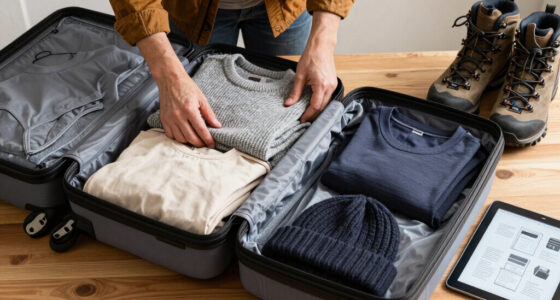
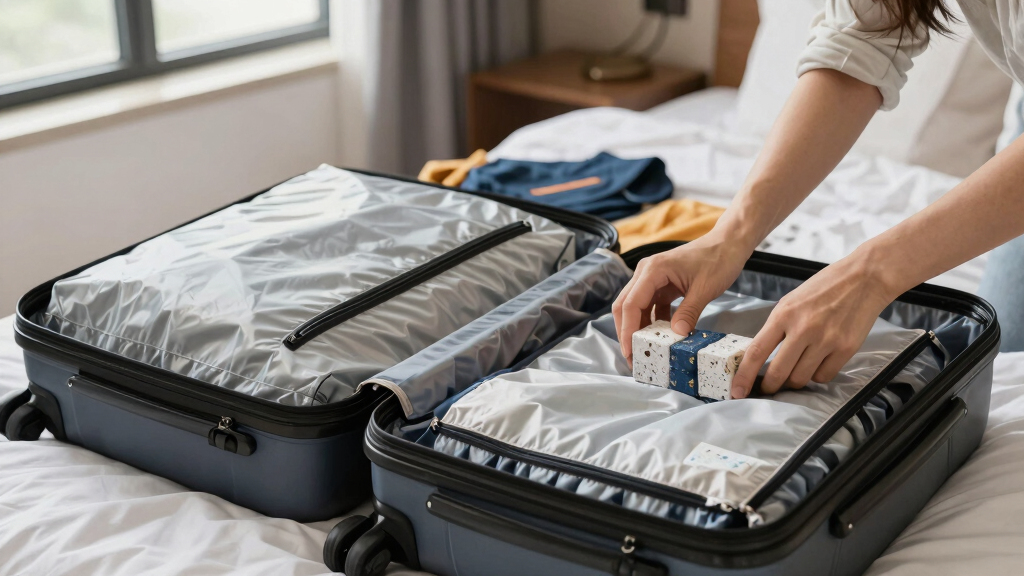
Compression bags save space by shrinking clothing, perfect for limited luggage. Packing cubes organize and make items accessible, ideal for longer trips. Use both together for optimal packing.
Use packing cubes for organization and quick access during travel.
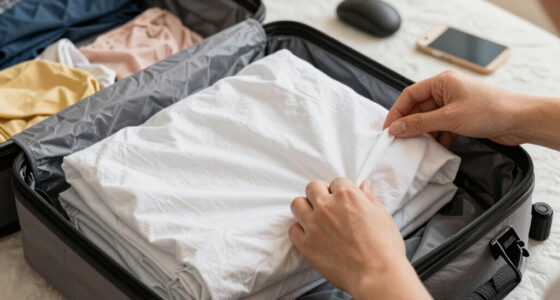
Apply compression bags to shrink bulky, soft items and maximize luggage space.
Combine both tools for the most efficient packing setup, especially on longer trips.
Choose quality, durable products to get the most value and longevity.
Practice packing with both before your trip to streamline your routine.
Compression Bags vs Packing Cubes
One shrinks. One sorts. Compression bags reclaim space from bulky clothing; packing cubes create order and instant access. Use them together and your suitcase becomes a compact, organized travel system.
Ideal for sweaters, jackets, pajamas, towels and other soft textiles.
Ideal for shirts, underwear, delicate pieces and category-based packing.
Compress the bulk, organize everything else and keep essentials within reach.
Two tools. Two distinct jobs.
Packing cubes behave like drawers inside your luggage. Compression bags remove excess air to reduce volume. Neither replaces the other: they solve different packing problems.
Packing Cubes
Soft, lightweight fabric containers that separate clothing by type, day or traveler. They offer fast access, tidy unpacking and gentle protection for items that should not be crushed.
Compression Bags
Sealable plastic or nylon bags that remove trapped air. They offer dramatic volume reduction when bulky clothing is consuming valuable suitcase capacity.
| Aspect | Packing Cubes | Compression Bags |
|---|---|---|
| Primary purpose | ✓ Organization and access | ✓ Maximum space reduction |
| Material | Washable nylon or polyester fabric | Plastic or nylon with seal or valve |
| Ease of use | ✓ Simple pack and unzip | ~ Seal, roll or vacuum |
| Quick access | ✓ Excellent | ✗ Slower after sealing |
| Wrinkle risk | ✓ Lower with careful folding | ~ Higher under pressure |
| Durability | Usually washable and long-lasting | Can tear if overfilled or mishandled |
| Best for | Daily outfits, delicates and categories | Sweaters, jackets, towels and pajamas |
Match the tool to the travel moment.
Ask what is causing friction: disorganization, wasted volume or both. Your answer points directly to the right packing system.
Long itineraries
Separate shirts, underwear and outfits so you can retrieve one category without disturbing the rest.
Winter travel
Shrink bulky sweaters, jackets and soft layers when luggage space is the limiting factor.
Frequent stops
Turn cubes into portable drawers for quick hotel changes, layovers and multi-city travel.
Limited allowance
Reduce volume in carry-ons and small cases—but remember that compression does not reduce weight.
Delicate fabrics
Keep silk, accessories and wrinkle-prone garments separated from heavy or abrasive items.
Two-week trips
Keep everyday clothing accessible while compressing the bulky pieces that consume excess space.
The core trade-off
Compression bags can reduce suitable clothing volume by 50% or more. Packing cubes preserve far better access throughout the journey.
Pack. Compress. Organize.
The most efficient setup keeps frequently used items visible while pushing excess air out of bulky, low-access pieces.
Sort by behavior
Separate daily, delicate and bulky clothing.
Fold daily items
Place shirts and underwear into cubes.
Compress the bulk
Seal sweaters, jackets and soft textiles.
Build the base
Place dense compressed bags low and flat.
Keep cubes accessible
Position everyday items near the opening.
Five rules that protect your clothes.
Modern compression bags are lighter, more durable and easier to operate, with integrated pumps, reusable materials and hybrid designs. Good technique still matters.
Practice sealing, stacking and accessing both systems while there is still time to adjust.
Use bags for sweaters, T-shirts, pajamas and towels—not structured or fragile pieces.
Keep silk, linen and delicate garments gently folded inside packing cubes.
Trapped moisture can encourage odors or mold inside an airtight compression bag.
Strong seams, reliable valves and washable materials improve longevity and reduce waste.
What Are Packing Cubes and Compression Bags? Here’s the Real Difference
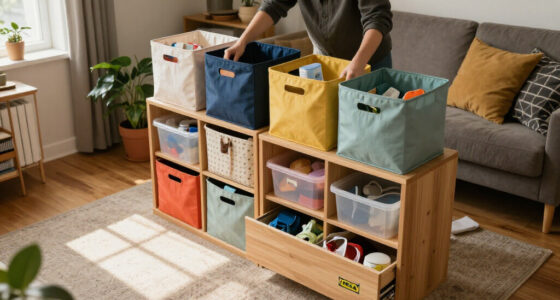
Packing cubes are soft fabric containers designed to organize your clothes within your suitcase. They come in various sizes and help keep everything tidy, from shirts to socks. Think of them as tiny drawers inside your luggage.
Compression bags, on the other hand, are made of plastic or nylon. They seal tightly and squeeze out excess air, shrinking bulky items dramatically. They’re perfect for maximizing space—especially when you’re packing heavy winter gear or soft textiles.
According to the World Clock Site, packing cubes are all about organization, while compression bags focus on space-saving. Both can transform your packing routine—just for different reasons.
compression packing bags for travel
As an affiliate, we earn on qualifying purchases.
As an affiliate, we earn on qualifying purchases.
Why Modern Compression Bags Are Better Than Ever
Newer compression bags boast lightweight, eco-friendly materials that last longer. Some include built-in pumps or work with handheld vacuums, making the compression process quick and effortless. Imagine sealing your bulky sweater in 30 seconds with a simple pump—no more wrestling with noisy vacuum hoses.
They’re not just for space-saving. Some models are modular, with compartments that combine organization and compression. Plus, many are reusable and washable, reducing waste compared to single-use plastic bags.
Research from the World Clock Site shows that these innovations mean travelers can now enjoy both durability and convenience, whether packing for a weekend or a month abroad.
As an affiliate, we earn on qualifying purchases.
Key Differences Between Packing Cubes and Compression Bags
| Aspect | Packing Cubes | Compression Bags |
|---|---|---|
| Purpose | Organize and access items easily | Save space by shrinking bulky items |
| Material | Lightweight fabric (nylon, polyester) | Plastic or nylon with sealing/valve |
| Ease of Use | Simple to pack and unpack | Requires sealing and sometimes vacuuming |
| Durability | Usually washable and long-lasting | Less durable, prone to tears if mishandled |
| Best For | Keeping things organized during travel | Maximizing luggage capacity when space is tight |
vacuum compression bags for clothing
As an affiliate, we earn on qualifying purchases.
As an affiliate, we earn on qualifying purchases.
When Should You Use Packing Cubes? The Clear Cases
Use packing cubes when your goal is quick access and neatness. For example, if you’re traveling for two weeks and want to avoid rifling through your suitcase, cubes keep everything in its place. Imagine pulling out a cube of clean socks without disturbing your entire wardrobe.
They’re perfect for delicate items, like a silk blouse or fragile accessories, which benefit from separation and gentle handling.
Also handy during layovers—simply grab the cube with what you need, without unpacking everything. Think of them as your personal closet on the go.
As an affiliate, we earn on qualifying purchases.
When Should You Reach for Compression Bags? The Space-Saving Solution
Compression bags really shine when space is at a premium. Say you’re packing for a winter trip with bulky sweaters and jackets. Using compression bags, you can shrink each piece by 50% or more, freeing up room for souvenirs or extra shoes.
They’re also ideal for soft textiles—think towels, pajamas, or soft blankets—where volume matters more than quick access. If luggage weight or size limits scare you, compression bags can make your suitcase feel twice as spacious.
Just remember, you’ll need a bit more time to seal and vacuum, so plan accordingly.
How to Combine Packing Cubes and Compression Bags for Maximum Efficiency
Want the best of both worlds? Use packing cubes to segment your clothes—one for shirts, another for underwear. Then, stuff bulky, soft items like sweaters into compression bags to save space. Once compressed, tuck those bags into your suitcase alongside your organized cubes.
This combo keeps your luggage neat and maximizes every inch. For example, on a two-week trip, you might have clothing in cubes for quick access and bulky items in compression bags to fit everything comfortably.
It’s a simple step: pack, compress, organize. Your suitcase becomes a well-oiled packing machine.
The 3 Most Important Tips for Smarter Packing
- Test your setup: Practice packing with both tools before your trip to see what works best.
- Prioritize your items: Use compression bags for bulky, soft clothes; reserve cubes for everything else.
- Keep delicate items separate: Avoid compressing fragile fabrics or items prone to wrinkles in compression bags.
- Dry and clean: Always wash and dry clothes thoroughly before packing to prevent mold or odors, especially in compression bags.
- Choose quality: Invest in durable, well-made packing cubes and compression bags—they last longer and work better.
Final Thought: Use Both for Stress-Free Travel
Mixing packing cubes and compression bags isn’t just smart—it’s game-changing. Organize your clothes in cubes for quick access, and squeeze bulky items into compression bags for extra space. This combo transforms chaos into order.
Next trip, try it out. Pack smarter, travel lighter, and enjoy the journey—without the baggage stress.
Frequently Asked Questions
Are compression bags worth it?
Yes, if space is tight or you want to pack more efficiently. They can dramatically reduce volume, but they may take a little more time to seal properly. For quick access, they’re less convenient than packing cubes.
Can I combine packing cubes and compression bags?
Absolutely! Many travelers find this combo ideal. Use cubes for organization and compression bags for bulky clothes—together, they make packing faster and neater.
Will compression bags damage my clothes?
Generally no, especially if the fabric is soft and the items are dry. Avoid using on delicate or wrinkle-prone fabrics, as compression can sometimes cause creases or stress on fragile fibers.
Are compression bags suitable for all types of clothing?
They work best for soft, compressible items like T-shirts, pajamas, or towels. Avoid using them for delicate fabrics or items that shouldn’t be folded or flattened heavily.
How do I prevent mold or odors in compression bags?
Always pack clean, dry clothes. Use breathable or moisture-absorbing bags if you’re storing items for a long time. Air out your bags occasionally to keep things fresh.
Conclusion
Your luggage isn’t the only thing that benefits from smarter packing—your travel experience does. By knowing when to use compression bags or packing cubes, you turn chaos into calm. Ready to pack like a seasoned pro? Start experimenting now, and watch your trips get easier and lighter.Halloween Picks
halloween
As an affiliate, we earn on qualifying purchases.