
TL;DR

Get travel and outdoor gear delivered free — and shop member deals
- Fast, free delivery on millions of items
- Access to Prime Big Deal Days deals on October 6–7
- Prime Video, Amazon Music and more included
Many countries now offer digital nomad visas, allowing remote workers to stay legally for 6 months to 2 years. This guide covers the best destinations, application tips, and key differences to help you choose your next home base.
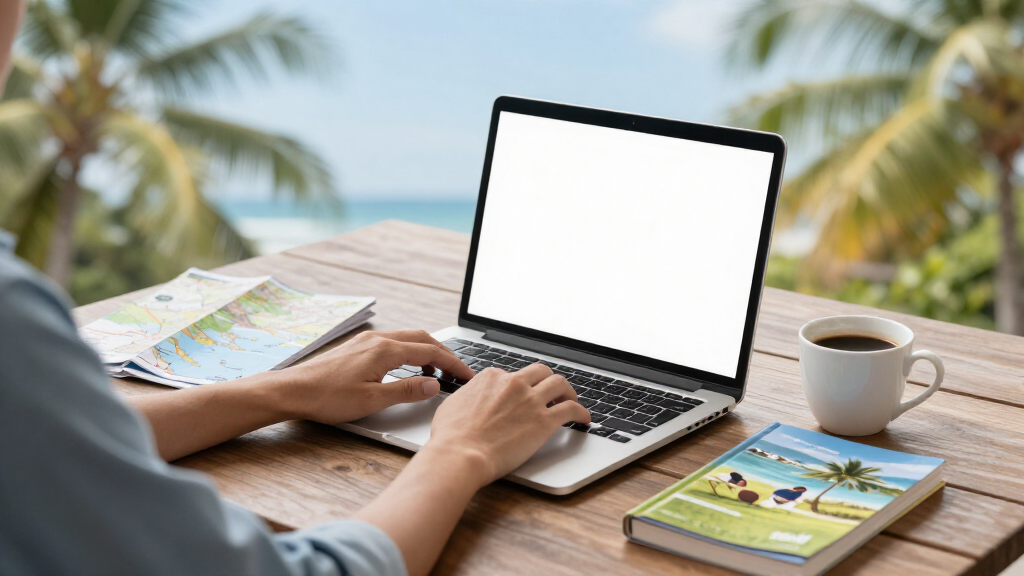
Imagine working from a cozy café overlooking the turquoise waters of Bali or a lively street in Lisbon. Digital nomad visas make these scenes possible — legal, easy, and rewarding. If you’re dreaming of swapping your cubicle for a beachside hammock or mountain lodge, understanding where and how to get these visas is your first step.
In this guide, you’ll find out which countries actively welcome remote workers, the ins and outs of their visa programs, and practical tips to make your move smooth. Whether you’re a freelancer, a remote employee, or running your own business, these programs could change how and where you work.
Research specific visa requirements for each country; they vary widely in duration, cost, and eligibility.
Prepare your documents early: proof of income, health insurance, and background checks are common essentials.
Understand tax implications and social security rules before settling in a new country to avoid surprises.
Prioritize countries with reliable internet, vibrant expat communities, and affordable living costs.
Always verify official sources for the latest visa rules and legal obligations before booking your move.
What is a digital nomad visa, and why should you care?
A digital nomad visa is a legal permit that allows you to live and work in a foreign country for an extended period — often 6 months to 2 years. It’s designed specifically for remote workers who don’t need a local employer or sponsorship.
Imagine being able to explore new cultures, connect with diverse communities, and keep earning your income without the hassle of frequent tourist visas or work permits. Countries see these visas as a win: they get a boost in tourism, cultural exchange, and a fresh wave of digital talent.
For you, it’s a chance to turn your laptop into a passport of sorts — granting freedom without the typical complications of traditional work visas, which can involve sponsorships, heavy paperwork, or restrictions on remote tasks.
portable WiFi hotspot for digital nomads
As an affiliate, we earn on qualifying purchases.
As an affiliate, we earn on qualifying purchases.
Which countries are leading the pack in welcoming remote workers?
Several countries stand out for their proactive digital nomad visa programs. For example, Portugal’s D7 visa and the new digital nomad options have attracted thousands. Greece launched its “Digital Nomad Visa” in 2021, offering a year-long stay with the possibility of renewal.
Barbados’ “Welcome Stamp” allows remote workers to stay for up to 12 months, with no income restrictions. Croatia extended its remote work permits, making it easier to stay for up to a year.
Here’s a quick comparison:
| Country | Visa Name | Duration | Key Benefit |
|---|---|---|---|
| Portugal | D7 / Digital Nomad Visa | Up to 1 year, renewable | Affordable living, rich culture |
| Greece | Digital Nomad Visa | Up to 1 year, renewable | Beautiful islands, friendly locals |
| Barbados | Welcome Stamp | Up to 12 months | Caribbean lifestyle, scenic beaches |
| Croatia | Remote Work Permit | Up to 1 year | Historic towns, stunning coastlines |
These countries are investing in coworking spaces, high-speed internet, and vibrant expat communities. They want you to stay, work, and enjoy.
As an affiliate, we earn on qualifying purchases.
How to snag your digital nomad visa in 3 simple steps
- Check the eligibility criteria: Income proof, health insurance, clean record. For example, Barbados requires showing a minimum income of $50,000 annually.
- Gather your documents: Passport, proof of income, health coverage, accommodation details, and sometimes a background check.
- Apply online or at the embassy: Many countries now offer streamlined digital applications. Expect to pay application fees ranging from $100 to $500.
For instance, Portugal’s online portal makes it straightforward. You might get a response in 4-6 weeks, and some countries even allow you to start working once your visa is approved.
Pro tip: Always double-check the official government site for updates, as requirements can shift quickly.
travel-friendly noise-canceling headphones
As an affiliate, we earn on qualifying purchases.
As an affiliate, we earn on qualifying purchases.
What are the real perks and tradeoffs of these visas?
On the plus side, digital nomad visas give you legal peace of mind, flexibility, and a chance to experience new cultures. You can stay longer than typical tourist visas and often bring family members.
However, there are tradeoffs. Some countries tax global income or require social security contributions. Infrastructure can vary — while Bali offers vibrant coworking hubs, rural areas may lack reliable internet.
Understanding these tradeoffs is crucial because they affect your financial planning and daily life. For example, a country with high tax rates might reduce your net income, while poor internet connectivity can hinder your productivity. Conversely, countries with comprehensive infrastructure and favorable tax policies can significantly enhance your remote working experience. Weighing these factors helps you choose a destination that aligns with your lifestyle and work needs, avoiding surprises and ensuring a smoother transition.
For example, Estonia’s e-Residency and digital nomad visa make online business easier, but high living costs in places like Zurich or London mean your dollar might stretch less.
To get the full picture, weigh the benefits of a laid-back lifestyle against potential legal or financial complexities.
As an affiliate, we earn on qualifying purchases.
Living the dream: what’s life really like with a digital nomad visa?
Picture waking up in a sunlit apartment in Bali, then hopping onto a call overlooking rice paddies. Or spending your weekends exploring historic ruins in Greece after a few hours of work. These visas aren’t just about legality; they’re about lifestyle.
Many countries are investing in digital nomad-friendly infrastructure: fast Wi-Fi, coworking spaces, local events. In Mexico’s Playa del Carmen, expats gather in cafes that buzz with energy and creative vibe.
Of course, adjust your expectations. Some destinations have variable internet speeds, seasonal tourist crowds, or higher costs during peak seasons. Balancing work with local adventures is key.
For example, Portugal’s Lisbon offers a lively scene, affordable rent, and year-round sunshine — attracting freelancers, startups, and remote teams alike.
Legal, tax, and family considerations you can’t ignore
Getting a digital nomad visa is just the start. You also need to consider taxes, health coverage, and family plans. Many countries treat your worldwide income differently, so check if you’ll pay local or home-country taxes.
For example, Portugal offers a Non-Habitual Resident status, which can reduce tax burdens. Some countries, like Barbados, don’t tax foreign income, making it attractive.
If you bring family, verify visa options for dependents — some countries allow spouses and children to stay with you, while others don’t.
Health insurance is vital. Many programs require proof of coverage that’s valid in the host country. Remember, being uninsured can lead to hefty bills, especially in places with expensive healthcare like Dubai or Switzerland.
Plan ahead. Consult with a tax advisor or legal expert familiar with international remote work to avoid surprises.
Frequently Asked Questions
Which countries currently offer digital nomad visas?
Over 50 countries have launched digital nomad visa programs, including Portugal, Greece, Barbados, Croatia, Estonia, and Mexico. Each offers different durations and requirements, so check their official immigration sites for details.What are the typical eligibility requirements?
Most programs require proof of income (often around $3,000-$5,000/month), valid health insurance, a clean criminal record, and sometimes accommodation proof. Always verify each country’s specific criteria.Can I bring my family?
Many countries allow dependents, but rules vary. Some require additional applications or proof of financial stability for dependents. Confirm the specific visa terms before planning your family’s move.How long can I stay with a digital nomad visa?
Typically, these visas allow stays from 6 months up to 2 years. Some countries offer renewal options, but check each program’s rules to stay compliant.Do I need to pay taxes in the host country?
It depends. Some countries tax global income, others only local income, or have treaties to avoid double taxation. Consult a tax professional familiar with your situation before relocating.Conclusion
Digital nomad visas are reshaping how and where we work. They unlock opportunities to live globally while earning remotely, blending adventure with practicality. Your next great chapter might just start with a simple application and a suitcase.
Remember: the right visa isn’t just a legal document — it’s your passport to a richer, more flexible life on your terms. Where will your laptop take you?
Fall Picks
fall essentials
As an affiliate, we earn on qualifying purchases.