
TL;DR
Compression socks can help improve circulation and reduce swelling on long flights, especially for high-risk travelers. They aren’t a cure-all but are a useful tool when combined with movement and hydration.
Ever felt your legs swell like balloons after a long flight? Or wondered if those snug socks you see everyone wearing actually make a difference? The answer is yes, but with some caveats. Compression socks have become a staple for frequent travelers aiming to beat discomfort and lower DVT risk. But do they truly work — and who should be wearing them? This guide breaks down the science, the myths, and the practical tips so you can decide if they’re worth packing for your next trip.
Long flights create a perfect storm for blood pooling in your legs, leading to swelling and discomfort. Some travelers swear by compression socks, claiming they feel lighter and less achy after hours in the sky. Others wonder if they’re just a fashion statement or if they actually prevent serious issues. Here’s what you need to know to make an informed choice and travel smarter.
Choose a proper fit and the right compression level — 8-15 mmHg suits most travelers, higher levels need medical advice.
Wearing compression socks before and during long flights can reduce swelling and discomfort significantly.
Modern designs are comfortable and breathable, making them easier to wear for hours without irritation.
They lower but do not eliminate the risk of DVT — combine with movement, hydration, and leg exercises.
Always get fitted properly and consult a healthcare professional if you have health conditions.
What Are Compression Socks and How Do They Help on Flights?
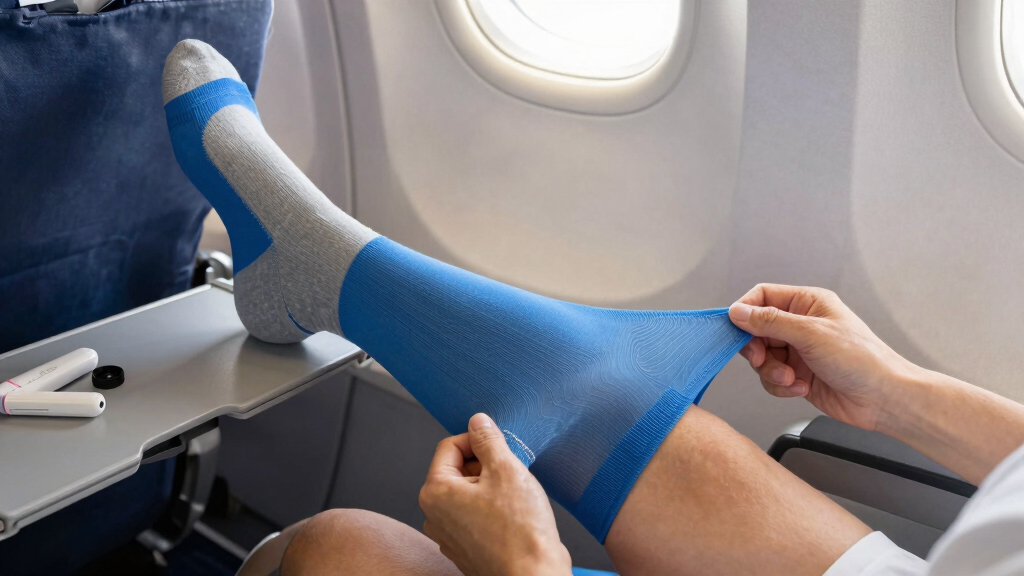
Compression socks are specially designed stockings that squeeze your legs with graduated pressure — tightest at the ankle, gradually loosening up the calf and thigh. This gentle pressure encourages blood to flow upward, counteracting the effects of gravity during long periods of sitting. Imagine your blood as a river; compression socks act like a dam that keeps it flowing smoothly, preventing stagnation and swelling.
For travelers, this means less leg puffiness, reduced fatigue, and potentially a lower risk of blood clots. Take Sarah, a frequent flyer who notices her legs swell after four hours in economy class. She started wearing compression socks, and now her legs stay firm and comfortable, even after eight hours on the plane. That’s because these socks help maintain circulation when movement is limited.
As an affiliate, we earn on qualifying purchases.
Do Compression Socks Actually Prevent Blood Clots During Flights?
Yes, compression socks can lower the risk of blood clots, especially in high-risk groups. They aren’t foolproof but are recommended by health authorities for certain travelers. According to the World Clock Site, studies show they can reduce the risk of deep vein thrombosis (DVT) by about 30-50% in susceptible individuals.
For example, if you have a history of blood clots, pregnancy, or are over 60, wearing compression socks during long flights is a smart move. However, they shouldn’t replace other precautions like staying hydrated or walking around every couple of hours. Think of them as part of a toolkit — not a magic shield.
graduated compression stockings 8-15 mmHg
As an affiliate, we earn on qualifying purchases.
As an affiliate, we earn on qualifying purchases.
How to Choose the Right Compression Socks for Flying
- Measure your legs accurately — use a tape to find the circumference at your ankle, calf, and thigh.
- Select the correct compression level — 8-15 mmHg for most travelers, 20-30 mmHg if you have medical needs (prescription required).
- Pick a comfortable style — knee-highs are most common, but thigh-high or pantyhose options work too.
- Try them on before your trip — ensure they’re snug but not painfully tight.
For example, a traveler with minor varicose veins might choose a pair of 15 mmHg compression socks. They’ll feel snug without cutting off circulation, making those long hours more bearable.
breathable compression socks for travel
As an affiliate, we earn on qualifying purchases.
As an affiliate, we earn on qualifying purchases.
Are Modern Compression Socks Comfortable for Long Flights?
Many travelers find that newer compression socks are surprisingly comfortable — thanks to seamless designs and moisture-wicking fabrics. No more itchy, bulky stockings. Instead, think smooth, breathable material that feels like a second skin.
Take John, who hates tight socks but needs them for his flights. He now wears a lightweight pair with flat seams, and they stay comfortable for hours. Proper fit is key — too loose, and they won’t work; too tight, and they’ll cause discomfort.
compression socks for long flights
As an affiliate, we earn on qualifying purchases.
As an affiliate, we earn on qualifying purchases.
Comparison: Over-the-Counter vs. Prescription Compression Socks
| Feature | OTC Compression Socks | Prescribed Compression Socks |
|---|---|---|
| Compression Level | 8-15 mmHg (mild) | 20-30 mmHg or higher |
| Availability | Over the counter at drugstores or online | Require a doctor’s prescription |
| Fit & Comfort | Varies; easier to try on | Custom fit; more precise sizing |
| Cost | Generally cheaper | More expensive, due to customization |
When Should You Wear Compression Socks During a Flight?
The best practice? Start wearing them before you board, and keep them on until after you arrive. Especially during long stretches of sitting. If your flight lasts over 6 hours, change into fresh socks halfway through if possible. Movement is key — but compression socks give you extra support when you can’t move much.
For instance, Lisa, a nurse who flies weekly, always wears hers from takeoff to landing. She notices her legs stay firm and reduces swelling, even after hours in economy class.
What Are the Limitations and Risks of Compression Socks?
While helpful, compression socks aren’t magic. Ill-fitting socks can cause skin irritation or restrict blood flow. They’re not suitable for everyone — especially if you have peripheral artery disease or skin infections.
For example, if you wear the wrong size, you might end up with numbness or bruising. Always follow the sizing guides and consult a healthcare provider if you have health issues. Think of them as a tool that works best when used correctly.
Frequently Asked Questions
Do compression socks really prevent blood clots on flights?
They can help lower the risk, especially for high-risk individuals, but they don’t guarantee prevention. Staying active, hydrated, and avoiding prolonged immobility remain essential.How do I know which compression level to choose?
For most travelers, 8-15 mmHg is sufficient. If you have a medical condition or higher risk, consult a doctor for a prescription for 20-30 mmHg or higher.When should I wear compression socks during my flight?
Start wearing them before takeoff and keep them on until after landing, especially during long periods of sitting. Change into fresh socks if possible halfway through.Are compression socks comfortable for long flights?
Many find modern designs comfortable thanks to seamless construction and breathable fabrics. Proper fit is vital to avoid discomfort.Can I wear compression socks if I have circulation issues?
Yes, but always check with your healthcare provider first. They can recommend the right compression level and ensure it’s safe for your specific condition.Conclusion
Compression socks can be a smart addition to your travel kit, especially on those marathon flights. They won’t turn a long journey into a breeze, but they make a tangible difference for your legs and overall comfort. Remember: proper fit and consistent use are your best allies.
Next time you pack, consider whether a pair might help you land feeling fresher. After all, a little support can go a long way — especially when your legs are begging for relief after hours in the sky.