
TL;DR

Get travel and outdoor gear delivered free with Prime
- Fast, free delivery on millions of items
- Prime Video, Amazon Music and more included
- Member-only deals all year
Type C, G, and I are the most common travel plugs, each with unique designs and regional use. Using the right adapter and understanding voltage compatibility keeps your devices safe and functional during trips.
Always verify if your device is dual voltage before plugging in abroad.
Carry a universal travel adapter supporting multiple plug types and USB-C ports.
Type C is the most common in Europe, but don’t forget regional plugs like G and I for other countries.
Safety features like fuses and surge protection are worth the extra investment.
Check regional socket standards before you travel to avoid last-minute surprises.
Type C: The Classic European Power Plug You Need to Know
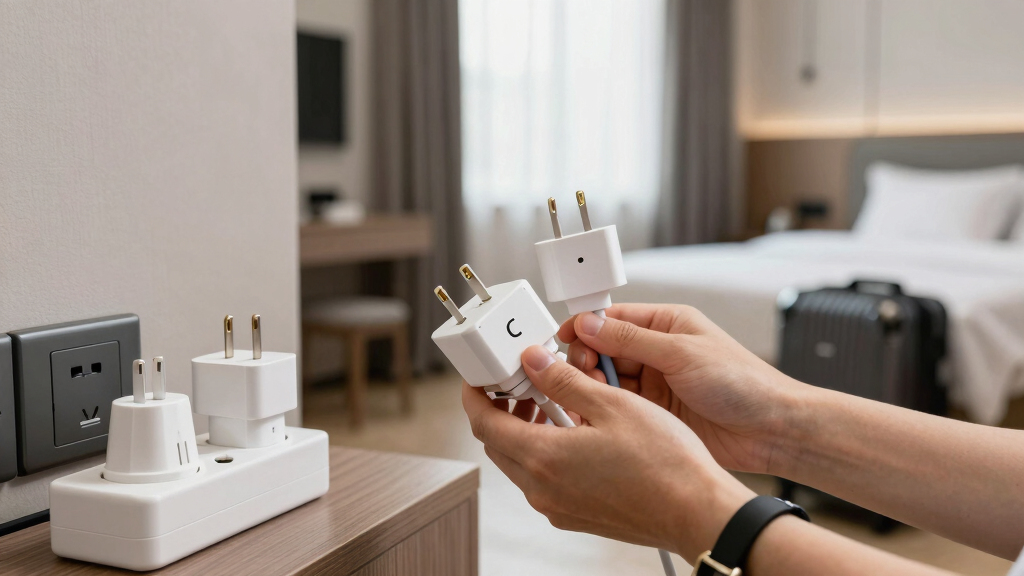
Type C plugs are the most common across Europe, parts of Asia, and Africa. They feature two round pins, roughly 4mm in diameter, spaced about 19mm apart. Imagine a tiny, sturdy bridge connecting your device to the socket. They’re tiny and versatile, fitting into many sockets, but not all—especially not the UK or Australia.
Travelers often encounter Type C in countries like France, Germany, and Spain. If you’re traveling from North America, your Type A or B plug won’t fit without an adapter. But, if your device supports dual voltage (most modern chargers do), you’re set—just need the right plug converter. An example? A European hostel socket might happily accept your Type C charger, but the UK-style outlet won’t.
Understanding why this matters: Type C’s widespread use makes it a common point of confusion. Relying solely on your device’s compatibility without knowing the plug type can lead to power interruptions or damage. The tradeoff is that while Type C is versatile and lightweight, it often lacks built-in safety features like grounding, which can be a concern for high-power devices. Recognizing this helps you decide when a simple plug adapter suffices versus when you need additional safety measures, especially for sensitive electronics.
universal travel power adapter with USB-C
As an affiliate, we earn on qualifying purchases.
As an affiliate, we earn on qualifying purchases.
Type G: The British Powerhouse with Safety Features
Type G is the familiar plug from the UK, with three rectangular prongs arranged in a triangle. Think of it as a sturdy, well-guarded gate. It includes a fuse and a ground pin, designed for high safety standards. If you’ve traveled to the UK, Ireland, or some Middle Eastern countries, you’ve seen this beast.
Traveling from the US or Canada? Expect to need a Type G adapter. These plugs handle higher power loads safely—great if you’re plugging in a hairdryer or a laptop charger in a London hotel. The design’s safety features can feel like a small fortress compared to other plugs.
Why does this matter? The safety features in Type G are not just about preventing shocks—they also protect your devices from power surges and overloads. This is especially critical in regions where power quality can vary. The tradeoff is that Type G sockets are bulkier and less universal, requiring more careful matching of your adapter to avoid loose connections, which can be a fire hazard if not properly fitted. Recognizing these safety considerations ensures you choose an adapter that not only fits but also protects your devices effectively.
Type C European travel plug adapter
As an affiliate, we earn on qualifying purchases.
As an affiliate, we earn on qualifying purchases.
Type I: The Aussie Standard with a V-Shaped Pin
Type I plugs are the Australian and New Zealand staple. They feature two flat, angled pins forming a V and a third grounding pin. Picture a wide-open mouth with two teeth—those are the flat pins. It’s compact, safe, and designed for regions with a voltage standard of 220-240V.
Travelers heading to Sydney or Auckland will find these sockets common. If you’re coming from Europe or North America, a Type I adapter becomes your best friend. Many modern travel adapters now support multiple plug types, including I, making life easier.
Understanding the implications: The V-shaped pins and grounding pin are designed for safety, reducing the risk of electric shocks. The region’s high voltage standards mean your devices need to be compatible or protected by a proper adapter. The tradeoff is that Type I sockets can be less common outside their regions, so relying solely on them limits flexibility. Recognizing these design features helps you select the right adapter and prevent potential electrical mishaps—like short circuits or equipment damage—during your travels.
Type G UK travel power adapter with fuse
As an affiliate, we earn on qualifying purchases.
As an affiliate, we earn on qualifying purchases.
How to Choose the Right Adapter: 4 Simple Steps
- Check your destination’s socket type—Type C, G, or I. Use reliable resources or travel guides.
- Verify your device’s voltage and frequency. Look at the charger label—most modern devices support 100-240V.
- Select an adapter that supports your plug type and has built-in safety features like fuses and surge protection. This ensures your devices are protected against power fluctuations and overloads, which are common in unfamiliar regions.
- Consider an adapter with USB ports, especially USB-C, to charge multiple devices at once. This is a practical tradeoff—saving space and ensuring you can power everything from phones to tablets efficiently.
For example, if you’re traveling from the US to Australia, you’ll need a Type I adapter. But if you’re heading to Europe, a Type C or a universal adapter will do the trick. Understanding these choices ensures you avoid accidental damage and power interruptions, which can be costly and inconvenient.
multi-region travel plug converter
As an affiliate, we earn on qualifying purchases.
As an affiliate, we earn on qualifying purchases.
Comparison Table: Type C, G, and I at a Glance
| Feature | Type C | Type G | Type I |
|---|---|---|---|
| Design | Two round pins | Three rectangular prongs | Two flat V-shaped pins + ground |
| Regions | Europe (most), parts of Asia, Africa | UK, Ireland, Malta, Malaysia, Singapore | Australia, New Zealand, Papua New Guinea, Argentina |
| Safety Features | Basic | Fuse, grounding | Grounding, safety shutters |
| Voltage | 220-240V | 220-240V | 220-240V |
Safety Tips & Common Mistakes to Avoid
- Always check if your device is dual voltage. If not, use a voltage converter, not just an adapter.
- Buy certified adapters—cheap knockoffs can be dangerous.
- Never force a plug into a socket. If it doesn’t fit, get the right adapter.
- Beware of overloading adapters—use safety features like fuses and surge protection.
- Supervise children around outlets and adapters—small, sharp prongs can be hazardous.
For example, a traveler in Thailand might assume a universal adapter covers everything. But if their device isn’t dual-voltage, plugging in without a converter risks blowing the charger or worse. Recognizing the importance of safety features and proper use can prevent electrical mishaps that could damage your devices or cause injury.
Your Travel Power Kit: What to Pack for Smooth Power
Think of your travel power kit as your power passport. It should include a universal or regional-specific travel adapter, a voltage converter if needed, and a surge protector. Don’t forget USB-C cables and chargers—these are essential for quick, efficient power.
For example, a travel blogger heading to multiple countries might pack a single universal adapter with USB-C ports, covering Type C, G, and I sockets. This saves space and hassle—no need to carry multiple chargers.
Understanding the implications of your kit contents: A well-chosen power kit doesn’t just keep your devices charged; it ensures safety and compatibility across regions. Using an adapter with surge protection and checking your device’s voltage support can prevent costly damages. The tradeoff is that a comprehensive kit might be bulkier or pricier, but the peace of mind it offers is invaluable for frequent travelers.
Frequently Asked Questions
Do I need a voltage converter or just an adapter?
Most modern devices are dual voltage, so an adapter is enough. Check your charger’s label—if it says 100-240V, you only need a plug adapter. If not, you’ll need a voltage converter to prevent damage.
Can I use a universal travel adapter for all countries?
Yes, if it supports the specific plug types and voltage standards of your destinations. Look for one with multiple plug attachments and safety features for peace of mind.
Are all Type G sockets the same?
Most Type G sockets are similar, but some variations exist. Always double-check your adapter compatibility before plugging in in the UK or Ireland.
What if I want to charge multiple devices at once?
Choose an adapter with built-in USB ports, preferably USB-C for fast charging. This simplifies your setup and keeps your devices powered without carrying multiple chargers.
Is it safe to leave devices plugged in overnight?
When using certified adapters and devices, it’s generally safe. Follow manufacturer instructions and avoid overloading outlets or adapters to minimize risks.
Conclusion
Knowing your plug types transforms travel headaches into simple planning. Carry the right adapter, and you’ll stay powered without a hitch. It’s a small step that makes a big difference—so get familiar with Type C, G, and I before your next adventure. Power up confidently, wherever you go.Halloween Picks
halloween
As an affiliate, we earn on qualifying purchases.