
TL;DR

Get travel and outdoor gear delivered free with Prime
- Fast, free delivery on millions of items
- Prime Video, Amazon Music and more included
- Member-only deals all year
Sleeping on a plane can be easier with a proven routine. From choosing the right seat to managing noise and light, small adjustments lead to big improvements in your rest and jet lag recovery.
Flying long distances often feels like battling a restless night in a tiny, noisy box. But what if sleeping on a plane wasn’t just a hope but a routine you could master? Whether you’re crossing continents or just trying to catch a few hours before a big meeting, learning how to sleep on a plane can make your trip much less exhausting.
This guide walks you through a step-by-step routine to turn your cramped, bright cabin into a cozy rest zone. From pre-flight prep to in-flight tricks and post-landing tips, you’ll get practical advice tested by seasoned travelers. Ready to arrive refreshed, no matter how long the flight?
Select a window seat near the wings for less turbulence and fewer disturbances.
Use a combination of neck pillows, eye masks, and noise-canceling headphones to create a sleep-friendly environment.
Recline your seat and control cabin lighting to mimic a cozy bedroom setting.
Timing your sleep with your destination’s time zone helps reduce jet lag.
Follow a consistent routine for in-flight rest to turn sleeping on a plane into a predictable, manageable activity.
Choose Your Perfect Seat Before You Fly
The first step to sleeping well on a plane starts with seat selection. A window seat isn’t just about views; it’s your best bet for a peaceful nap. You’ll have support for your head and less movement from fellow passengers. Plus, you can control the window shade to block out light.
Look for seats near the wings or over the wing area—these tend to experience less turbulence, making it easier to stay asleep. Avoid seats near bathrooms or galleys, which get noisy and busy. Remember: your comfort choices now set the stage for better rest later.
As an affiliate, we earn on qualifying purchases.
Gear Up with Comfort and Sleep Accessories
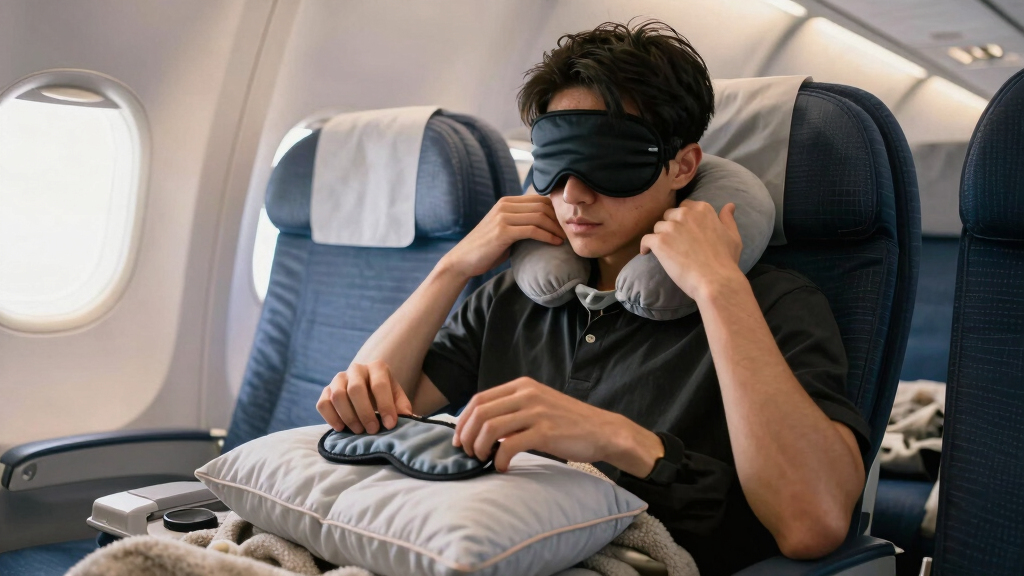
Nothing beats a good neck pillow and an eye mask to create your personal sleep cocoon. A neck pillow supports your head and prevents awkward positions that wake you up. An eye mask blocks out cabin lights, turning the cramped cabin into your quiet night.
Earplugs or noise-canceling headphones are game changers—drown out engine hum, chatter, and announcements that can disturb your sleep. Bring these essentials in your carry-on, and test them before the flight to find the most comfortable fit.
noise cancelling headphones for travel
As an affiliate, we earn on qualifying purchases.
As an affiliate, we earn on qualifying purchases.
Adjust Your Seat and Environment for Sleep
Once settled, recline your seat as far as comfort allows—about 20-30 degrees is ideal for many. Use your pillow to support your neck and back. Cover yourself with a light blanket or scarf if the cabin is chilly.
Control the cabin environment as much as possible: close the window shade, turn off overhead lights, and use your sleep accessories to block out distractions. Think of this as creating a mini bedroom in the sky.
As an affiliate, we earn on qualifying purchases.
Manage Light and Noise to Fall Asleep Faster
Light and noise are your biggest enemies when trying to sleep on a plane. Use your eye mask to block out glare, and put in earplugs or noise-canceling headphones. If fellow passengers are noisy, gently ask them to lower their voices or turn off screens.
Playing calming sounds or white noise through headphones can drown out engine noise and chatter. Apps offering sleep playlists or nature sounds can help your brain relax and drift off.
Understanding why light and noise are so disruptive is key: they interfere with your body’s natural sleep signals, making it harder to fall asleep and stay asleep. Managing these elements effectively can significantly shorten the time it takes to nod off and improve the quality of rest you get mid-flight.
As an affiliate, we earn on qualifying purchases.
Time Your Sleep for Jet Lag-Free Arrival
Strategic timing is key. Aim to align your sleep with your destination’s time zone. If it’s nighttime at your destination, try to sleep during the flight. If it’s daytime, stay awake and get sunlight upon arrival to reset your internal clock.
If you’re crossing multiple zones, consider using melatonin supplements or light exposure to help your body adapt faster. Planning your sleep schedule before takeoff can save you from feeling groggy upon landing.
Choosing when to sleep is a tradeoff: sleeping during the flight might mean arriving rested but could also cause you to miss local evening cues, delaying your adjustment. Conversely, staying awake might help you sync faster but could lead to fatigue. Weighing these tradeoffs carefully based on your destination and schedule is crucial. For example, if arriving early morning, sleeping en route can help you start fresh, but if arriving late at night, staying awake might help you adjust faster to local time. Understanding these tradeoffs helps you make the best decision for your body’s rhythm, minimizing jet lag and fatigue.
Use a Step-by-Step Routine to Maximize Rest
Follow this simple routine for each flight:
- Choose your window seat early.
- Pack your sleep essentials—neck pillow, eye mask, earplugs.
- Recline and adjust your environment once seated.
- Block out light and noise.
- Stay hydrated, avoid caffeine, and consider a light snack.
- Set an alarm or timer if you plan a specific sleep window.
This routine turns in-flight rest into a predictable part of your travel, reducing stress and improving sleep quality. Consistency in following these steps helps your body recognize sleep cues, making it easier to fall asleep and stay asleep during each flight, ultimately leading to more restorative rest and less fatigue upon arrival.
Post-Flight Tips for Fully Resetting Your Body Clock
Once you land, expose yourself to natural light as soon as possible. This helps your body sync with local time. Keep meals aligned with local hours, and resist the urge to nap excessively during the day.
Gradual adjustments, plus outdoor walks and hydration, speed up your recovery from jet lag. Think of it as giving your internal clock a gentle push in the right direction.
Being mindful of your schedule and exposure to natural cues helps your body adapt more quickly, reducing fatigue and disorientation. This proactive approach ensures you arrive feeling more refreshed and ready to enjoy your destination.
Frequently Asked Questions
How can I fall asleep quickly on a noisy, bright plane?
Use earplugs or noise-canceling headphones along with an eye mask. Recline your seat, and consider playing calming sounds to drown out engine noise and chatter. Creating a dark, quiet space helps your brain relax faster.
What are the best travel sleep aids?
Neck pillows, eye masks, and earplugs are simple, effective aids. For more help, some travelers use natural supplements like melatonin, but always check with a healthcare provider first.
Should I try to sleep during the flight or stay awake?
It depends on your destination and schedule. If arriving in the morning, try to stay awake and get sunlight. If it’s nighttime, aim to sleep. Strategic napping can reduce fatigue and jet lag.
How do I avoid jet lag after crossing multiple time zones?
Adjust your schedule before departure, expose yourself to natural light at appropriate times, and consider melatonin supplements. Staying hydrated and eating local meals upon arrival also helps reset your internal clock.
Are sleep aids safe to use on planes?
Use medications cautiously and consult a healthcare professional. Natural aids like melatonin tend to be safer, but always consider your health history and avoid overuse.
Conclusion
Sleeping on a plane isn’t about luck — it’s about setting yourself up for success. With the right seat, gear, and routine, you can turn those cramped hours in the sky into a restorative nap.
Next time you fly, remember: comfort, environment, and timing are your best friends. Your future self will thank you for the effort.
Halloween Picks
halloween
As an affiliate, we earn on qualifying purchases.