
TL;DR

Get travel and outdoor gear delivered free with Prime
- Fast, free delivery on millions of items
- Prime Video, Amazon Music and more included
- Member-only deals all year
Earplugs and headphones significantly reduce airplane noise, but their effectiveness varies. Passive devices block sound physically, while active noise-canceling headphones use electronics to cancel low-frequency hums. Combining both offers the best experience.
Ever been jolted awake by a sudden loud noise on a flight, or struggled to find peace amid the roar of engines? You’re not alone. Noise is one of the biggest discomforts during air travel, and understanding what actually blocks it can make a big difference.
In this guide, you’ll learn how earplugs and headphones work, what recent tech developments mean for your in-flight silence, and practical tips to maximize your noise reduction. Because a quieter flight isn’t just about comfort — it’s about preserving your hearing and making your journey more bearable.
Active noise-canceling headphones can cut engine noise by approximately 20-40 dB, especially effective against low-frequency sounds.
Combining passive earplugs with ANC headphones offers the best noise reduction and comfort during flights.
Proper fit is essential—loose devices leak sound and reduce effectiveness.
Recent tech improvements have made ANC devices lighter, more affordable, and more comfortable for frequent flyers.
Always remove noise-canceling devices during safety instructions and emergencies to stay aware of your environment.
What kind of noise do planes make, and why is it so loud?
Planes roar with a mix of engine noise, airflow, and cabin equipment — typically hitting 70 to 85 dB inside the cabin. That’s loud enough to cause hearing damage if you’re exposed for hours. For example, a jet engine at takeoff can reach 140 dB outside, but inside, the constant hum is around 80 dB, similar to heavy city traffic.
Passenger movement and conversations add to the cacophony, but the engines and airflow are the main culprits. Think of it like a constant background drone that’s hard to ignore, especially on long flights.
Understanding these sources helps you pick the right gear to block them out effectively.
noise cancelling airplane headphones
As an affiliate, we earn on qualifying purchases.
As an affiliate, we earn on qualifying purchases.
How do earplugs and headphones actually block out noise?
Ear protection works in two main ways: physical blocking and electronic cancellation. Passive noise reduction devices like foam or silicone earplugs create a seal in your ear canal, reducing sound by about 20-30 dB. They’re simple, cheap, and portable.
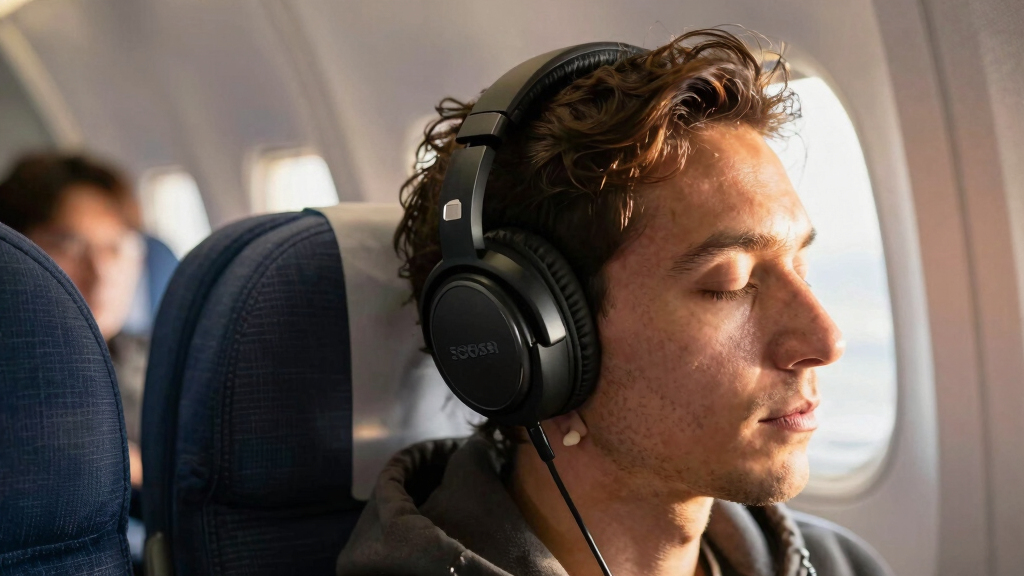
Active noise-canceling headphones use microphones to pick up ambient sound, then generate anti-noise signals to cancel it out — especially effective against low-frequency engine hum. These headphones can reduce noise by roughly 20-40 dB, depending on the model and fit.
But why does this matter? Because the way these devices work impacts your experience. Passive earplugs are limited to physically blocking sound, which is effective but can be uncomfortable or less effective if not fitted properly. Active headphones, on the other hand, electronically cancel out consistent, low-frequency noise, making it feel as if the engine hum has been turned down or muffled. The tradeoff? Active noise cancellation can sometimes reduce awareness of important sounds, like safety announcements, unless you use transparency modes. Choosing between them depends on your priorities—whether you prefer a physical barrier or electronic noise reduction—and understanding their limitations helps you optimize your comfort and safety.
As an affiliate, we earn on qualifying purchases.
What recent tech makes noise-canceling headphones better for flying?
Recent advances have made ANC headphones more effective and user-friendly. Brands like Sony, Bose, and Apple now offer models with improved microphones and processors that cancel low-frequency sounds more reliably.
Some come with hybrid features—combining passive ear cushions with active tech—for extra comfort and noise reduction. Custom-fit earplugs, created with 3D scanning, also boost effectiveness by ensuring a perfect seal.
Wireless designs mean less clutter and more convenience, while built-in microphones allow calls and voice commands without removing your headphones.
These technological improvements mean that even in noisy environments like airplanes, you can enjoy a peaceful experience comparable to being in a quiet room. The better noise cancellation not only improves comfort but also reduces fatigue and stress caused by constant noise exposure. However, it’s important to note that no technology is perfect—some sounds, especially sudden or high-pitched noises, may still be heard, so understanding the limits helps you set realistic expectations and choose the right device for your needs.
active noise cancelling headphones for travel
As an affiliate, we earn on qualifying purchases.
As an affiliate, we earn on qualifying purchases.
How effective are different noise-blocking devices? A quick comparison
| Device Type | Approximate Noise Reduction | Best For |
|---|---|---|
| Foam Earplugs | 20-30 dB | Silent sleep, blocking sudden loud sounds |
| Silicone Earplugs | 20-30 dB | Comfortable long-term wear, travel |
| Passive Headphones/Earmuffs | 10-20 dB | Additional barrier, comfort |
| Active Noise-Canceling Headphones | 20-40 dB | Consistent low-frequency noise, music or calls |
While earplugs are cheap and effective, ANC headphones shine against engine drone. Combining passive and active methods provides the best overall noise reduction, but it’s important to consider the tradeoffs: comfort, convenience, and safety. For example, using earplugs alone might be less comfortable for long periods, while active headphones might block out too much ambient sound, potentially causing safety issues. Recognizing these tradeoffs helps you tailor your approach for maximum benefit and safety during flights.
earplugs and headphones combo for flights
As an affiliate, we earn on qualifying purchases.
As an affiliate, we earn on qualifying purchases.
Tips to get the most noise reduction on your next flight
- Choose well-fitting earplugs or headphones — a loose fit lets sound leak in, reducing effectiveness and possibly causing discomfort.
- Use a combination: wear earplugs under ANC headphones for maximum effect, leveraging both physical and electronic noise reduction.
- Ensure a snug seal; even slight gaps reduce noise reduction by half, which can significantly impact your experience.
- Consider custom-fit earplugs for better comfort and sealing if you fly often, as they provide consistent performance and reduce fatigue.
- Remove devices during safety announcements and emergency procedures to stay aware and responsive, as relying solely on electronic devices can sometimes impair situational awareness.
- Maintain your gear — clean your ear protection regularly to prevent infections and ensure optimal performance, especially on long trips where prolonged use is common.
Can noise-blocking devices interfere with safety or health?
Yes, improperly used devices can cause issues. Overuse or poor fit may lead to discomfort or minor ear infections. To keep safe, remove ear protection during safety announcements and emergencies. This ensures you remain alert and aware of important instructions, which is critical in maintaining safety during your flight.
Additionally, some ANC headphones can block out essential sounds like alarms or safety instructions. Many now include transparency modes that allow ambient sounds to pass through, but understanding how and when to use these features is vital. Always follow manufacturer guidelines, and don’t use devices if you experience pain or dizziness, as these can indicate improper fit or overuse, which might harm your ears over time. Recognizing the balance between noise reduction and situational awareness is key to maintaining both safety and health.
Frequently Asked Questions
What type of ear protection is best for flying?
It depends on your preference and needs. Earplugs are inexpensive and effective for blocking sudden loud sounds, while ANC headphones excel at reducing steady engine noise and adding entertainment options. Combining both often yields the best results.
Do noise-canceling headphones block all sounds?
No, they significantly reduce ambient noise but don’t eliminate it. Sudden loud sounds or high-frequency noises might still be heard, especially if the fit isn’t perfect or the device isn’t powerful enough.
Are there safety concerns with wearing noise-canceling devices on planes?
Generally safe if used properly. However, overuse or poor fit can cause discomfort or minor ear issues. Always remove devices during safety instructions or emergencies, and follow manufacturer guidelines for safe use.
Can ANC headphones interfere with hearing announcements?
Yes, active noise cancellation can block out important sounds. Many models now include transparency modes that let you hear ambient noise when necessary, so you stay aware of announcements and safety instructions.
Are there health risks from long-term use of ear protection?
If used improperly or without proper hygiene, ear protection can cause infections or discomfort. Regular cleaning and correct fit are key to safe, long-term use, especially for frequent travelers.
Conclusion
Understanding what actually blocks airplane noise helps you choose the right gear for your journeys. While no device can make a jet cabin completely silent, combining the right passive and active tools makes a huge difference.
Next time you board, imagine slipping on your favorite noise-canceling headphones—blocking out the chaos, and giving your ears a break. Because sometimes, silence really is golden.
Halloween Picks
halloween
As an affiliate, we earn on qualifying purchases.