TL;DR

Get travel and outdoor gear delivered free with Prime
- Fast, free delivery on millions of items
- Prime Video, Amazon Music and more included
- Member-only deals all year
Long flights demand preparation, smart choices, and good habits. Staying hydrated, moving regularly, and using the right gear can make all the difference in comfort and jet lag recovery.
Long-haul flights can feel like a marathon—exhausting, uncomfortable, and draining. Yet, with the right prep and mindset, you can arrive feeling fresh and ready to go. No gimmicks—just proven tips to make your journey smoother and less stressful.
From choosing the best seat to beating jet lag, this guide covers everything you need for a better flight. Think of it as your travel toolkit—packed with practical hacks, recent tech updates, and honest advice from seasoned travelers.
Choose your seat wisely: aisle for accessibility, window for views, or extra legroom for space.
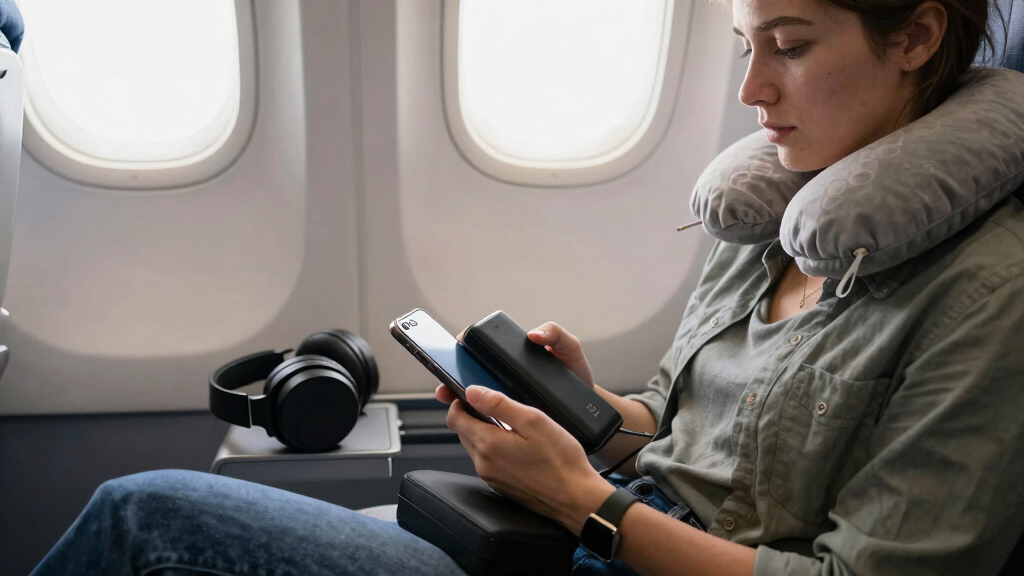
Pack essential comfort items—noise-canceling headphones, eye masks, and hydration gear—to improve sleep and well-being.
Hydrate consistently and avoid alcohol or caffeine to prevent dehydration and jet lag.
Move regularly—stretch, walk, wear compression socks—to drastically cut DVT risk.
Use natural light and adjust your sleep schedule before departure to beat jet lag faster.
How to Pick the Best Seat for Comfort and Convenience
Your seat choice can significantly influence your comfort and overall experience during a long flight. For instance, an aisle seat offers easy access to walk around and bathroom breaks, which can reduce discomfort and help prevent stiffness. Conversely, window seats provide a view and a wall to lean against, aiding sleep and relaxation. Proximity to exits or galleys can also impact your convenience—closer to these areas means less disturbance from other passengers and quicker access to amenities. Additionally, sitting near the wings can reduce turbulence, leading to a steadier ride, which is especially valuable during rough flights. Airlines now offer options for extra legroom or lie-flat seats, especially in premium cabins, which can turn a cramped journey into a restful experience. Choosing the right seat involves balancing your priorities—whether it’s ease of movement, views, or comfort—and understanding how these choices can influence your physical comfort and mental ease throughout the flight.
Beyond just comfort, your seat can affect your health and mental state. For example, being near the restroom or galleys means more noise and disturbances, which can disrupt your rest. Conversely, sitting in a quiet, less trafficked area might help you relax better. Weighing these factors based on your personal needs—such as whether you prioritize sleep, work, or quick access—can significantly enhance your overall experience, reducing stress and fatigue upon arrival.
noise-canceling headphones for travel
As an affiliate, we earn on qualifying purchases.
As an affiliate, we earn on qualifying purchases.
Packing Essentials That Actually Make a Difference
- Noise-canceling headphones — These are essential for blocking out engine noise and chatter, which can significantly improve your ability to rest or focus on entertainment. High-quality headphones reduce auditory distractions, enabling deeper sleep and mental relaxation, especially in noisy cabins. They can also help drown out crying babies or loud conversations, which are common frustrations on long flights, thereby reducing stress and making it easier to relax or sleep.
- Eye masks and earplugs — Creating a dark, quiet environment helps your body recognize it’s time to sleep, regardless of external lighting or noise. This is crucial for maintaining circadian rhythms and reducing fatigue. When your body perceives darkness and silence, it releases melatonin, the sleep hormone, which promotes rest. Using these tools consistently can help you simulate a nighttime environment, even when the cabin is brightly lit or noisy, making it easier to fall asleep and stay asleep.
- Neck pillows and blankets — Proper support prevents neck strain and promotes comfortable naps, while blankets help regulate body temperature, which tends to fluctuate in the cabin environment. Good support reduces the likelihood of waking up with stiffness or pain, allowing for more restorative rest. A warm blanket can prevent chills and help maintain your core temperature, which is vital because the cabin environment can be surprisingly cold and dehydrating, both of which impair sleep quality.
- Hydration supplies — Carrying a refillable water bottle and electrolyte powders ensures you stay hydrated, which is vital for preventing dehydration-related fatigue and skin dryness. Proper hydration also aids in circulation and overall comfort, reducing the risk of headaches and cramps. Dehydration can impair cognitive function and mood, making your flight feel even longer. Electrolyte solutions replenish lost minerals, helping your body maintain balance during extended periods of immobility and dry cabin air.
- Healthy snacks — Nuts, dried fruit, or protein bars provide sustained energy and help stabilize blood sugar levels, preventing mood swings and hunger pangs that can disrupt rest. Eating balanced snacks instead of heavy or processed foods reduces bloating and discomfort, which can disturb sleep or cause fatigue. Having nutritious options on hand also minimizes reliance on airline food, which may be high in salt or preservatives and not aligned with your dietary needs.
Think of these items as your personal toolkit for comfort and health—they empower you to take control of your experience, reducing reliance on airline amenities that can be limited or inconsistent. Investing in these essentials can translate into better rest, less discomfort, and a more energized arrival.
compression socks for long flights
As an affiliate, we earn on qualifying purchases.
As an affiliate, we earn on qualifying purchases.
How to Stay Hydrated and Avoid Jet Lag
Maintaining proper hydration during a long flight is critical because the dry cabin air—often with humidity levels below 10%—can quickly dehydrate you, leading to fatigue, headaches, and skin issues. Drinking water regularly helps maintain blood volume and circulation, which are essential for feeling alert and preventing cramps or swelling. Hydration also supports the immune system, which can be compromised during travel. Avoiding caffeine and alcohol is equally important; while they might seem like quick fixes for fatigue or relaxation, they are diuretics that exacerbate dehydration and can interfere with your sleep cycles. Consuming these substances can lead to increased urination, dehydration, and disrupted sleep, hampering your recovery and adaptation upon arrival. To combat jet lag, exposure to natural light upon arrival is a proven method to reset your internal clock. Adjusting your sleep schedule a few days before departure—by going to bed and waking up an hour earlier or later depending on your destination—can also ease the transition. For example, arriving in Tokyo after an 11-hour flight, your body may still think it’s nighttime. Spending time outdoors in sunlight helps your circadian rhythm realign faster, reducing fatigue and sleep disturbances. Modern sleep aids like blackout masks and noise-canceling earbuds support better rest in the unpredictable environment of an aircraft cabin, ensuring you arrive more refreshed and ready to adapt to the local time zone. Recognizing the importance of hydration and light exposure as interconnected strategies helps you maintain your health and productivity during travel, minimizing the disruptive effects of jet lag and dehydration.
As an affiliate, we earn on qualifying purchases.
Frequently Asked Questions
How can I sleep better on a long flight?
Use an eye mask, noise-canceling headphones, and a neck pillow. Adjust your sleep schedule before departure and consider natural sleep aids like melatonin or herbal teas. Creating a dark, quiet environment helps your body relax despite the chaos of the cabin.
What are the best ways to prevent deep vein thrombosis (DVT)?
Stand and stretch every 1-2 hours, walk around when possible, wear compression socks, and stay well-hydrated. Avoid alcohol and caffeine, which can dehydrate you and increase DVT risk. Incorporating these habits into your routine helps keep blood flowing smoothly and reduces the risk of clots forming during long periods of immobility.
How do I deal with jet lag?
Expose yourself to natural light upon arrival, adjust your sleep schedule gradually before leaving, and stay active. Hydration and light meals also help your body adapt more quickly to the new time zone. Recognizing that jet lag involves circadian misalignment, these strategies help your internal clock realign faster, minimizing fatigue and disorientation.
What should I pack for comfort and convenience?
Bring noise-canceling headphones, an eye mask, a neck pillow, moisturizer, healthy snacks, and entertainment devices. These items make a huge difference in your comfort level and mental alertness, allowing you to rest better and stay entertained, which can significantly improve your overall travel experience.
Are there health considerations I should be aware of?
Consult your doctor if you have pre-existing conditions. Carry necessary medications, consider travel insurance, and inform yourself about health protocols—especially post-pandemic safety measures. Being proactive about your health ensures you can handle unforeseen issues and travel with peace of mind.
As an affiliate, we earn on qualifying purchases.
Conclusion
Long flights are a test of preparation and resilience. Small habits—like staying hydrated, moving often, and using the right gear—can turn a grueling journey into a manageable part of your adventure.
Remember, your comfort and health are within your control. Pack smart, stay active, and arrive ready to seize your destination—because the best trip begins the moment you step off that plane.
Halloween Picks
halloween
As an affiliate, we earn on qualifying purchases.