TL;DR

Get travel and outdoor gear delivered free — and shop member deals
- Fast, free delivery on millions of items
- Access to Prime Big Deal Days deals on October 6–7
- Prime Video, Amazon Music and more included
Measuring your luggage accurately before flying prevents costly surprises at the airport. Use a flexible tape for size, a reliable scale for weight, and always check airline policies first.
Ever arrived at the airport only to find your bag is too big or heavy? Frustrating, right? The secret to avoiding that hassle is simple: measure your luggage correctly before you leave home.
Knowing exactly how to measure your bags saves you time, money, and headaches. In this guide, you’ll learn the practical steps to get your luggage just right—no surprises, no stress.
Always measure your luggage with a flexible tape and weigh it with a reliable scale before heading to the airport.
Check your airline’s official size and weight limits online—rules vary widely between carriers.
Use packing tricks like rolling clothes and compression bags to maximize space and stay within limits.
Modern digital tools can help you avoid overweight fees—consider investing if you travel frequently.
Rearranging or removing items can often solve size or weight issues without extra cost.
Why Accurate Measurement Saves You Big Bucks and Time
Most airlines have strict size and weight limits. Exceed them, and you’ll face extra fees, delays, or even the embarrassing task of repacking in front of everyone.
For example, a checked bag exceeding 62 inches (157 cm) in total dimension can cost you between $50 and $200 extra. This can significantly inflate your travel costs unexpectedly. Furthermore, exceeding weight limits often results in last-minute repacking, which can delay your departure or cause you to shift belongings onto other bags, complicating your travel plans.
Measuring your luggage carefully helps you stay within these limits—saving money and preventing last-minute surprises that disrupt your travel schedule or cause inconvenience at the airport.
As an affiliate, we earn on qualifying purchases.
The Exact Tools You Need to Measure Your Luggage
To measure precisely, grab these:
- A flexible measuring tape—think sewing or tailor tape. It curves around corners and handles, providing accurate measurements even on irregular shapes, which are common with modern luggage designs. Using a stiff ruler isn’t practical for rounded or protruding parts, so a flexible tape ensures you don’t underestimate the size.
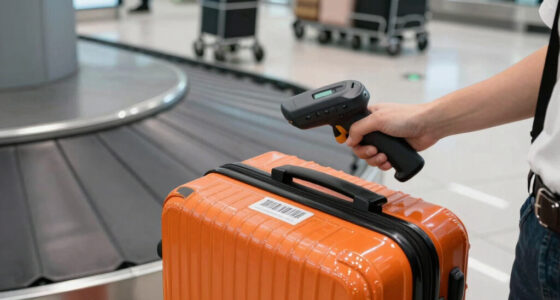
- A sturdy luggage scale—digital or analog, for weighing your bag. Accurate weight measurement is crucial because exceeding weight limits often incurs hefty fees or requires repacking. Knowing the weight beforehand allows you to redistribute items or remove non-essentials proactively, saving time and money at the airport.
- Optional: a mirror or a second person to help measure hard-to-reach spots, ensuring no dimension is overlooked. This is especially useful for larger suitcases where reaching all sides can be tricky, and precise measurement impacts whether your luggage fits within airline limits.
For example, a digital luggage scale can tell you if your bag weighs 48 pounds (21.8 kg) versus the airline limit of 50 pounds, instantly alerting you to make adjustments before heading to the airport. Being precise with both size and weight prevents last-minute surprises and ensures compliance with airline policies, which can vary and sometimes be stricter than general guidelines.
flexible measuring tape for luggage
As an affiliate, we earn on qualifying purchases.
As an affiliate, we earn on qualifying purchases.
Step-by-Step: How to Measure Your Luggage in 3 Easy Moves
- Lay your bag flat or stand it upright. Use the measuring tape to record length, width, and height—measure around wheels, handles, and protrusions if needed. Accurate measurements should include all parts that can add to the overall size, as some airlines measure the entire bag including handles and wheels. This comprehensive approach ensures you won’t be caught off guard by airline measurement policies that include these parts.
- For example, measure the length from the base to the top handle, width across the widest point, and height from the base to the top of any wheels or handles. Remember, some airlines specify whether they measure the bag with or without handles, so check their policies. Being aware of these nuances helps you pack more efficiently and avoid re-measuring or repacking at the last minute.
- Weigh your bag with a luggage scale. Distribute contents evenly to get an accurate weight. Consider packing as you normally would to get a realistic assessment of size and weight, since empty measurements won’t reflect your actual travel load. If your bag is over the limit, this step allows you to make informed decisions about what to remove or redistribute.
Pro tip: Measure your bag as if packed—don’t just rely on empty dimensions. This approach gives you a true picture of what to expect at check-in, helping you avoid surprises, additional fees, or the inconvenience of repacking at the airport. Precise measurement is about understanding how your luggage behaves when fully loaded, which is critical for smooth travel.
checked luggage size measurement tool
As an affiliate, we earn on qualifying purchases.
As an affiliate, we earn on qualifying purchases.
What Airline Size and Weight Limits Really Are (And Why They Matter)
| Type of Bag | Typical Size Limit | Typical Weight Limit |
|---|---|---|
| Carry-On | 22 x 14 x 9 inches (56 x 36 x 23 cm) | 15-22 pounds (7-10 kg) |
| Checked Bag | Total dimensions around 62 inches (157 cm) | 50 pounds (23 kg) |
Remember: These are averages. Always check your airline’s official website for the latest rules. Some low-cost carriers are stricter, while others might be more lenient. Understanding these limits helps you plan your packing strategy better, potentially avoiding costly re-packing or fees at the airport. Recognizing the specific limits also allows you to optimize your packing—using compression bags or strategic organization—to maximize space without risking extra charges. Being aware of these details can make the difference between a smooth check-in and last-minute scrambling, especially if you’re close to the limits.
As an affiliate, we earn on qualifying purchases.
How to Handle Bags That Are Just a Bit Too Big or Heavy
If your luggage exceeds limits, don’t panic. Here’s what to do:
- Rearrange items—shift some into a carry-on if possible. This not only helps you stay within limits but also makes your bag more manageable and easier to handle during transit.
- Remove non-essentials or wear bulky items like jackets to reduce weight. Sometimes, wearing your heaviest clothing during travel can save you from overweight fees, especially if you’re just a few pounds over the limit. This strategy ensures you don’t have to leave behind items you might need or want.
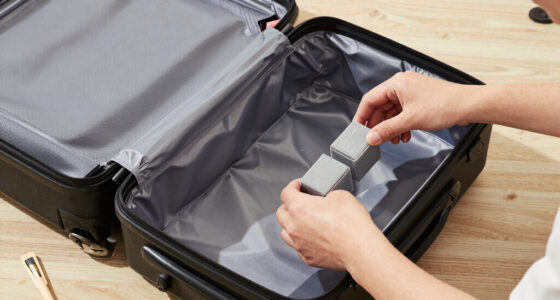
- Use a different bag or get a compression bag to shrink your packing. These options give you flexibility and can prevent you from paying extra fees or having to repack at the last minute. Compression bags, in particular, can help maximize space and reduce overall size, making it easier to fit within airline restrictions.
For example, switching from a checked bag to a carry-on can save you hundreds in fees if your checked bag is over the limit. Small adjustments like these can make a big difference, especially if you’re close to the limit. Remember, strategic packing and weight distribution often provide the easiest solutions, avoiding unnecessary costs and hassle at the airport.
Are Digital and Smart Luggage Tools Worth the Extra? Here’s the Deal
Digital luggage scales and smart bags with built-in sensors can make your life easier. They beep or alert you when your bag’s close to the limit, so there’s no guesswork. This immediate feedback helps prevent accidental overpacking, which can save you from costly overweight fees or needing to repack at the airport.
For instance, a smart suitcase with an integrated digital scale can notify you before you even get to the check-in counter, allowing you to make quick adjustments. This proactive approach reduces stress and streamlines your travel experience. While these tools may cost more upfront, they often pay for themselves by helping you avoid fees and saving time, especially if you travel frequently or carry valuable or fragile items that require careful packing.
In short, investing in digital and smart luggage tools can be a worthwhile decision for frequent travelers. They provide real-time insights, reduce guesswork, and help you stay within limits, making your journeys more predictable and less stressful.
Quick Tips to Pack Smarter and Stay Within Limits
- Roll clothes instead of folding—save space and reduce wrinkles. This method not only maximizes packing efficiency but also helps you fit more into your luggage without increasing size or weight. Rolling can also help you better distribute weight and keep items organized.
- Wear your bulkiest shoes and clothes during travel. This reduces the load inside your bag and can make the difference between fitting everything or having to leave items behind. It’s a practical way to maximize space while staying within limits.
- Use packing cubes to organize and compress items. Proper organization prevents overpacking and makes it easier to access essentials without unpacking everything. Compression cubes can also help reduce the overall volume of your packed items.
- Double-check your measurements before heading out. Confirm that your packed luggage still complies with airline limits after packing adjustments, avoiding surprises at the airport. This final check ensures your packing strategies are effective and that you’re prepared for security and check-in procedures.
For example, rolling clothes not only saves space but also helps prevent wrinkles, allowing you to pack more efficiently and comfortably. These simple tips, when combined, significantly improve your packing efficiency, reduce stress, and help ensure your luggage stays within airline limits, leading to a smoother travel experience.
Frequently Asked Questions
How do I measure my luggage accurately?
Use a flexible measuring tape to record length, width, and height, including wheels and handles if allowed. Weigh your bag with a reliable luggage scale, ensuring it stays within airline limits. Pack as you normally would for a realistic estimate.
What are the standard size and weight limits for carry-on and checked bags?
Most airlines limit carry-ons to about 22 x 14 x 9 inches (56 x 36 x 23 cm) and 15-22 pounds (7-10 kg). Checked bags usually have a total dimension limit of around 62 inches (157 cm) and a weight cap of 50 pounds (23 kg). Always verify specific airline policies.
Can I use a regular tape measure, or do I need a special tool?
A standard flexible tape measure works perfectly. For weighing, a digital luggage scale provides faster, more accurate results. Both are affordable and widely available at travel stores or online.
What should I do if my luggage exceeds the size or weight limit?
Try rearranging items, removing non-essentials, or wearing bulky clothing to reduce weight. If still over, shift some items into a carry-on or consider a different bag. Sometimes, a quick repack is all it takes.
Are there any apps or digital tools to help measure luggage?
Yes, several apps and gadgets can assist. Some digital scales connect to your phone, and smart luggage with built-in sensors can send alerts. These tools are especially handy for frequent travelers.
Conclusion
Taking a few minutes to measure your luggage accurately can save you hundreds of dollars and hours of frustration. Think of it as a small investment in peace of mind for a smoother trip.
When your bag fits perfectly, your journey begins with less stress—and more confidence. So, grab that tape, step on the scale, and get packing with purpose.
Fall Picks
fall essentials
As an affiliate, we earn on qualifying purchases.