
TL;DR
A ‘lifetime’ warranty on luggage often doesn’t mean forever. It usually covers defects, not damage from wear, accidents, or airline handling. Reading the fine print is essential to knowing what you’re truly protected for.
When you see a luggage brand boasting a lifetime warranty, it’s tempting to imagine a product that will last forever. But in reality, these warranties often hide a web of fine print and limitations. If you’re a frequent traveler or someone who invests in quality gear, understanding what lifetime coverage truly means can save you headaches and money.
In this guide, you’ll learn how to decode warranty language, what brands actually stand behind their promises, and how recent trends are shifting the landscape. Knowing the real scope of these warranties helps you pick luggage that’s worth the extra investment—and avoid surprises when repairs are needed.
Always read the fine print—’lifetime’ doesn’t mean forever, and coverage varies widely.
Most warranties exclude damage from misuse, accidents, or airline mishandling.
High-end brands like Tumi or Briggs & Riley offer more comprehensive lifetime coverage, but check specifics.
Recent trends focus on repairability, transparency, and sustainability, benefiting consumers.
Register your luggage immediately and keep detailed records to streamline warranty claims.
Luggage Warranties Compared: What Lifetime Coverage Really Means
A “lifetime” warranty rarely means every dent, tear, broken wheel, or airline incident is covered forever. Most policies protect against manufacturing defects, while excluding normal wear, misuse, accidents, and carrier damage.
The promise is big. The coverage is often narrow.
Before paying more for premium luggage, decode whether the warranty matches how you actually travel.
What “Lifetime” Usually Covers
Most lifetime luggage warranties are limited promises: they cover defects in materials or workmanship for as long as the original purchaser owns the bag, not every kind of travel damage.
Manufacturing defects
Broken zippers, handles, wheels, frames, or structural failures may qualify when the issue traces back to materials or workmanship.
Airline handling
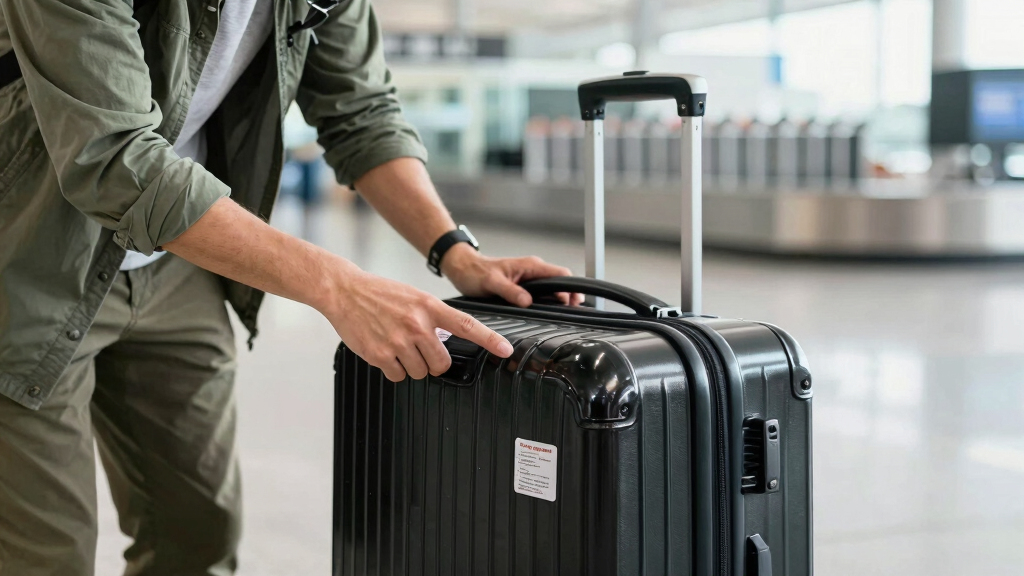
Dents, cracked shells, torn fabric, and damage from rough transit are often treated as carrier responsibility, not warranty responsibility.
Proof and process
Receipts, serial numbers, registration, photos, and authorized repair centers can determine whether a claim moves quickly or stalls.

Amazon Basics 21" Hardside Carry-On Luggage with Spinner Wheels, Expandable for Up to 25% More Space, Scratch-Resistant Hard Shell, Telescoping Handle, Black
CARRY-ON DESIGN: Best for 1-5 day trips without the hassle of checking luggage; measures 14.8 x 10 x…
As an affiliate, we earn on qualifying purchases.
As an affiliate, we earn on qualifying purchases.
Coverage Reality Check
The strongest warranties tend to emphasize repairability and service. The weakest ones use lifetime language while narrowing coverage through exclusions.
Where lifetime promises shrink
Over 70% of so-called lifetime luggage warranties exclude damage caused by misuse, accidents, or normal wear, making the exact scope more important than the headline claim.
Premium can be worth it, but only with specifics
High-end brands such as Tumi and Briggs & Riley often offer broader repair support, yet coverage still depends on model, ownership, claim rules, and exclusions.
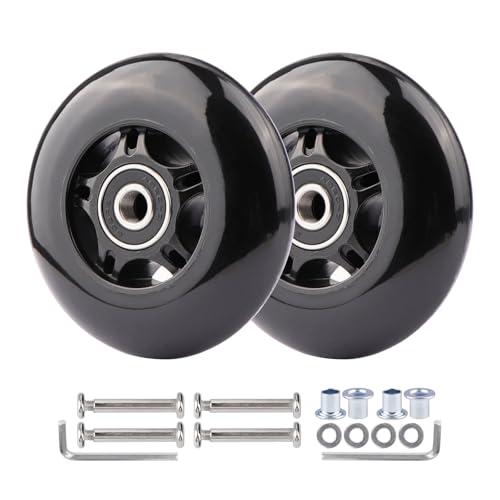
WHEELGOO 2-Pack PU Luggage Suitcase Replacement Wheels Repair Kit w/ABEC-7 Bearings and 6mm Axles for Trolley Carry-on Roller Travel Bag (76 * 24mm)
76*24mm Durable PU Material: The wheels are made of high-quality polyurethane (PU), offering durability, wear-resistance, and smooth rolling…
As an affiliate, we earn on qualifying purchases.
As an affiliate, we earn on qualifying purchases.
Fine Print Comparison
Compare the warranty language by what it actually promises, what it excludes, and what you must do to keep your claim valid.
| Warranty area | Budget limited policy | Premium lifetime policy | What to verify |
|---|---|---|---|
| Manufacturing defects | ~ May cover select parts | ✓ Commonly covered | Materials, workmanship, model eligibility |
| Airline damage | ✗ Usually excluded | ~ Sometimes serviceable, often excluded | Carrier claim rules and repair options |
| Normal wear | ✗ Rarely covered | ~ Functional parts may be repaired | Cosmetic versus functional damage |
| Proof of purchase | ✓ Often required | ✓ Often required | Receipt, registration, serial number |
| Transferability | ✗ Commonly original owner only | ~ Brand-specific | Owner lifetime versus product lifetime |

Samsonite Freeform Hardside Carry-On Luggage with Spinner Wheels – Hardshell Suitcase – TSA, Airline-Approved – Expandable Hard Shell, Smooth Rolling Wheels for Lightweight Travel – Sage Green
21" SPINNER LUGGAGE maximizes your packing power and meets most carry-on size restrictions for those traveling domestically and…
As an affiliate, we earn on qualifying purchases.
As an affiliate, we earn on qualifying purchases.
Five-Step Warranty Decode
Use this sequence before checkout. The goal is to move from marketing language to practical coverage you can actually use.
Scope
Does it cover defects only, or accidental damage too?
Exclusions
Look for airline handling, misuse, wear, and cosmetic damage.
Conditions
Check receipts, registration, photos, and authorized repair rules.
Duration
Lifetime may mean product life, owner life, or a limited term.
Transfer
Non-transferable coverage may reduce resale or gift value.
Warranty Strength Spectrum
luggage with comprehensive lifetime coverage
As an affiliate, we earn on qualifying purchases.
As an affiliate, we earn on qualifying purchases.
Trends Changing the Warranty Landscape
Recent developments are pushing brands toward clearer terms, easier claims, digital registration, and repair-first service models that reduce waste.
What benefits consumers
- Online claim portals and faster service workflows
- QR codes or digital registration for authenticity
- More transparent wording shaped by consumer protection pressure
What still needs scrutiny
- Whether airline damage is excluded
- Whether fabric, linings, and cosmetic damage qualify
- Whether repairs are free, discounted, or replaced with store credit
Know Before You Buy
A well-understood warranty means fewer surprises and longer-lasting gear. Choose the bag whose coverage fits your travel style, not just the one with the loudest lifetime promise.
Ask about airline damage
If you check bags often, prioritize brands with clear repair paths for wheels, handles, shells, and transit-related damage.
Favor repairability
Repair-first policies support sustainability and can keep premium luggage useful for years beyond a basic replacement cycle.
Keep records from day one
Register the bag, save receipts, photograph serial numbers, and keep repair correspondence in one place.
What Does ‘Lifetime Warranty’ Really Cover? Think Beyond the Promise
“Lifetime warranty” sounds simple—your luggage is covered for life, right? Not quite. It usually means the manufacturer promises to repair or replace parts if they break due to manufacturing defects. But damage from misuse, accidents, or airline handling often isn’t included.
Understanding what this coverage means in practical terms is crucial. For example, if a zipper breaks after years of normal use, a comprehensive warranty might cover repairs. However, if your luggage gets dented or torn during a rough flight, most warranties will not consider that a defect. This distinction matters because many travelers assume ‘lifetime’ covers all kinds of damage, which can lead to disappointment and unexpected expenses. Recognizing these limitations allows you to set realistic expectations and decide if the brand’s warranty aligns with your travel style. Essentially, the warranty often protects against manufacturing flaws, which are defects in materials or workmanship, but not against the wear and tear or accidental damage that occurs in everyday use. This tradeoff means that even the most premium luggage isn’t invincible, and understanding these boundaries helps you avoid costly repairs or replacements that aren’t covered.
How to Spot the Fine Print and Know What’s Truly Covered
Warranty language can be tricky. Here’s a simple step-by-step to decode the terms:
- Check the scope: Does it cover only manufacturing defects or all types of damage? Knowing this helps you understand if accidental or airline-induced damage is included, which is often not the case.
- Read the exclusions: Are damages from airline mishandling, misuse, or accidents excluded? This is vital because many warranties explicitly state they do not cover damage caused by external forces or improper use—something common in travel.
- Note the conditions: Is proof of purchase required? Do repairs need to be done through authorized centers? These details can significantly impact how easily you can claim repairs or replacements when needed.
- Understand the duration: Does ‘lifetime’ mean the lifetime of the product, the owner, or just the warranty period? For example, some warranties are only valid for the original owner or for a certain number of years despite the term ‘lifetime.’
- Verify transferability: Can the warranty be transferred if you sell or gift the luggage? Transferable warranties can add value if you decide to resell your gear later, but many are non-transferable, limiting their usefulness.
For instance, a brand may advertise ‘lifetime coverage,’ but if they only repair hardware like handles and zippers, fabric tears or cosmetic damages are excluded. Reading the small print and understanding these nuances can prevent you from assuming full protection where it doesn’t exist, ultimately saving you frustration and money.
Applying Your Knowledge: Making Smarter Choices When Buying Luggage
Now that you understand the nuances of warranties, how can you apply this knowledge to your shopping decisions? First, prioritize brands known for transparency and comprehensive coverage, such as Tumi or Briggs & Riley, which often include repairs for functional parts and cosmetic damages within their lifetime warranties.
Second, always read the warranty documentation carefully before purchasing. Look for specifics about what damages are covered, any exclusions, and transferability. Don’t hesitate to contact customer service if anything is unclear. Third, consider the type of travel you do most often. If you’re rough on your luggage or frequently fly with luggage mishandling, look for brands that explicitly cover accidental damages or offer repair services for cosmetic issues.
Finally, maintain good records of your purchase, register your warranty, and keep receipts. This preparation ensures that when repairs are needed, you’re ready to make a claim smoothly, saving time and avoiding unnecessary costs.
Conclusion: Know Before You Buy
When choosing luggage with a lifetime warranty, don’t just chase the promise—dig into what’s actually covered. A well-understood warranty means fewer surprises and longer-lasting gear.
Remember, a sturdy bag is worth the investment, but only if you know the real scope of your protection. Next time you buy, ask yourself: does this warranty truly match my travel style?
Conclusion
When choosing luggage with a lifetime warranty, don’t just chase the promise—dig into what’s actually covered. A well-understood warranty means fewer surprises and longer-lasting gear.
Remember, a sturdy bag is worth the investment, but only if you know the real scope of your protection. Next time you buy, ask yourself: does this warranty truly match my travel style?