
TL;DR
Listen free for 30 days with Audible
Thousands of audiobooks and originals — cancel anytime.
Start your free trialAs an affiliate, we earn on qualifying purchases.
A single, organized packing system for four suitcases cuts packing time in half, balances weight, and reduces travel stress. Standardized lists and tools keep everyone on track for a hassle-free trip.
Ever felt like packing for a family trip turns into a chaotic scramble? You’re not alone. Creating one smooth, organized system for four suitcases transforms chaos into calm. It’s not about packing less—it’s about packing smarter, faster, and with less stress.
This guide will walk you through building a unified packing method that works for everyone. From choosing the right tools to organizing clothes, you’ll learn real-world tips to keep things simple, efficient, and stress-free on your next adventure.
Create a shared, detailed packing checklist for all family members to follow.
Use color-coded or labeled packing cubes for quick, organized access to everyone’s belongings.
Distribute weight evenly across suitcases to avoid overweight fees and make carrying easier.
Pack versatile, layered clothing suited for different climates to reduce the number of suitcases needed.
Leverage technology like shared apps or documents to coordinate and track packing efforts.
One system.
Four suitcases.
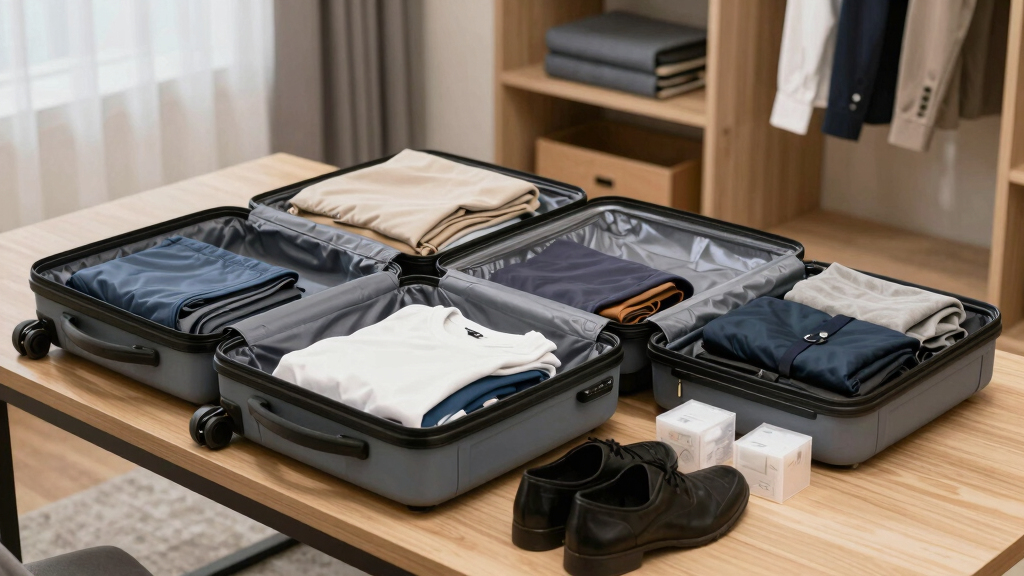
Replace the pre-trip scramble with a shared checklist, clearly assigned packing cubes, balanced bag weights, and versatile clothing. The goal is not simply to pack less—it is to make every item visible, accountable, and easy to move.
With one standardized family-wide packing routine.
One master list coordinates four individual suitcases.
Shared essentials plus clearly personalized space.
Standardize the decisions before opening a suitcase.
A universal checklist makes packing predictable. Everyone works from the same categories, checks off their own items, and can see what is still missing without relying on memory.
One shared checklist
Organize the master list into clothing, toiletries, electronics, documents, snacks, and destination-specific gear.
Digital document or printable sheet · one owner per itemVisible ownership
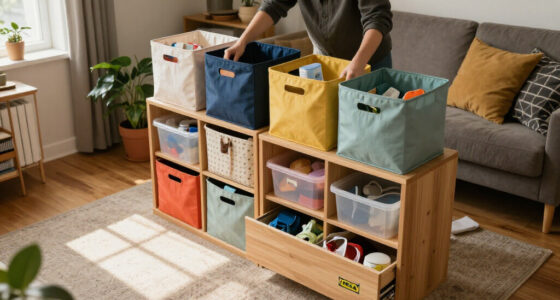
Give each traveler a color or label. Separate shirts, underwear, sleepwear, and accessories so items stay findable after arrival.
Durable · breathable · labeled · multi-compartmentShared tracking tools
Use a collaborative app or document for real-time updates. Add a travel scale and clear toiletry bags to remove airport surprises.
Checklist + cube labels + travel scale + clear pouchesMove every item through the same five-stage chain.
The system works because it creates traceability. Each decision has an owner, every packed item has a destination, and every suitcase receives a final weight check.
Plan together
Review climate, activities, duration, and individual needs.
Assign owners
Put a name beside every personal and shared item.
Sort into cubes
Group by person, clothing type, and access priority.
Balance bags
Shift dense items until suitcase weights are similar.
Close the list
Verify documents, medicines, chargers, and carry-ons.
Measure the two pressures that create last-minute chaos.
A structured system reduces repeated decisions while even weight distribution limits physical strain, rushed airport repacking, and the risk of overweight baggage fees.
Packing-effort index
Illustrative comparison of effort as organization improves. A unified system can reduce packing time by up to half.
Four-bag balance check
Weigh after the first pack, then redistribute heavy items before the final close.
Compare the tradeoffs, then build a family-specific hybrid.
No single method fits every household. The strongest default combines shared standards with enough personalized space for age, comfort, health, and activity needs.
| Strategy | Organization | Flexibility | Setup effort | Best use |
|---|---|---|---|---|
| All-in-one system | ✓Simple and consistent | ~Less room for individual routines | ✓Low once standardized | Short trips and families who value speed |
| Personalized cubes | ✓Clear ownership | ✓Strong personal fit | ~More labeling and discipline | Children packing independently |
| Minimalist packing | ✓Low volume | ✕Fewer outfit options | ~Needs careful planning | Mobile trips and limited luggage |
| Hybrid system | ✓Shared core standards | ✓Personalized exceptions | ✓Moderate, repeatable setup | Most families and mixed itineraries |
Legend: ✓ strong fit · ~ conditional tradeoff · ✕ meaningful limitation
Use four rules to prevent bulk, duplication, and forgotten essentials.
Every category needs a packing rule. These constraints make decisions faster while leaving room for destination-specific gear and genuine individual needs.
Build a layerable capsule
Choose neutral, versatile pieces that can be mixed, repeated, dressed up, or adapted to changing weather.
- Lightweight sweater or thermal layer
- Moisture-wicking base pieces
- Compact rain or sun protection
Share the common items
Use clear, labeled bags and travel-sized containers. Eliminate duplicate shampoo, body wash, and other shared products.
- Keep medicines and critical items accessible
- Separate liquids to contain spills
- Refill containers before every trip
Create one digital inventory
Track completion in a shared app or document so changes are visible and no one assumes someone else packed the charger.
- Assign chargers and adapters by name
- Save documents for offline access
- Complete a final battery check
Give everyone a defined role
Children can check cubes, adults can verify documents and medicine, and one person can own the final scale check.
- Respect individual comfort needs
- Review exceptions together
- Reset the system after returning home
One organized system for four suitcases can cut packing time by up to 50%. Standardize the list, label every cube, balance every bag, share common items, and pack versatile layers. The result is faster preparation, easier handling, and less travel stress.
Start with a Shared Packing List Everyone Uses
The foundation of a family packing system is a universal checklist. Think of it as your road map—clear, concise, and agreed upon by all. This list ensures no one forgets essentials, and everyone packs what they need.
For example, before a recent trip, I sat down with my family. We created a list with categories: clothing, toiletries, electronics, and snacks. Each person checked off items as they packed, reducing last-minute panic and missing essentials.
Use digital tools or print a shared checklist. This way, everyone can add or modify their items in real time, making packing predictable and less stressful.

Reginary 28 Pcs Packing Cubes for Travel, 4 Set Organizer,Light Color
- 28-Piece Set: Includes 4 sets with 7 sizes each
- Variety of Sizes: Large, medium, small, and specialized bags
- Durable Material: Made of lightweight, waterproof nylon
As an affiliate, we earn on qualifying purchases.
As an affiliate, we earn on qualifying purchases.
Choose the Right Packing Cubes to Keep Everything Organized
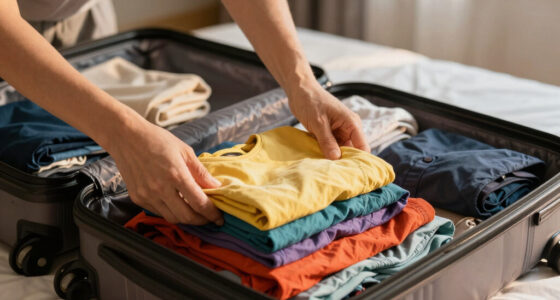
Using packing cubes is a game-changer. They turn a jumble of clothes into neat, accessible bundles. Label each cube with a family member’s name or color-code them for quick identification.
For instance, I use red cubes for my kids’ clothes, blue for mine, and green for toiletries. When unpacking, everything for each person is in one place, saving time and frustration.
Opt for durable, breathable fabrics with multiple compartments. This makes it easier to categorize items—shirts, underwear, pajamas—and keeps everything tidy throughout the trip.
Investing in quality packing cubes means less time spent digging through your luggage and more time enjoying your trip. The tradeoff is that they can be an upfront expense, but the convenience they provide often outweighs the cost, especially for frequent travelers.

Cambond Compression Packing Cubes for Travel – 4 Set Organizer, Multi-color
- Space-Saving Compression: Compress clothes by up to 50%
- Color-Coded Sizes: Easily identify and organize items
- Multiple Sizes for Versatility: Large, Medium, Small for different items
As an affiliate, we earn on qualifying purchases.
As an affiliate, we earn on qualifying purchases.
Create a System for Managing Weight and Space
Distributing weight evenly across suitcases is crucial not only for avoiding overweight baggage fees but also for reducing physical strain during travel. Unevenly packed bags can make lifting and carrying cumbersome, increasing the risk of injury or discomfort. Achieving balance ensures that each family member can handle their luggage with less effort, making the entire process smoother.
Start by weighing each bag before packing. Aim for similar weights for each suitcase, which allows for easier handling and prevents last-minute re-packing at the airport. Adjust packing as needed, shifting heavier items to lighter bags or redistributing clothing and toiletries accordingly.
Using a digital or travel-scale is a small investment that can save you from unexpected fees and physical strain. It also encourages mindful packing—considering what’s necessary versus what can be left behind—leading to more efficient travel preparations.
Balancing weight isn’t just about avoiding fees; it’s about creating a more manageable and less stressful travel experience. When each bag is within a reasonable weight, it reduces the physical effort required to transport luggage, which is especially important for families with children or those navigating stairs and uneven terrain.

Packing List – Note Pad (60 sheets)
- Categories Included: Basics, Clothes, Toiletries, Additional Items
- Note Sections: Date of Trip and Place
- Tearable Sheets: Portable and easy to carry
As an affiliate, we earn on qualifying purchases.
As an affiliate, we earn on qualifying purchases.
Compare Packing Strategies to Find What Fits Your Family Best
| Strategy | Pros | Cons |
|---|---|---|
| All-in-One System | Simple, consistent, easy to manage | Less flexibility for individual needs |
| Personalized Cubes | Tailored to each family member, clear organization | More setup time, potential for imbalance |
| Minimalist Packing | Light, versatile, faster packing | Limited outfit options, risk of running out of essentials |
Choosing the right approach depends on your family’s travel style. An all-in-one system simplifies management but may limit flexibility if family members have distinct needs. Personalized cubes can help each person take responsibility for their belongings and stay organized, but require initial setup and discipline to maintain. Minimalist packing reduces bulk and speeds up packing but demands careful planning and willingness to compromise on outfit variety. Recognizing these tradeoffs allows your family to select a strategy that balances convenience, individual needs, and packing efficiency. Often, a hybrid approach—using core shared items with personalized touches—strikes the best balance, allowing flexibility without sacrificing organization.
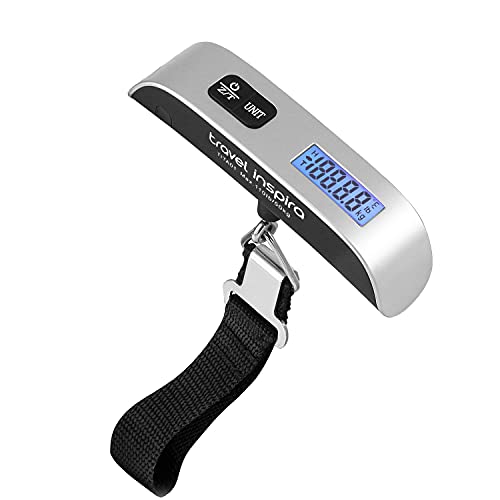
travel inspira Luggage Scale, Portable Digital Hanging Baggage Scale for Travel, Suitcase Weight Scale with Rubber Paint, 110 Pounds, Battery Included – Silver
- Stress-Free Travel: Prevents overweight baggage charges
- High Capacity: 110 lbs/50 kg weight limit
- Compact & Lightweight: Weighs only 3.5 ounces
As an affiliate, we earn on qualifying purchases.
As an affiliate, we earn on qualifying purchases.
Smart Packing for Different Climates and Trip Lengths
Always pack layering pieces—think lightweight sweaters, versatile pants, and moisture-wicking shirts. These clothing items are essential because they offer flexibility—they can be combined in multiple ways to adapt to changing weather or different activities. This approach reduces the number of total pieces needed, which directly impacts the size and weight of your luggage. The ability to mix and match saves space, minimizes the number of suitcases, and makes laundry easier during longer trips.
For example, during a two-week trip to Europe, I packed a few neutral tops, a sweater, and a versatile pair of pants. Each morning, my family rotated outfits that could be dressed up or down depending on the day’s plans. This method not only maximizes outfit options but also prevents overpacking, which is crucial for managing luggage weight and avoiding additional baggage fees. It’s especially valuable when traveling to destinations with unpredictable weather or multiple climates in one trip.
Include essential weather gear—compact rain jackets, thermal layers, or sun hats—based on your destination. Planning ahead avoids last-minute shopping or overpacking, and ensures everyone stays comfortable regardless of weather changes. Think about the specific climate and activities, and pack accordingly to avoid unnecessary bulk and weight, which can make travel more cumbersome and less enjoyable.
Manage Toiletries and Personal Items Without Overloading
Use clear, labeled toiletry bags with travel-sized containers. This keeps everything visible and easy to refill or replace, which is essential during security checks and for quick access. Prioritize essentials—such as toothbrushes, toothpaste, and minimal skincare—and consider sharing common items like shampoo or body wash to save space. Organizing toiletries in designated bags prevents spills and makes security checks faster, as items are easily accessible and identifiable. This method also encourages eliminating duplicates and unnecessary products, reducing overall weight and clutter in your luggage.
For instance, my kids each have their own small bag with toothpaste, toothbrush, and a few favorite skincare items. We rotate these through security and keep them in carry-on luggage. This approach not only speeds up security checks but also reduces the chance of forgetting items. Keeping toiletries organized ensures quick access and helps maintain a clutter-free packing space.
Remember to include essentials like medications, chargers, and a spare set of glasses or contacts. Regularly review and replenish supplies to prevent last-minute rushes. Consider sharing common toiletries among family members when possible, which further reduces redundancy and saves space. Good organization here can significantly streamline your packing process and make travel less stressful.
Avoid Common Packing Pitfalls That Waste Time and Space
Don’t overpack. Sticking to your checklist is crucial because overpacking not only makes your suitcases heavier and more cumbersome but also increases the risk of exceeding airline weight limits, which can result in costly fees or the need to repack at the last minute. Excess items can also cause clutter, making it harder to find what you need quickly and leading to frustration. Involving everyone in the packing process helps ensure that only necessary items are included. Kids can pack their own cubes, which teaches responsibility and helps them understand what they really need. Adults should double-check their essentials to avoid forgetting important items.
Additionally, avoid last-minute packing. Starting early and doing a trial pack days before your trip allows you to identify unnecessary items and gaps in your packing list. This proactive approach reduces stress, prevents rushing, and gives you time to make adjustments, ensuring a more organized and efficient packing experience. It also helps you avoid the common trap of packing items you don’t need simply because you’re in a hurry, which can add unnecessary weight and clutter to your luggage.
Use Technology to Coordinate and Track Your Packing Progress
Apps and shared documents make packing a team effort. Use checklists that everyone can update on their phone or tablet. This transparency ensures that all items are accounted for and allows family members to see what’s already packed, reducing duplication and last-minute scrambling. By tracking progress digitally, you can quickly identify missing items or areas where packing can be optimized, saving time and avoiding stress.
For example, I use a shared Google Doc with our packing list. Each family member marks off items as they pack, making last-minute surprises rare. This method fosters accountability and helps identify missing items early, preventing frantic searches right before departure. It also helps keep everyone aware of what’s left to pack and ensures that nothing gets overlooked in the chaos.
Some travel apps also offer packing checklists, reminders, and weight tracking—saving time and reducing anxiety. Integrating technology into your routine not only streamlines the packing process but also makes it more collaborative, ensuring everyone is on the same page and reducing the chances of forgetting important items or overpacking.
Frequently Asked Questions
How do I get everyone on board with a family packing system?
Involve everyone early. Explain how the system saves time and reduces stress. Make packing a team effort, and let kids pack their own cubes with guidance. Turning it into a game helps build buy-in.What if family members have different needs or preferences?
Customize within the system. For example, add personal items or special outfits to each person’s cube. The core packing list remains shared, but room for individual needs keeps everyone happy.How do I handle last-minute changes or emergencies?
Keep a master packing checklist accessible. Have a small emergency kit in your carry-on. Flexibility is key—be ready to adapt your packing plan as needed, especially for unexpected weather or activity changes.Conclusion
Adopting a single, organized packing system for four suitcases turns chaos into calm. It saves time, minimizes stress, and keeps your family focused on the fun part—the trip itself. Start small: craft that checklist, pick your organizational tools, and involve everyone.
As you pack smarter, you’ll find your trips more relaxed and enjoyable. Because at the end of the day, the best trip is the one where everyone feels prepared and ready to explore.
College move-in / dorm season Picks
dorm essentials
As an affiliate, we earn on qualifying purchases.