TL;DR

Get travel and outdoor gear delivered free with Prime
- Fast, free delivery on millions of items
- Prime Video, Amazon Music and more included
- Member-only deals all year
Packing for two climates in one trip is all about versatility and planning. Use layering, choose multi-purpose gear, and stay flexible to handle sudden weather changes without overloading your luggage.
Imagine arriving in a lush tropical beach resort only to find a chilly mountain town waiting for you. That’s the reality of multi-climate travel. The key isn’t just packing more — it’s packing smarter.
With careful planning, flexible clothing, and a few clever tricks, you can stay comfortable in both extremes without lugging around a mountain of gear. Let’s dive into how to make this work seamlessly for your next adventure.
Research each destination’s weather to pack appropriately and avoid overloading your luggage.
Layer clothing for maximum flexibility, focusing on lightweight, quick-drying, and versatile pieces.
Choose multi-purpose clothes and shoes that serve different climates and activities.
Use packing cubes and rolling techniques to organize and save space efficiently.
Stay updated with the latest travel gear and apps to make packing smarter and more sustainable.
Packing for Two Climates in One Trip
The goal is not to pack more. It is to build one adaptable system from lightweight layers, multi-purpose gear, and a plan for sudden weather changes.
Spot the climates before choosing the clothes.
A destination label such as “beach” or “mountain” is too broad. Record daytime highs, overnight lows, humidity, wind and rainfall. The difference between those conditions determines the layers your bag must support.
Warm daylight, freezing nights
A wide temperature swing calls for pieces that can be added or removed quickly without changing the entire outfit.
- Moisture-managing base layer
- Packable fleece or down vest
- Windproof and waterproof shell
Heat, moisture and sudden rain
Prioritize airflow and fast drying. Sun and rain protection should be light enough to stay in a day bag.
- Breathable quick-dry fabrics
- UV protection and foldable shade
- Compact rain layer or poncho
Layering turns three pieces into a weather dial.
The most useful wardrobe behaves like a set of building blocks. Each layer performs independently, then combines with the others when temperature, wind or rain changes.
Base
Moves moisture away from the skin and works alone in warm conditions.
Merino or quick-dry teeInsulate
Traps warmth without the space penalty of a single bulky coat.
Fleece or down vestProtect
Blocks wind and rain while remaining useful on breezy coastal walks.
Packable shellPack by utility, not by outfit.
Neutral colors, simple cuts and quick-drying fabrics increase the number of combinations in a small bag. The best pieces cross climates, settings and activity levels.
Convertible pants
Trail-ready trousers become shorts for the coast, replacing two specialized garments.
Merino shirt
Breathable alone in humidity and warm beneath insulation in mountain air.
Compact shell
One lightweight barrier covers tropical downpours, coastal wind and alpine rain.
| Choice | Hot climate | Cold layering | Quick drying | Best role |
|---|---|---|---|---|
| Merino blend | ✓ Strong | ✓ Strong | ~ Moderate | Base layer |
| Technical synthetic | ✓ Strong | ~ Moderate | ✓ Strong | Active travel |
| Light cotton | ~ Situational | ✗ Weak | ✗ Slow | Dry leisure days |
| Packable shell | ~ Rain only | ✓ Strong | ✓ Strong | Wind and rain |
| Bulky single-use coat | ✗ Poor | ✓ Warm | ✗ Slow | Leave behind |
Organize the bag around fast transitions.
A compact bag only works when the right layer is easy to reach. Divide gear by climate or function, roll flexible items and keep weather protection accessible.
Small safeguards, outsized comfort.
Accessories close the gaps between your main clothing layers. Choose compact, lightweight options that protect against sun, water, power problems and changing plans.
Weather protection
- Sun: foldable hat, sunglasses and high-SPF sunscreen
- Rain: compact shell, poncho or small umbrella
- Wind: shell with adjustable hood and cuffs
- Cold: light gloves and a packable warm layer
Travel technology
- Forecast: save both destinations in a weather app
- Power: carry a portable charger
- Access: pack the correct travel adapter
- Protection: use water-resistant cable storage
Smarter systems
- Modular: assign cubes by climate or activity
- Sustainable: favor durable, reusable gear
- Cultural: check local clothing expectations
- Flexible: leave a small capacity buffer
Trace every choice back to the forecast.
The strongest packing decisions form a connected system: conditions determine layers, layers determine versatility, and versatility reduces weight.
How to Spot the Climates and What That Means for Your Bag
The first step is understanding what each destination’s weather really looks like. Is it scorching sunny days and cool nights? Humid mornings and dry afternoons? Knowing the specifics helps you decide what to pack and what to leave behind.
For example, if you’re headed to a high-altitude mountain that dips below freezing at night but hits 75°F during the day, you’ll need layers that can be added or shed quickly. Conversely, a tropical beach might call for lightweight, moisture-wicking fabrics enough to keep you cool and dry.
This understanding is crucial because it influences your packing choices. Overpacking can lead to unnecessary weight, making travel cumbersome and expensive, especially with baggage fees. Underpacking, on the other hand, can leave you unprepared for sudden weather shifts, leading to discomfort or the need to buy expensive gear at your destination. Recognizing the specific patterns allows you to strike a balance—bringing just enough to adapt to the environment without excess.
As an affiliate, we earn on qualifying purchases.
Master the Art of Layering for Any Weather Surprise
Layering is your secret weapon. Think of your wardrobe as a set of building blocks — base layers, insulating layers, and waterproof shells. This way, a single piece can serve multiple purposes.
For instance, a lightweight merino wool shirt functions as a moisture-wicking base in humid climates and provides warmth when layered under a jacket in cooler mountain air. Pack a compact rain jacket that doubles as wind protection for breezy coastal walks.
Layering is strategic because it offers flexibility—allowing you to adjust your clothing to sudden weather changes quickly. For example, if a rainstorm hits unexpectedly, a waterproof shell can keep you dry without needing an entirely new outfit. Conversely, if temperatures drop suddenly, adding a fleece or down vest can keep you warm without bulky clothing. The tradeoff is that more layers can mean more packing complexity, but the benefits of adaptability outweigh this minor inconvenience, especially when traveling through unpredictable climates.
As an affiliate, we earn on qualifying purchases.
Choosing Versatile Clothes That Do Double Duty
When space is limited, pick clothes that work in multiple settings. Neutral colors, simple cuts, and quick-drying fabrics are your friends. Think a convertible dress that can be casual or dressy, or lightweight pants that turn into shorts.
For example, packing one pair of lightweight hiking pants that convert into shorts can save space and weight. A quick-drying T-shirt can be worn to a mountain climb or lounging on the beach.
These versatile pieces minimize what you carry while maximizing options.
Choosing multi-purpose clothing is a strategic move because it maximizes your luggage’s utility, reducing the need to pack multiple specialized items. However, the tradeoff might be sacrificing some style or comfort for functionality. For instance, a convertible pant might not be as fashionable as dedicated dressier options, but it’s a practical compromise for travel. The key is to select pieces that meet both your style preferences and functional needs, ensuring you’re prepared for various activities and climates without overloading your bag.
As an affiliate, we earn on qualifying purchases.
The Footwear Formula: Shoes for Every Terrain
Footwear is often overlooked, but it can make or break your comfort. Bring at least three pairs: hiking boots, sandals, and casual sneakers. Lightweight, quick-drying shoes are best for multiple environments.
Picture yourself trekking a mountain trail in sturdy boots, then slipping into sandals for a beach walk, and ending the day with casual sneakers for city exploration. Each pair serves a purpose, and packing them smartly avoids overloading your luggage.
The right footwear ensures safety, comfort, and practicality. Hiking boots provide support and protection on rugged terrain, sandals keep your feet cool and dry in hot weather, and sneakers are versatile enough for urban sightseeing. The tradeoff is space and weight—carrying all three can be cumbersome, so choosing lightweight, multi-purpose shoes can reduce bulk while still covering your needs. Prioritizing comfort and functionality over quantity is essential to avoid unnecessary luggage weight and ensure you’re prepared for diverse terrains.
As an affiliate, we earn on qualifying purchases.
Accessories and Gadgets to Stay Prepared and Protected
Accessories can transform your travel experience. Pack sun protection like hats, sunglasses, and high-SPF sunscreen for sunny climates. Include a compact umbrella or rain poncho for sudden downpours.
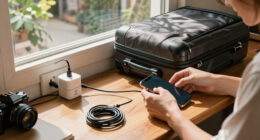
Don’t forget travel adapters, portable chargers, and a weather app on your phone. These small items can make big differences in comfort and convenience.
For example, a foldable hat keeps your face shaded during the hottest part of the day, while a rain jacket keeps you dry during unexpected showers.
The right accessories are crucial because they provide safety, comfort, and adaptability. Sun protection prevents sunburns and heatstroke, especially in exposed environments. Rain gear ensures you stay dry without bulky umbrellas, which can be inconvenient. Gadgets like weather apps help you anticipate changes, allowing you to plan your day effectively. The tradeoff is carrying extra items, but lightweight, multi-use accessories can minimize this burden while maximizing protection and convenience.
Packing Like a Pro: Techniques to Save Space and Stay Organized
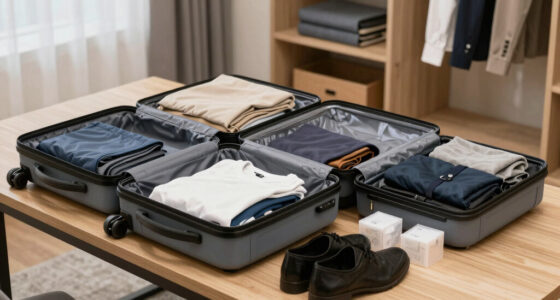
Efficient packing is about more than just stuffing clothes into your bag. Use packing cubes or compression bags to organize items by climate zone or activity. Rolling clothes helps reduce wrinkles and saves space.
Imagine packing your entire wardrobe for two climates into a carry-on — it’s possible with these tricks. Label compartments or color-code cubes for quick access.
For example, keep your warm layers in one cube and your lightweight clothes in another, so you can grab what you need without digging through everything.
Effective organization prevents overpacking, reduces stress, and makes it easier to find what you need quickly. The tradeoff is that packing cubes add some bulk, but their benefits in organization and space-saving generally outweigh this minor drawback. The key is to pack systematically, ensuring that each item has a designated place, which simplifies adjustments during your trip.
Latest Gear and Tech That Make Multi-Climate Packing Smarter
Recent innovations include climate-adaptive clothing with moisture-wicking, UV protection, and quick-drying fabrics. Tech apps help plan outfits based on local weather forecasts, reducing guesswork.
Smart packing cubes with built-in chargers or anti-theft features also exist. Sustainable options, like eco-friendly fabrics and minimal packing, are gaining popularity, reducing your luggage weight and environmental footprint.
For example, a lightweight, all-weather jacket with built-in UV protection can replace multiple layers, saving space and weight.
Understanding and utilizing the latest gear can significantly enhance your packing efficiency and comfort. These innovations are designed to reduce bulk, increase versatility, and improve overall travel experience. The tradeoff might be higher upfront costs, but the long-term benefits of lighter, smarter packing are often worth the investment.
Frequently Asked Questions
How do I pack light for two very different climates?
Focus on versatile, quick-drying clothes that can layer easily. Use packing cubes or compression bags to keep everything organized and compact. Prioritize items that serve multiple purposes, like convertible pants or all-weather jackets.
What are the must-have items for a trip with diverse weather conditions?
Bring a good rain jacket, a sun hat, moisture-wicking base layers, and a pair of sturdy, versatile shoes. Don’t forget a compact umbrella, sunscreen, and a set of layering pieces to adapt on the fly.
How can I adapt my wardrobe for sudden weather changes?
Opt for layering with lightweight, breathable fabrics. Pack a foldable waterproof shell and thermal layers if needed. Check weather forecasts often and plan to add or remove layers as conditions shift.
Are there specific clothing materials recommended for variable climates?
Yes. Merino wool, polyester, and nylon are excellent choices. They dry quickly, resist odors, and adapt well to both humid and dry environments. Avoid cotton, which traps moisture and takes longer to dry.
What are some examples of versatile clothing items that work in multiple climates?
A lightweight, UV-protective shirt that wicks moisture, convertible hiking pants, and a compact fleece vest are perfect. These items can handle a range of temperatures and weather conditions, saving space in your bag.
Conclusion
Mastering the art of packing for two climates means staying flexible, choosing wisely, and packing light. It’s about turning a potential chaos into a smooth, enjoyable adventure.
Remember, the goal isn’t just to fit everything — it’s to stay comfortable and prepared, no matter what the weather throws at you. Your next trip will be a breeze when you pack with purpose and a little bit of clever planning.
Halloween Picks
halloween
As an affiliate, we earn on qualifying purchases.