
TL;DR

Get travel and outdoor gear delivered free with Prime
- Fast, free delivery on millions of items
- Prime Video, Amazon Music and more included
- Member-only deals all year
eSIMs offer quick activation and flexibility, perfect for frequent travelers and tech-savvy users. Local SIMs often provide cheaper data plans but require physical purchase and setup. Your choice depends on device compatibility, trip length, and convenience preferences.
Imagine landing in a foreign country. Your phone lights up, ready to connect — no fuss, no waiting in line for a SIM card. That’s the promise of the eSIM. But is it always the best choice? Or does a traditional local SIM still hold its ground?
In this guide, you’ll learn the real differences, practical tradeoffs, and a few insider tips to make your next trip seamless. Whether you’re a remote worker hopping between countries or a vacationer who wants hassle-free data, understanding eSIM versus local SIM is your secret weapon for staying connected without surprises.
Verify if your device supports eSIM before planning your trip.
Use eSIMs for quick setup, especially if you need multiple plans or frequent travel.
Long-term stays often favor local SIMs for cost-efficiency and coverage.
Compare prices and plans from global eSIM providers to save money on short trips.
Stay flexible: a dual SIM device can give you both options for maximum convenience.
What Is an eSIM and Why It Might Be Your Best Travel Buddy
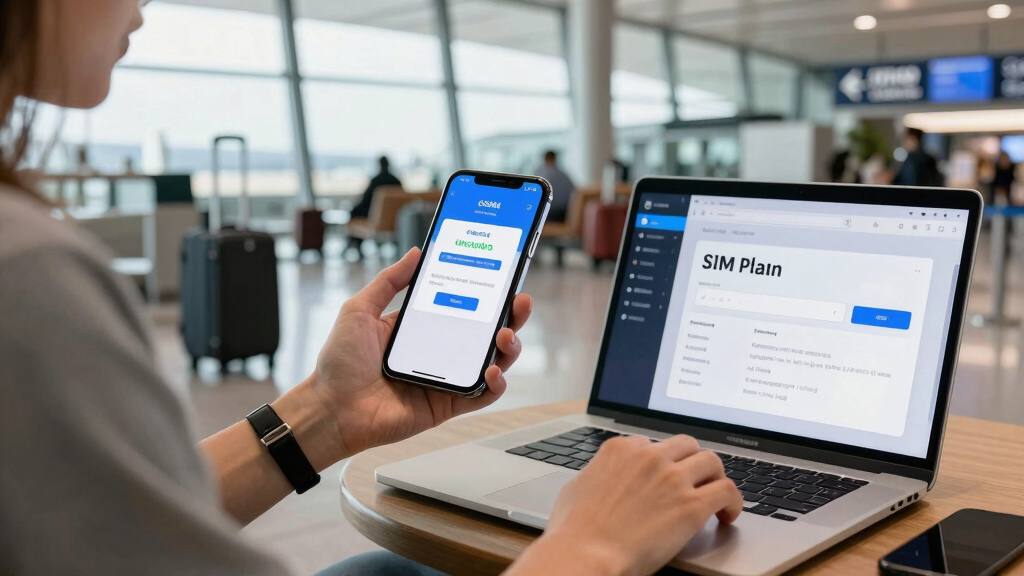
An eSIM (Embedded SIM) is a tiny chip built into your device, replacing the need for a physical SIM card. It lets you activate a cellular plan through a simple QR code or an app, instantly. Imagine standing at a busy airport, scanning a code from your phone, and minutes later, you’re online. That’s the power of an eSIM.
This digital SIM supports multiple profiles, so you can switch between carriers or plans without swapping physical cards. It’s like having a Swiss Army knife for connectivity. For frequent travelers, the speed and convenience can feel almost magic — no more hunting down a local shop or waiting for the mail.
Why does this matter? Because it significantly reduces the time and effort required to get connected in a new country. Instead of searching for a local shop or waiting for a physical SIM to arrive by mail, you can activate your plan remotely. This immediacy enables travelers to start their trip with reliable connectivity from the moment they land, which is crucial for navigation, communication, and emergency situations. The flexibility of switching profiles also means you can adapt to different countries’ plans without multiple SIM swaps, saving time and reducing the risk of losing or damaging physical cards.
eSIM plans for international travel
As an affiliate, we earn on qualifying purchases.
As an affiliate, we earn on qualifying purchases.
Why Your Device Might Limit Your Options — Check Compatibility First
Not every smartphone supports eSIM. Devices like the iPhone XS and later, Google Pixel 3 and newer, and some Samsung Galaxy models do. But older or budget phones often don’t. Before you get excited, verify your device’s specs. An incompatible phone means you’re stuck with a traditional SIM or need to upgrade.
Why is this important? Because choosing an eSIM only makes sense if your device can support it. If not, you might waste time and money on plans that you can’t use. For travelers, this compatibility check is a critical first step to avoid surprises at the last minute, especially when traveling to regions where physical SIMs are the only option. It’s a tradeoff: investing in a device upgrade for the convenience of eSIM can be worthwhile for frequent travelers, but for occasional trips, sticking with traditional SIMs might be more practical.
Additionally, some regions or carriers may have limited eSIM support, which can influence your options depending on your destination. Knowing your device’s capabilities and regional support helps you plan more effectively and avoid being caught unprepared.
As an affiliate, we earn on qualifying purchases.
How to Activate an eSIM in 3 Simple Steps
- Buy an eSIM plan from a provider like Airalo, Truphone, or GigSky before your trip. They send you a QR code or a link.
- Open your device’s settings and scan the QR code or follow the app’s instructions to download the profile.
- Activate the plan, and you’re online within minutes. No physical card needed.
For example, a traveler heading to Italy might buy a regional eSIM plan, scan it upon arrival, and be surfing on the train in ten minutes. It’s fast, simple, and avoids the language barriers of buying local SIMs.
Why does this process matter? Because it streamlines the connection setup, especially in unfamiliar environments. The quick activation means you can start using data immediately after landing, which is vital for navigation, translation apps, or contacting loved ones. It also minimizes the risk of delays or miscommunications that can occur when dealing with foreign vendors or language barriers. This simplicity enables travelers to focus on their trip rather than logistical hassles, making eSIMs a powerful tool for seamless connectivity.
dual SIM smartphones compatible with eSIM
As an affiliate, we earn on qualifying purchases.
As an affiliate, we earn on qualifying purchases.
Local SIM vs eSIM: How Do They Stack Up? The Side-by-Side Comparison
| Feature | eSIM |
|---|---|
| Physical Card | No, digital profile only |
| Setup Time | Minutes, via QR code or app |
| Device Compatibility | Requires compatible device |
| Cost | Varies, often competitive for short-term plans |
| Availability | Global, with growing support |
| Security | Remote management, less risk of loss |
While this table provides a quick overview, understanding the implications behind each feature is crucial. For example, the absence of a physical card reduces the risk of losing or damaging your SIM, but it also means you depend entirely on your device’s software and remote management capabilities. Setup time being just minutes can be a game-changer for last-minute travelers, but only if your device supports eSIM. Availability is expanding, yet some regions still lag behind, which can limit your options. Security-wise, remote management offers convenience but also raises questions about data privacy. Weighing these factors helps you choose the most suitable option based on your travel needs and risk tolerance.
As an affiliate, we earn on qualifying purchases.
When a Physical Local SIM Still Wins
If your device doesn’t support eSIM, or you’re staying long-term in one country, a local SIM might be better. Think of a month-long stay in Bali. Buying a local SIM at the airport can give you cheaper data, better coverage, and no worries about device compatibility.
Plus, some countries still have limited eSIM infrastructure. In places like India or parts of Africa, physical SIMs are the backbone of mobile connectivity. They’re often cheaper for long stays and straightforward to buy at local shops.
Moreover, for travelers who prioritize cost savings and coverage over convenience, local SIMs often provide more flexible plans tailored to regional needs. This can mean better network quality, more data for less money, and fewer restrictions. However, the tradeoff is the inconvenience of physically purchasing and swapping SIM cards, which can be time-consuming and sometimes confusing due to language barriers or unfamiliar procedures. For long-term travelers or those in regions with limited eSIM support, the benefits of local SIMs often outweigh the convenience of eSIMs, especially when cost and coverage are primary concerns.
The Hidden Tradeoffs of eSIMs and Local SIMs
eSIMs are incredibly convenient but come with a few tradeoffs. Not all carriers support eSIM plans everywhere, and some might charge premium prices for international data. Additionally, device incompatibility can force you back to traditional SIMs, which may limit your options. The convenience of instant activation can sometimes come with higher costs or limited regional support, so travelers should weigh these factors carefully.
On the other hand, local SIMs, while often cheaper and offering better regional coverage, require physical handling—finding a store, dealing with language barriers, and physically swapping cards. This process can be inconvenient, especially in unfamiliar environments. Moreover, if you lose your physical SIM, replacing it can be a hassle, involving local regulations or waiting periods. The decision involves balancing the immediate convenience of eSIMs against the potentially lower long-term costs and better coverage of physical SIMs, considering your specific travel itinerary and comfort with local procedures.
Smart Tips to Get the Most from Your Connectivity Choice
- Check your device’s compatibility before booking any plan.
- Compare plans from global eSIM providers for short trips.
- For long stays, research local SIM options — they often beat eSIM prices.
- Keep your eSIM QR code or app credentials safe, just in case.
- Remember: physical SIMs can be lost or damaged, so handle with care.
What’s Next? The Future of Travel Connectivity
The trend is clear: eSIMs are gaining ground fast. Major brands and carriers are adding support, and regulations are easing. Within a few years, most travelers will find eSIMs as the default option. Dual SIM phones, supporting both physical and eSIM, will make switching even easier.
Imagine hopping between multiple countries in a single trip, switching profiles with a tap. That’s the future of hassle-free travel. Meanwhile, local SIMs will keep their role for long stays and regions with limited eSIM support.
Conclusion
Choosing between an eSIM and a local SIM isn’t just about saving a few bucks. It’s about how you want your trip to feel — effortless, worry-free, and connected. Think about your device, your travel style, and how long you’ll stay. The right choice can turn a potential headache into a smooth, seamless experience.
So next time you pack, ask yourself: do I want the speed of an eSIM or the savings of a local SIM? Either way, staying connected is one less thing to worry about when exploring the world’s wonders.
Columbus Day / Indigenous Peoples' Day Picks
long weekend sales
As an affiliate, we earn on qualifying purchases.