TL;DR

Get travel and outdoor gear delivered free with Prime
- Fast, free delivery on millions of items
- Prime Video, Amazon Music and more included
- Member-only deals all year
Power banks are treated as spare lithium batteries, so choosing the right capacity and understanding airline rules is key. The most travel-friendly models balance size, speed, and safety. Always verify specific airline policies before packing.
Imagine your phone dying just as you step off the plane in a new city. Frustrating? Sure. But it’s also avoidable. The secret isn’t just in bringing a power bank — it’s in choosing one that’s safe, portable, and airline-friendly.
In this guide, you’ll learn what makes a power bank travel-ready, how capacity affects your trip, and what safety features to look for. Get ready to charge smarter, not harder.
Choose power banks below 100 Wh to avoid airline approval and security delays.
Prioritize models with USB-C Power Delivery for faster, safer charging of multiple devices.
Always verify safety features and buy from reputable brands to prevent hazards.
Use quality cables rated for high wattage and carry a built-in or compact design for convenience.
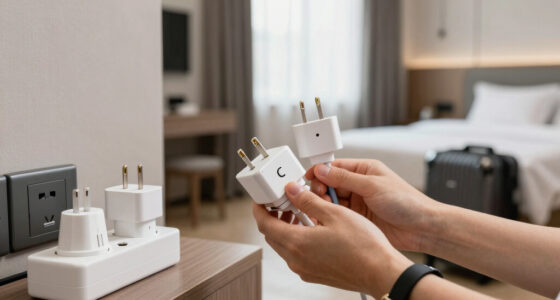
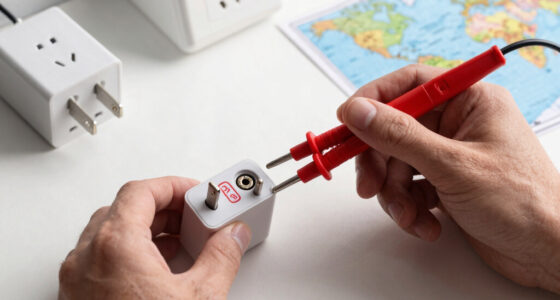
Check your destination’s mains voltage and pack appropriately with plug adapters.
What makes a power bank travel-ready—and why size really matters
Your first question probably is: how big can my power bank be? The answer isn’t just about fit in your bag. It’s about airline rules. Power banks up to 100 Wh usually sail through security without approval. That’s roughly 27,000 mAh at 3.7 V.
For example, a 20,000 mAh bank at 3.7 V equals about 74 Wh. It’s the sweet spot: big enough to power your phone through long days, small enough to carry freely. Anything larger? You might need approval, and some models above 160 Wh are flat-out banned.
Pick a model that balances energy density with portability. Think about your trip length, devices, and whether you want something light to slip into your pocket or a bigger pack for multiple gadgets.
As an affiliate, we earn on qualifying purchases.
How to pick a power bank that charges your devices fast and safe
Fast charging isn’t just a luxury; it’s a game changer, especially when you’re on the move. Look for models with USB-C Power Delivery (PD) and support for PPS protocols. These standards enable higher wattage outputs, drastically reducing charging times and allowing multiple devices to be charged efficiently. This matters because in travel situations, time is limited, and being able to quickly top off your devices means staying connected longer.
- Check the wattage — 18W to 30W is great for most smartphones and small tablets, offering a good balance of speed and safety without stressing your devices.
- Make sure the cable is rated for high wattage — look for certified, electronically marked USB-C cables that support the power output. Using low-quality cables can lead to overheating or damage, jeopardizing your safety and device longevity.
- Match the power bank’s output profile with your device’s needs — a 65 W bank supports most laptops, but not all. Overly high wattage can be unnecessary or even risky if your device isn’t designed to handle it.
- Verify the input wattage — a bank that recharges at 65 W reduces downtime, ensuring your power source is ready when you need it. This is crucial during travel when you might have limited outlets.
Remember, high-wattage banks don’t force your devices to charge faster than they’re designed for. The safety protocols built into quality power banks and cables are what prevent overheating, overcurrent, and potential hazards. Prioritizing safety features and reputable brands means your fast-charging convenience doesn’t come at the expense of safety.
As an affiliate, we earn on qualifying purchases.
The real deal: understanding capacity, charging speed, and how they interact
On paper, a 20,000 mAh bank sounds impressive. But it’s not all about size. The actual usable energy depends on voltage, circuitry, and losses during transfer. These losses can significantly reduce the effective capacity, meaning your device might not get as much charge as the raw mAh suggests. Typically, expect about 20–35% of the advertised capacity to be lost due to these inefficiencies, which include voltage conversion and internal resistance.
This means that a 20,000 mAh bank might effectively provide between 12,000 and 16,000 mAh of usable power. Understanding this is crucial because it influences how many charges you can get from a single bank and whether it will meet your daily needs. If your trip involves multiple days or multiple devices, choosing a bank with higher capacity or faster recharge capabilities becomes more significant.
Charging speed depends on wattage — not just capacity. Think of capacity as the size of a fuel tank, while wattage is how quickly you can fill it. A 30 W charger can replenish your device faster than a 15 W one, provided your device supports fast charging protocols. This interaction determines how quickly you can get back to full power, which is vital during travel when time is limited and delays are inconvenient.
compact lithium battery power bank
As an affiliate, we earn on qualifying purchases.
As an affiliate, we earn on qualifying purchases.
Why cable quality and design features can make or break your trip
The cable you pack matters more than you think. An inexpensive, low-quality cable might not support fast charging or could be unsafe, risking damage to your devices or even personal injury. High-quality cables rated for 5 A or higher with built-in electronics ensure safe, efficient power transfer. Using the right cable prevents overheating, short circuits, and damage, which are critical concerns during travel where quick replacements are not always available.
Travel-friendly power banks often include features that enhance convenience and safety, such as:
- Built-in USB-C cables or integrated plugs for quick, hassle-free setup
- Multiple ports for sharing power among several devices — a valuable feature when traveling with friends or family
- Compact, rugged designs with textured grips that prevent slipping and withstand travel rigors
- Clear Wh and capacity markings that simplify security checks and prevent confusion during inspection
For instance, a sleek bank with a built-in cable reduces the clutter of loose cords and minimizes the risk of losing accessories. Such thoughtful design features streamline security checks and enhance portability, making your travel experience smoother and more efficient.
As an affiliate, we earn on qualifying purchases.
Safety first: what to look for before you buy and how to avoid trouble
Safety isn’t optional. Always check for protections like overcharge, overcurrent, and thermal safeguards. These features prevent overheating, fires, and damage to your devices. Reputable brands use certified batteries and include markings like UN 38.3, which indicates they’ve passed rigorous safety tests. Ignoring these indicators can lead to hazardous situations, especially during travel where quick detection or response isn’t always possible.
Red flags include suspiciously high capacity claims that don’t match the physical size, missing specifications, or physical signs of damage such as heat, swelling, or strange odors. If a power bank feels hot to the touch, looks swollen, or emits a strange smell, stop using it immediately. These are signs of internal failure or safety compromise that can lead to fires or device damage. Prioritize products with clear labels showing voltage, Wh, and capacity — transparency is a key indicator of quality and safety compliance. Investing in certified, well-reviewed products reduces the risk of hazards and ensures reliable performance, especially important when traveling where access to repair or replacement may be limited.
Travel tips: making the most of your power bank abroad
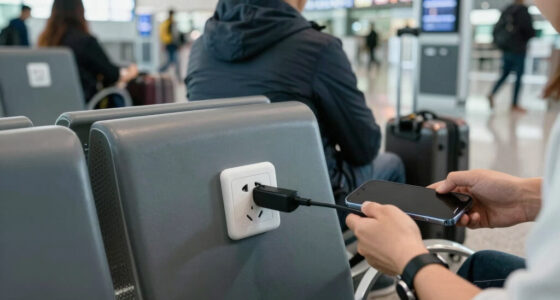
Power banks typically work with standard USB charging, but the wall charger you use to refill them must support the local mains voltage—most support 100–240 V. Using a simple plug adapter is often sufficient for most destinations, but always verify compatibility ahead of time. Ensuring your charger supports the correct voltage prevents damage and ensures efficient recharging during your trip. Keep your power bank in a carry-on bag, as airline regulations generally prohibit large batteries in checked luggage due to fire risk. Always check your airline’s specific Wh limits — usually around 100 Wh without approval — and adhere to these rules to avoid delays or confiscation.
Additionally, extreme temperatures can damage your power bank. Avoid leaving it in hot cars or exposed to direct sunlight, as excessive heat accelerates battery degradation and can create safety hazards. Store your device in a cool, dry place to maintain its longevity and safety. Planning ahead with proper storage and compatible chargers ensures your power bank remains effective and safe throughout your journey.
Latest trends and what’s coming next in travel power banks
USB-C is now king. Almost all new models support higher wattage outputs for laptops and fast-charging smartphones. Standards like USB PD 3.1 push the limits to 240 W, though only a few travel banks reach that right now. This evolution means faster, more versatile charging options, making it easier to keep multiple devices powered on the go. Wireless and magnetic charging are gaining ground for quick, cable-free top-ups, reducing clutter and increasing convenience during travel. Digital displays showing exact battery percentage or estimated runtime are increasingly common, helping you plan your day better by providing real-time information about your power reserves.
Safety regulations are tightening. Expect stricter airline enforcement, especially after incidents involving overheating lithium batteries. This means being more diligent in understanding capacity limits and packaging requirements. Sustainability is also a growing focus; many manufacturers are now adopting recyclable materials and designing for longer cycle life, aligning with environmental concerns. Staying informed about these trends helps travelers select the most efficient, safe, and eco-friendly power solutions for their journeys.
Overall, the future of travel power banks is geared toward higher performance, safety, and sustainability, ensuring travelers can rely on their devices without compromise.
Frequently Asked Questions
Can I take a power bank on a plane?
Yes, most airlines allow power banks in carry-on luggage if they are below 100 Wh. Always verify your airline’s specific rules because some may require approval for larger capacities.
Can I put my power bank in checked luggage?
Typically no. Power banks are usually prohibited in checked baggage because lithium batteries pose fire risks that are hard to detect and manage outside the cabin.
What’s the largest airline-friendly capacity?
About 100 Wh, which equals roughly 27,000 mAh at 3.7 V. Always check the Wh rating printed on the device, as capacity in mAh isn’t enough to determine airline eligibility.
How many power banks can I carry?
Rules vary by airline and country, but generally, you’re limited to two large-capacity banks (around 100 Wh) per person. Smaller ones are usually unlimited, but always check beforehand.
How many times can a power bank charge my phone?
Divide the usable capacity by your phone’s battery size, and account for about 20–35% energy loss. A 10,000 mAh bank can typically fully recharge an average phone 1.5 to 2 times.
Conclusion
Your power bank isn’t just a gadget — it’s a lifeline during travel. Picking the right one means balancing capacity, safety, and convenience. Think of it as packing a tiny energy reserve that keeps your adventures running smoothly.
So next time you’re packing, remember: a smartly chosen power bank is the difference between a dead phone and a seamless trip. Charge smarter, travel farther, and stay connected — wherever your journey takes you.
Halloween Picks
halloween
As an affiliate, we earn on qualifying purchases.