
TL;DR
Open a free Amazon Business account
Business pricing, bulk buying and tax-exempt orders.
Create a free accountAs an affiliate, we earn on qualifying purchases.
Flying east requires your body to advance its internal clock, which is biologically harder than delaying it. As a result, eastward travel usually causes more severe jet lag and longer recovery times, but strategic planning can ease the pain.
Your circadian rhythm naturally prefers delays, making westward travel easier to adapt to.
Eastward flights require your body to *advance* its clock, which is biologically tougher and causes longer jet lag.
Adjust your sleep schedule before travel and use light therapy to speed up eastward adaptation.
The longer the time zone crossing eastward, the more challenging and longer-lasting jet lag tends to be.
Younger travelers generally recover faster from jet lag; older travelers need extra planning.
Why Eastward Flights Wreak Havoc on Your Body
Eastward travel forces your internal clock to *jump ahead*, which your body resists more fiercely than delaying. Your circadian rhythm, clocked at about 24.2 hours, prefers to delay rather than advance. This resistance is rooted in our evolutionary history—our bodies are naturally inclined to extend activity and sleep periods rather than shorten them, which historically helped us adapt to seasonal changes and avoid abrupt shifts. When you fly east, your body has to rapidly *advance* its internal time, disrupting this natural preference and leading to symptoms like fatigue, mood swings, and cognitive fog. The difficulty in phase-advancing means your internal clock struggles to align with the new local time, causing a mismatch that manifests as jet lag. Understanding this biological hurdle highlights why eastward travel can be more disruptive and why strategies that support phase advances—like light exposure and melatonin—are crucial for smoother adjustment.
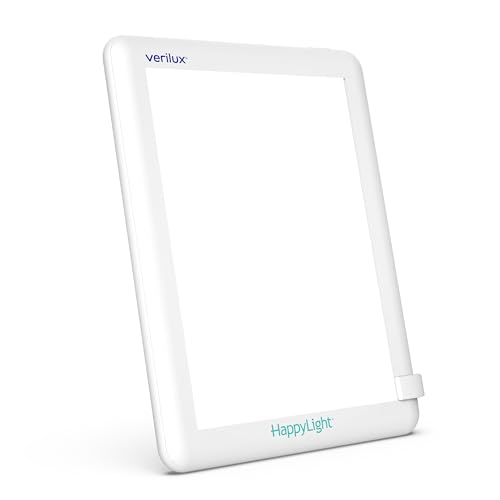
Verilux HappyLight Lucent – One-Touch Light Therapy Lamp with 10,000 Lux, UV-Free, LED Bright White Light & Detachable Stand for Boosting Mood & Improving Sleep
- One-Button Operation: Easy to use light therapy lamp
- High Lux Brightness: Provides up to 10,000 lux of UV-free light
- Full-Spectrum Light: Delivers natural, flicker-free, glare-free light
As an affiliate, we earn on qualifying purchases.
As an affiliate, we earn on qualifying purchases.
How Flying West Lets Your Body Catch Up Faster
Flying west, on the other hand, *delays* your internal clock, which your body finds inherently easier to adapt to because it aligns with our natural tendency to extend the day. This phase delay allows the circadian rhythm to lengthen gradually, which is a process our ancestors likely relied on to adapt to seasonal variations in daylight. Because delaying is biologically more comfortable, most travelers experience quicker adjustment—often within a day or two—especially if they utilize strategic techniques like light therapy and sleep scheduling. This smoother adaptation reduces the severity of jet lag symptoms and shortens the recovery period. Recognizing this difference helps travelers plan their activities and interventions more effectively, emphasizing the importance of supporting phase delays with light exposure in the evening and avoiding morning light when traveling west.

Nature's Bounty Melatonin, 100% Drug Free Sleep Aid, Promotes Relaxation and Sleep Health, 1mg, 180 Tablets
- Supports Natural Sleep Cycle: Promotes tranquil, restful sleep
- Enhances Sleep Quality: Helps improve overall rest quality
- Aids Faster Sleep Onset: Helps you fall asleep quicker and stay asleep longer
As an affiliate, we earn on qualifying purchases.
As an affiliate, we earn on qualifying purchases.
East vs West: The Clear Comparison Table
| Aspect | Flying East |
|---|---|
| Difficulty | More challenging — phase advance required |
| Jet Lag Severity | Stronger, lasts longer due to biological resistance to phase advances |
| Adjustment Time | Typically 1 day per time zone, but can extend longer depending on individual resilience and strategies used |
| Symptoms | Fatigue, sleep disturbances, mood swings, cognitive fog |
| Flying West | Less challenging — phase delay |
| Jet Lag Severity | Less intense, shorter duration because delaying aligns better with natural circadian preferences |
| Adjustment Time | Often within a day or two, especially with supportive interventions |
| Symptoms | Less severe, easier to manage, quicker recovery |

Fygrip 3D Eye Mask Sleep Mask for Men & Women, 100% Pressure-Free & Light Block-Out Eye Mask for Sleep with Easy Adjustable Strap, Night Eye Cover for Travel, Black
- Pressure-Free Design: Patented 3D contour with wide eye pockets
- Complete Light Block: Ergonomic outline with soft barrier
- Comfortable Material: Premium fabric and memory foam
As an affiliate, we earn on qualifying purchases.
As an affiliate, we earn on qualifying purchases.
Practical Tips to Tackle Eastward Jet Lag
- Adjust your sleep schedule a few days before flying east. Gradually go to bed an hour earlier each night to help your body prepare for the phase advance.
- Use bright light strategically—exposing yourself to morning light at your destination can help your internal clock move forward more easily, supporting the phase advance process.
- Take melatonin in the evening of your new destination time zone. Melatonin acts as a signal for your body to prepare for sleep, facilitating the phase shift needed.
- Stay hydrated and avoid alcohol or caffeine close to bedtime, as dehydration and stimulants can worsen jet lag symptoms and interfere with your body’s adjustment efforts.
- If possible, arrive well-rested and plan light activities on your first day to minimize stress and allow your circadian system to recalibrate gradually.
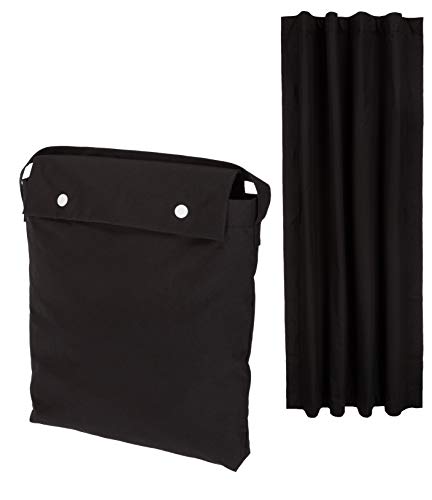
Amazon Basics Portable Blackout Curtain Shade with Suction Cups, Noise Reducing, Energy Saving, 50" W x 78"L, Black, 1-Pack
- Energy Saving: Blocks sunlight for insulation
- Noise Reduction: Reduces outside noise
- Customizable Fit: Adjustable with Velcro tabs
As an affiliate, we earn on qualifying purchases.
As an affiliate, we earn on qualifying purchases.
Why Your Age and Health Matter When Adjusting
Younger travelers tend to adapt faster to eastward travel, often bouncing back in a day or two because their circadian systems are more flexible. Conversely, older travelers—especially those over 50—may find phase advances more taxing, with jet lag symptoms lingering longer due to decreased circadian plasticity. A healthy lifestyle, including regular sleep, proper nutrition, and physical activity, can bolster your resilience. Being mindful of these factors allows for tailored strategies, such as earlier adjustments and extended rest periods, which can significantly ease the transition regardless of age.
Emerging Ways to Beat the Jet Lag Battle
New technologies like wearable light therapy devices are showing promise by delivering timed bursts of light tailored to your travel itinerary, helping your body adapt more quickly—particularly for eastward trips where phase advances are needed. Additionally, personalized circadian coaching apps analyze your sleep patterns and suggest optimal light exposure and activity schedules to accelerate adjustment. Pharmacological aids, such as melatonin supplements and other circadian modulators, are also being studied for their potential to ease jet lag. While these innovations are promising, they work best when combined with proven strategies like sleep scheduling and light management, emphasizing that planning remains your most reliable tool.
Understanding and leveraging these emerging tools can give travelers a significant advantage, but they should complement, not replace, foundational practices rooted in biology.
Frequently Asked Questions
Why does flying east make me feel worse than flying west?
Because eastward travel requires your body to *advance* its circadian rhythm, which it naturally resists more than delaying. This causes more intense jet lag symptoms.How long does jet lag last after flying east compared to west?
Eastward jet lag often lasts longer—up to several days—while westward travel typically allows quicker adjustment, often within one or two days.What’s the best way to minimize jet lag when flying east?
Adjust your sleep schedule beforehand, use morning light to help your body phase-advance, take melatonin in the evening, stay hydrated, and get plenty of sunlight upon arrival.Are there new tools to help with eastward jet lag?
Yes. Wearable light therapy devices and personalized circadian guidance are emerging options that can accelerate your adjustment process.Does age affect how I handle jet lag?
Definitely. Younger travelers tend to adapt faster, while older travelers may need more time and careful planning to recover from eastward trips.Conclusion
Understanding that your body resists phase advances explains why eastward flights punch harder. But with a few strategic moves—like pre-travel sleep shifts and light exposure—you can soften the blow. Next time you fly east, remember: your body’s clock is stubborn, but not unchangeable.Back to school Picks
back to school
As an affiliate, we earn on qualifying purchases.