TL;DR
Getting reliable internet abroad is about choosing the right devices—like hotspots or smartphones—and understanding network options such as 4G, 5G, or satellite. Planning ahead with the right plan and security measures ensures you stay connected no matter where you go.
Use unlocked devices with local SIM cards or eSIMs to cut costs and improve coverage.
Match your network tech (4G, 5G, satellite) to your destination for the best balance of speed and reach.
Prepaid plans and local SIMs often save money compared to international roaming.
Always secure your connection with a VPN, especially on public Wi-Fi.
Carry portable power banks and optimize device settings to keep your internet devices running all day.
Choose the Right Portable Internet Devices for Travel
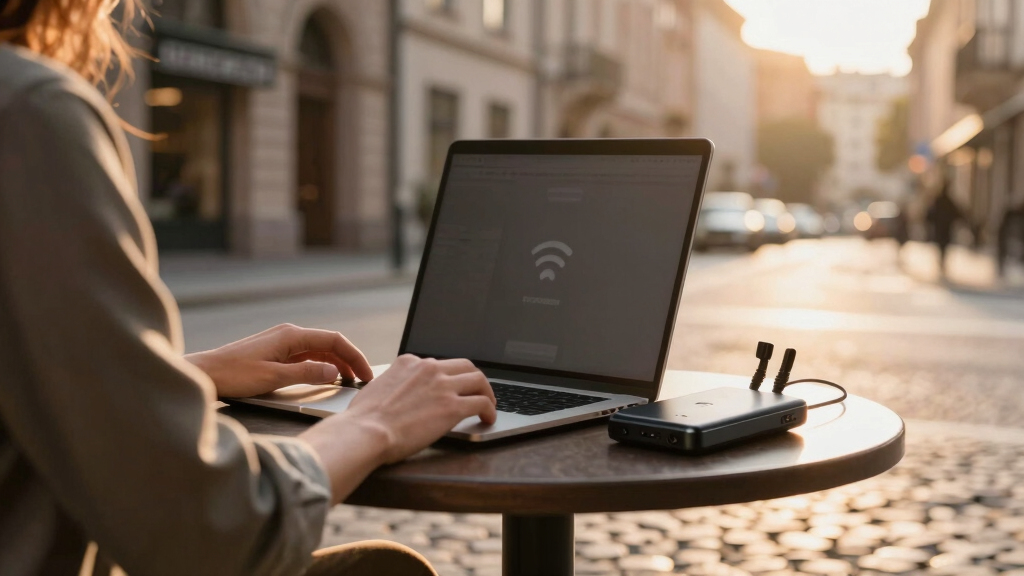
Reliable internet on the road starts with the right device. Mobile hotspots (MiFi devices) are compact, battery-powered boxes that create a Wi-Fi network using cellular data. They’re perfect for sharing with multiple devices in cafes or airports.
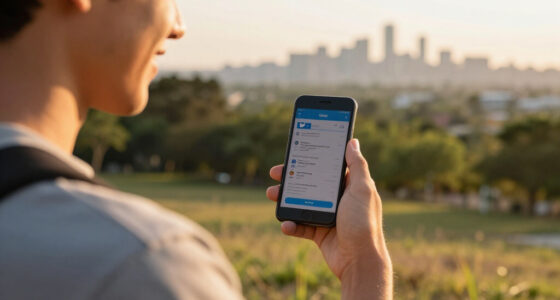
Using your smartphone as a hotspot is another flexible option. Just enable tethering, and your phone broadcasts internet to your laptop or tablet.
Lastly, USB modems (dongles) plug directly into your laptop, providing a dedicated cellular connection. For frequent travelers, having one or two of these options ensures you’re not left offline when one fails.
For example, a digital nomad working in rural Italy found their mobile hotspot kept them connected where hotel Wi-Fi dropped out, saving hours of frustration.

RoamWiFi Mobile Hotspot Pocket WiFi, Portable WiFi No SIM Card Needed, MiFi
- Global Coverage: Connects in 170+ countries worldwide
- No SIM Needed: Uses built-in 1GB data plan
- Supports 10 Devices: Connects multiple devices simultaneously
As an affiliate, we earn on qualifying purchases.
As an affiliate, we earn on qualifying purchases.
Pick the Best Network Tech for Your Trip
When it comes to network tech, 4G LTE remains the most widely available and reliable for most travel destinations. Its extensive coverage ensures you can stay connected in urban areas and many rural locations, making it a practical choice for general travel. However, relying solely on 4G can mean experiencing slower speeds or congestion during peak times, which can impact video calls or large file uploads.
For faster speeds and better latency, especially in urban or technology-forward regions, 5G offers significant advantages. It can support high-definition streaming, real-time gaming, and quick downloads, but its availability is still growing and is often limited to major cities. Choosing 5G when available can future-proof your connectivity but may come with higher costs or limited coverage in rural areas.
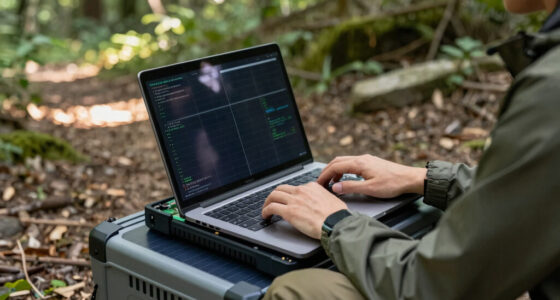
Satellite internet, like Starlink, is a game-changer for remote areas. It offers connectivity where cellular networks don’t reach, but it comes with tradeoffs — higher latency, increased costs, and the need for specialized equipment. Understanding these tech options helps you weigh the benefits and limitations based on your destination and needs, ensuring you’re prepared for both urban and remote adventures.

Samsung Galaxy A16 4G LTE (128GB + 4GB) International Model SM-A165F/DS Factory Unlocked, 6.7", Dual SIM, 50MP Triple Camera (Case Bundle), Black
- Network Compatibility: Supports GSM networks worldwide, US T-Mobile only
- Third-Party Device Compatibility: Varies with device and accessory support
- Camera Specifications: 50MP main, macro 2MP, f/1.8 aperture
As an affiliate, we earn on qualifying purchases.
As an affiliate, we earn on qualifying purchases.
Compare Coverage and Compatibility Before You Book
| Factor | Cellular (4G/5G) | Satellite |
|---|---|---|
| Coverage | Widespread in cities, some rural areas | Remote, rural, hard-to-reach places |
| Speed | Fast, especially with 5G | Higher latency, slower speeds |
| Cost | Affordable with plans; roaming charges vary | Higher upfront and usage costs |
| Compatibility | Needs unlocked device, local SIM or eSIM | Usually needs specialized equipment like Starlink dish |
Always verify your device is unlocked and compatible with local carriers. Coverage maps are essential because they reveal where your device will work reliably — a crucial consideration if you plan to visit rural areas, islands, or mountainous regions where coverage can be patchy. Recognizing the limitations and strengths of each network type is vital because it directly impacts your ability to stay connected when it matters most. For instance, relying solely on cellular networks in remote areas might leave you offline if coverage is sparse, while satellite can fill this gap but at a higher cost and setup effort. Understanding these tradeoffs allows you to plan smarter, ensuring your devices work seamlessly in diverse environments. This knowledge helps you avoid surprises, so your connection remains stable during critical moments, whether for work, navigation, or emergencies. It’s about matching your tech to your itinerary, understanding that tradeoffs in speed, coverage, and cost are part of the planning process and can significantly influence your travel experience.

LTE USB Modem, 300Mbps High Speed Portable 4G Router With Sim Card Slot for Travel Hotspot Mini Unlocked Dongle
- Compact and Portable Design: Ideal for travel, gatherings, and outdoor use
- Wide System Compatibility: Supports Windows, Mac OS, Linux, and firewalls
- High-Speed LTE Connectivity: Provides stable 4G LTE internet up to 300Mbps
As an affiliate, we earn on qualifying purchases.
As an affiliate, we earn on qualifying purchases.
Frequently Asked Questions
What is the best portable internet device for international travel?
Many travelers find unlocked mobile hotspots or smartphones with tethering capabilities most versatile. They work across multiple countries and can be paired with local SIMs for better coverage and lower costs.How can I get reliable internet in remote or rural areas?
Satellite internet, like Starlink, is gaining ground and offers connectivity where cellular signals are weak or absent. It’s a vital solution for remote locations, but keep in mind that it often involves higher costs and requires specialized equipment. This means you need to consider whether the benefits outweigh the costs, especially if your trip involves multiple remote stops or critical work. Satellite can be a reliable backup or primary option, but it’s essential to understand that setup complexity and expense might limit its practicality for casual travel. Weighing these factors helps determine if satellite internet is the right investment for your specific needs, ensuring you stay connected when traditional networks fall short.Are eSIMs better than physical SIM cards?
eSIMs provide the convenience of switching plans or carriers digitally, without swapping physical cards. This flexibility is especially advantageous for frequent travelers or those visiting multiple countries, as it simplifies switching between local providers and reduces the risk of losing or damaging physical SIMs. However, ensure your device supports eSIM technology and that local carriers offer compatible plans. The main tradeoff is that eSIMs depend on device compatibility and carrier support, which might limit options in some regions. This means you need to verify coverage and plan availability beforehand. Overall, eSIMs can streamline your travel experience, but understanding their limitations and ensuring your device is compatible are crucial steps to maximize their benefits.How much does portable internet cost?
Costs depend on the device, plan, and destination. Prepaid and local SIMs typically offer the best value, with plans starting as low as $10 for a few gigs. However, high-bandwidth needs like streaming or large uploads can increase monthly costs significantly. It’s important to evaluate your typical data usage and choose plans accordingly. For example, if you plan to stream videos daily or upload large files, opting for a plan with higher data limits or unlimited data might be more cost-effective in the long run. Balancing your data needs with the costs involved helps avoid unexpected charges and ensures you get the best value for your travel budget.Can I use my home internet abroad?
Usually not. Home internet relies on fixed infrastructure and isn’t designed for international use. To stay connected abroad, you’ll need local SIM cards, international plans, or portable devices like hotspots that operate on cellular networks. Planning ahead by securing a suitable plan or device ensures you avoid costly roaming fees, which can skyrocket if you try to use your home internet or fixed connection in foreign countries. Additionally, home internet setups are typically location-specific, so they won’t work in hotels, cafes, or remote areas. Using portable options designed for travel guarantees you maintain reliable connectivity wherever your journey takes you.
STARLINK Gen 3 Standard Satellite Internet Setup – Advanced Dish – Wi-Fi 6 Router + 150FT Extension Cable – High-Speed, Low-Latency Connection
- Gen 3 Satellite Dish: Enhanced signal strength and speed
- Wi-Fi 6 Router: Faster speeds and higher device capacity
- 150FT Extension Cable: Flexible installation in large or hard-to-reach areas
As an affiliate, we earn on qualifying purchases.
As an affiliate, we earn on qualifying purchases.